Physical Address
304 North Cardinal St.
Dorchester Center, MA 02124
Physical Address
304 North Cardinal St.
Dorchester Center, MA 02124

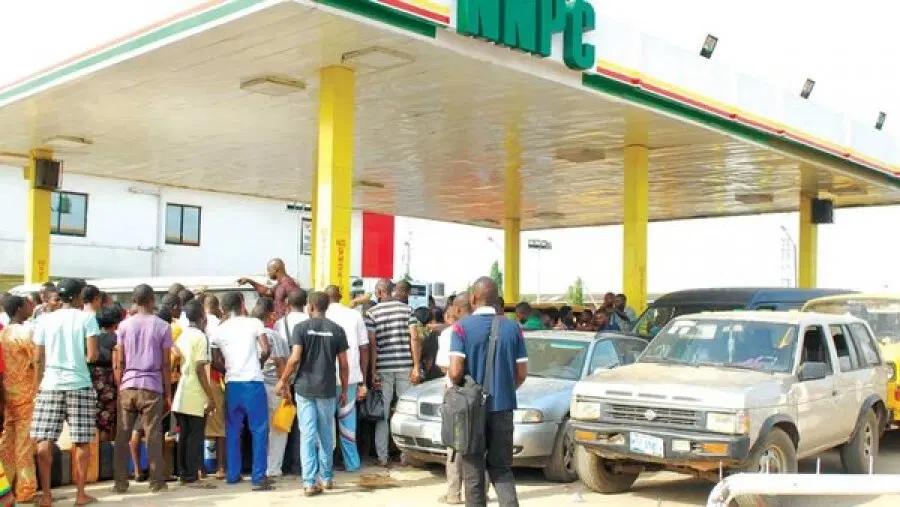
Global crude oil prices have climbed above $70 per barrel, raising fears of another petrol price increase in Nigeria and fresh pressure on households and businesses.
Barely days after Nigerians adjusted to higher petrol pump prices, fresh developments on the international oil market suggest that another increase may be looming. Global crude oil prices have continued their upward march, raising concerns that the recent fuel hike may not be the last consumers will experience in the coming weeks.
Nigeria’s Bonny Light crude, the country’s flagship blend, surged to $70.30 per barrel from about $64 last week, marking an increase of roughly 10 per cent and the highest level recorded this year. The rally is not isolated. Brent crude, the global benchmark, climbed to $70.15 per barrel from $66, while Murban crude rose to $68.01 per barrel from $65.20. Together, these movements signal renewed volatility in the global oil market.
This rise comes just days after petrol stations across Nigeria raised pump prices to an average of about ₦850 per litre, up from around ₦750 earlier in the week. Marketers attributed that increase to rising crude oil prices, arguing that crude is the primary input cost in the production and supply of petrol.
Both the Dangote Refinery and independent oil marketers have repeatedly stressed that global crude prices are the single most important determinant of fuel costs. However, the scale of recent increases has raised questions. While crude oil prices rose by about 6.2 per cent during the period under review, retail petrol prices jumped by roughly 14.3 per cent. This disparity has sparked debate over pricing practices within Nigeria’s deregulated downstream sector.
The effect of rising crude prices has already filtered through the supply chain. The gantry price of petrol at the Dangote Refinery increased by 14.3 per cent, climbing from ₦699 per litre to ₦799 per litre. Once refinery prices move, retail prices typically follow. As expected, filling stations in Abuja, Lagos, and several other cities quickly adjusted their pump prices.
NNPC Retail outlets raised petrol prices to ₦835 per litre from ₦815, while some independent marketers implemented even steeper hikes. AYM Shafa, for instance, moved its pump price from ₦815 to ₦900 per litre, intensifying the burden on motorists and transport operators.
Industry players insist that these adjustments are unavoidable. According to the National Public Relations Officer of the Independent Marketers Association of Nigeria, Chinedu Ukadike, the price increases reflect realities in the global oil market. He explained that once refiners raise their prices due to higher crude costs, marketers are compelled to adjust retail prices to remain in business.
Ukadike also addressed public concerns about why pump prices rise even when marketers still have older stock purchased at lower prices. He noted that crude oil prices had been rising for days before the retail adjustments, and that replacing sold stock now requires buying at higher rates. In his words, marketers must price products in a way that allows them to restock without running at a loss.
While petrol prices remained largely unchanged at filling stations yesterday, diesel prices recorded fresh increases at several depots. Diesel sold at ₦930 per litre at Emadeb, up from ₦910, while Ibeto raised its price to ₦950 from ₦907. Integrated followed a similar trend, selling at ₦950 compared to ₦910 the previous day. These movements reinforce fears that broader energy costs are climbing again.
The renewed surge in crude prices has been linked to developments outside Nigeria’s control. One major factor is a significant drop in United States crude inventories. According to the U.S. Energy Information Administration, commercial crude stockpiles fell by 2.3 million barrels in the week ending January 24, 2026, bringing total inventories to about 423.8 million barrels. This level is roughly three per cent below the five-year average for this time of year, tightening supply expectations.
Geopolitical tensions have also played a major role. Markets are increasingly nervous about the possibility of a U.S. military strike on Iran, the fourth-largest producer in the Organisation of Petroleum Exporting Countries. Analysts warn that any disruption to Iran’s output could remove as much as 3.2 million barrels per day from global supply, a scenario that would push prices even higher.
Oil prices began reacting sharply after U.S. President Donald Trump issued strong warnings, claiming that a “massive armada” was heading towards Iran. Reports suggesting that U.S. warships had moved into the Middle East from the Asia-Pacific region further fuelled market anxiety, even as officials stopped short of confirming imminent military action.
For Nigeria, the implications are complex. On one hand, higher crude oil prices are positive for government revenue. With prices trading above the budget benchmark of $64 per barrel, sustained increases could generate excess revenue, strengthen foreign reserves, and offer some support to the naira.
On the other hand, the impact on ordinary Nigerians is likely to be harsh. Petroleum economist Professor Wumi Iledare warned that the current price rally is driven by geopolitical tension rather than increased demand, making it particularly unstable. He noted that higher crude prices almost always translate into higher petrol and diesel prices in Nigeria, especially given the country’s continued dependence on imports.
According to Iledare, rising fuel costs will increase transportation expenses, push up the prices of goods and services, and place additional strain on household budgets already stretched by inflation and weak purchasing power.
Dr. Muda Yusuf, Chief Executive Officer of the Centre for the Promotion of Private Enterprise, described the situation as a double-edged sword. While government finances may benefit from higher crude prices, deregulation means consumers bear the full burden of rising energy costs. Yusuf warned that petrol, diesel, and even cooking gas prices could all increase, worsening inflationary pressures.
He added that small and medium-sized businesses would be hit particularly hard. Many rely heavily on diesel due to unreliable electricity supply, and higher fuel costs translate directly into higher production expenses and reduced competitiveness.
Energy consultant Henry Adigun echoed similar concerns, stating that higher crude prices inevitably lead to higher petrol prices because crude oil is the primary raw material in fuel production. He also pointed to foreign exchange volatility as a key factor explaining why pump prices often rise faster than crude prices.
According to Adigun, the current pump price is already distorted by intense competition between fuel importers and the Dangote Refinery. As market forces reassert themselves, prices are likely to adjust upward to reflect true costs.
From a broader economic perspective, experts warn of widespread knock-on effects. Higher fuel prices raise transportation and logistics costs, making construction materials, food items, and manufactured goods more expensive. These increases ultimately feed into inflation, eroding purchasing power and lowering living standards.
As global oil markets remain tense, Nigerians may need to brace for further adjustments at the pump. While higher crude prices offer some fiscal relief for government, the immediate reality for households and businesses is rising costs and deeper economic pressure. Unless global tensions ease or domestic supply dynamics improve significantly, fuel prices may remain on an upward trajectory, with far-reaching consequences for the economy and everyday life.
Join African360 WhatsApp Channel for more News update: https://whatsapp.com/channel/0029Vb7Oc6nGk1FpdCN0xn44