

Why Prince Harry and Celebrities Are Suing the Publisher of the Daily Mail
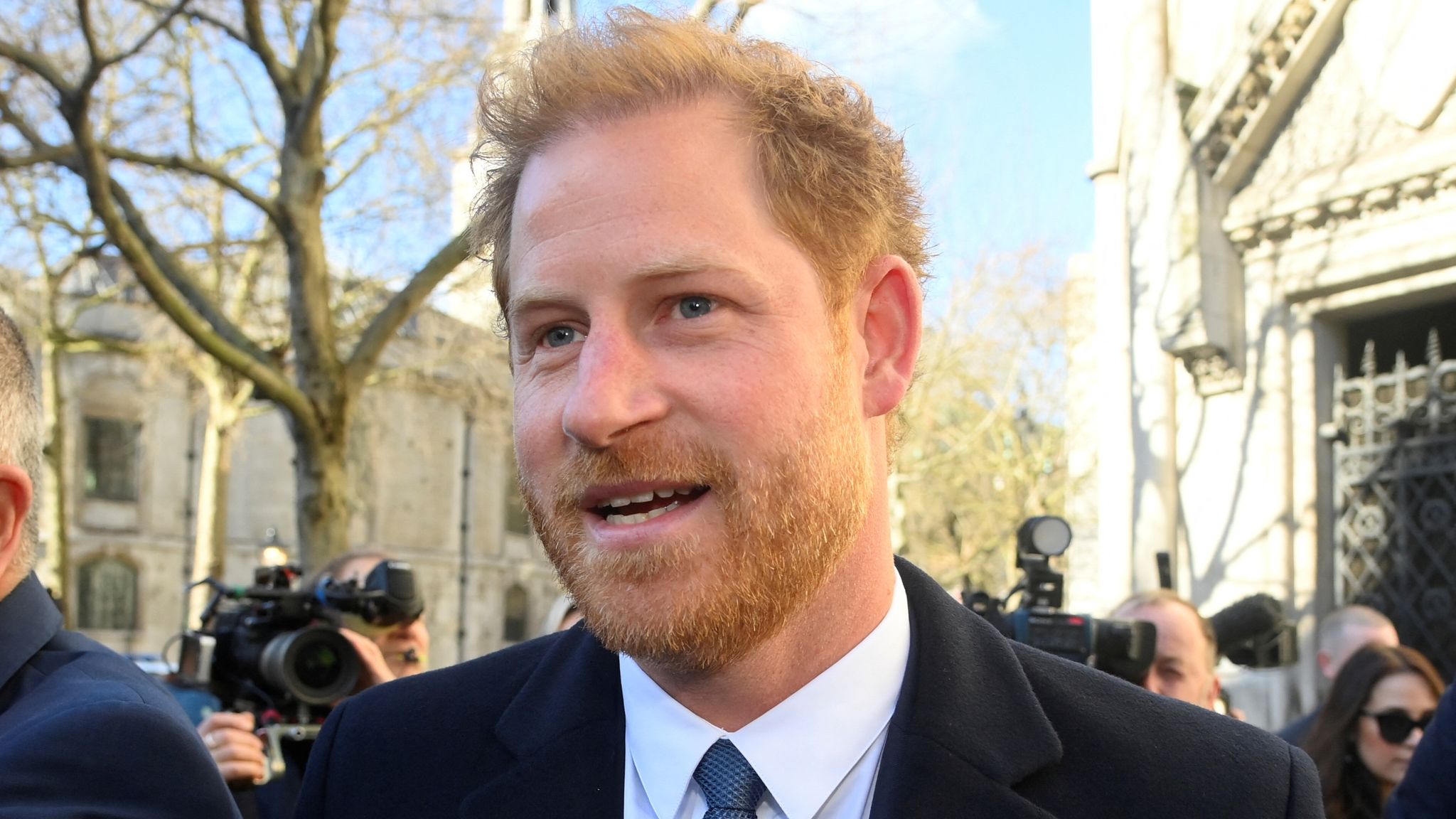
Prince Harry, Sir Elton John, Elizabeth Hurley and others are suing Associated Newspapers over alleged phone hacking, bugging, and unlawful data gathering spanning three decades.
Why Prince Harry and Other Celebrities Are Suing a Major UK Media Group
Prince Harry is among a group of high-profile figures taking legal action against one of Britain’s largest newspaper publishers over allegations of unlawful information gathering.
The Duke of Sussex has joined forces with several well-known public figures—including Sir Elton John, Elizabeth Hurley, and Sadie Frost—in a lawsuit against Associated Newspapers Limited (ANL), the company behind the Daily Mail and Mail on Sunday.
The claimants allege that ANL engaged in serious breaches of privacy over nearly three decades, dating back as far as 1993 and continuing until 2011. According to court filings, the group accuses the publisher of hiring private investigators to carry out illegal activities, including:
- Phone tapping and voicemail interception
- Bugging of homes and vehicles
- Obtaining private and medical records
- Gaining access to confidential financial information
- Using deception to extract personal data
The celebrities argue that these practices were part of a systematic effort to obtain stories through unlawful means, without the knowledge or consent of those targeted.
Prince Harry and the other claimants say they were left unaware for years that their personal lives had allegedly been monitored. They contend that the methods used went far beyond standard journalism and amounted to sustained invasions of privacy.
The case forms part of a broader reckoning within Britain’s media industry, following previous scandals involving phone hacking and illegal surveillance by tabloid newspapers in the 2000s. While several publishers have since faced legal consequences and reforms, the claimants argue that ANL’s conduct has not been fully examined in court.
ANL has consistently denied wrongdoing in similar past cases, describing such claims as unfounded and insisting that its journalism has been conducted lawfully. The company is expected to contest the allegations vigorously.
For Prince Harry, the lawsuit aligns with his long-running campaign against what he describes as intrusive and unethical media practices. He has repeatedly said that press behaviour played a significant role in the pressures faced by his family, including his late mother, Princess Diana.
The outcome of the case could have far-reaching implications for press accountability in the UK—particularly if the court finds that unlawful information gathering was widespread and institutional.
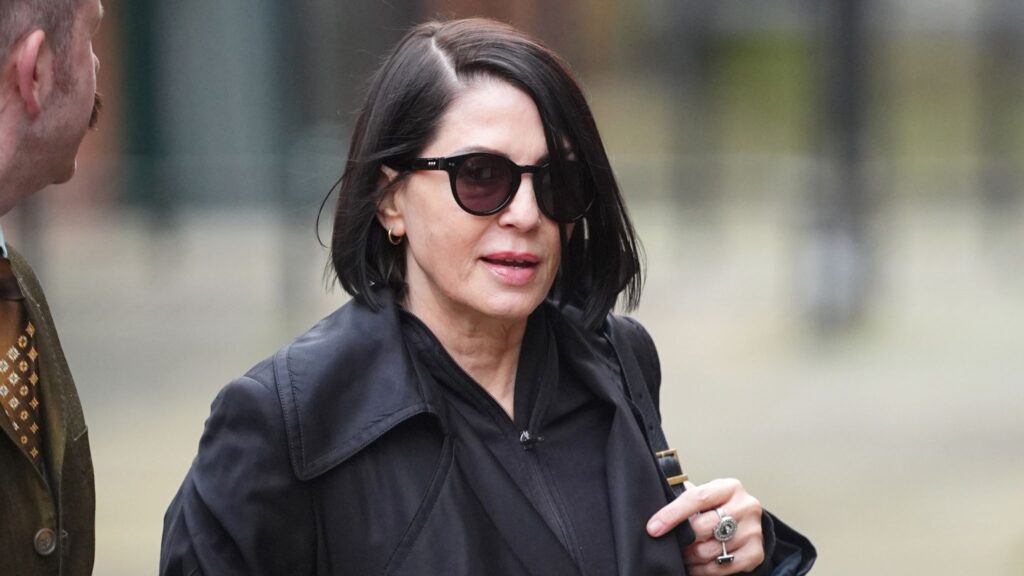
Sadie Frost: PA
Inside Prince Harry’s High-Stakes Court Showdown With UK Media Giant
Prince Harry’s long-running legal battle against one of Britain’s biggest media groups has entered a dramatic new phase, with a nine-week trial now underway at London’s High Court.
The Duke of Sussex is expected to spend a full day on the witness stand on Thursday, according to a draft timetable. Other high-profile claimants—including Sir Elton John, Elizabeth Hurley, and Baroness Doreen Lawrence—are also scheduled to give evidence during the proceedings.
The case, first launched in 2022, is one of several lawsuits Prince Harry has filed since 2019 against media organisations over alleged breaches of privacy, unlawful practices, and the publication of false stories.
At its heart, the lawsuit accuses Associated Newspapers Limited (ANL)—publisher of the Daily Mail, The Mail on Sunday, and MailOnline—of orchestrating illegal information-gathering operations over nearly three decades.
What Is the Case About?
The claimants allege that between 1993 and 2011, ANL engaged in widespread unlawful practices, including:
- Tapping private phone calls
- Bugging homes and vehicles
- Accessing medical records through deception
- Obtaining financial and banking information illegally
- Paying police officers for confidential information
According to court filings, the publisher is accused of hiring private investigators to plant listening devices inside homes and cars, secretly record live telephone calls, and impersonate individuals to extract sensitive data from hospitals and clinics.
When the case was filed in 2022, lawyers for the group said the claimants had uncovered “highly distressing” evidence showing they were victims of “abhorrent criminal activity” and “gross breaches of privacy.”
ANL has strongly denied the allegations, branding them “preposterous smears” and describing the lawsuit as “a fishing expedition” by the claimants and their lawyers.
Who Else Is Involved?
Prince Harry is one of seven claimants in the group action. Others include:
- Sir Elton John
- Elizabeth Hurley
- Sadie Frost
- Baroness Doreen Lawrence
All allege they were targeted by unlawful surveillance and information-gathering tactics.
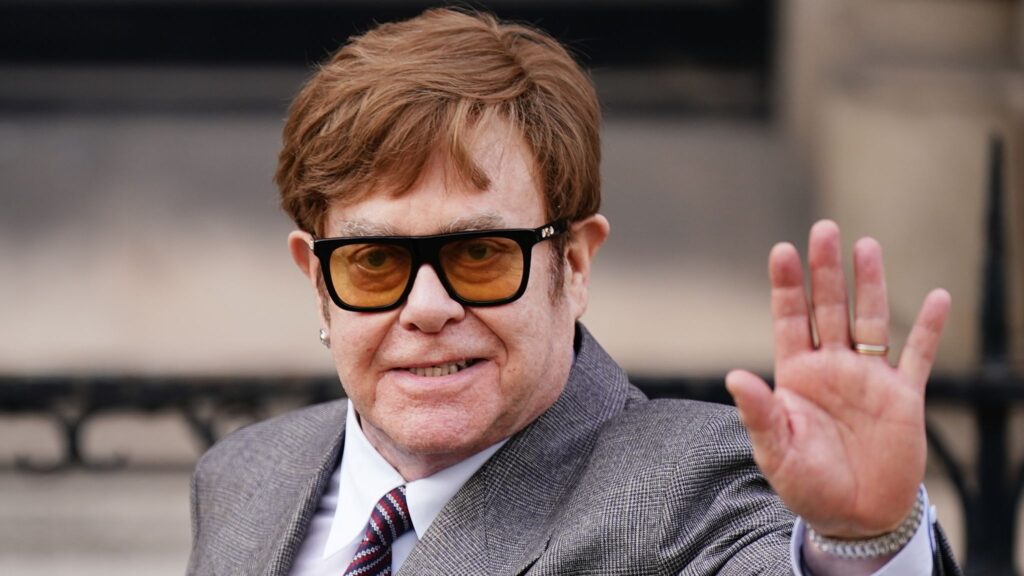
Sir Elton John
They are represented by David Sherborne, a prominent media lawyer who previously acted for Johnny Depp in his UK libel case against The Sun and for Coleen Rooney in the high-profile “Wagatha Christie” trial.
Lawyers for ANL argue that the claims fall outside the statute of limitations, which generally requires privacy cases to be brought within six years. They contend that the claimants either knew—or could reasonably have discovered—the alleged wrongdoing before October 2016.
The publisher also argues that parts of the case breach restrictions stemming from Lord Justice Leveson’s 2011 inquiry into media standards.
Why the Case Is Going to Trial
Witness statements from all seven claimants have been released. In his statement, Prince Harry said he is pursuing the case “because I love my country” and remains “deeply concerned” about what he described as the publisher’s “unchecked power, influence and criminality.”
On 10 November 2023, Mr Justice Nicklin ruled that the case should proceed to trial, stating that ANL had failed to deliver a “knockout blow” to any of the claims.
The outcome could have major implications for press accountability in the UK—particularly if the court finds that unlawful practices were systemic rather than isolated.