Physical Address
304 North Cardinal St.
Dorchester Center, MA 02124
Physical Address
304 North Cardinal St.
Dorchester Center, MA 02124

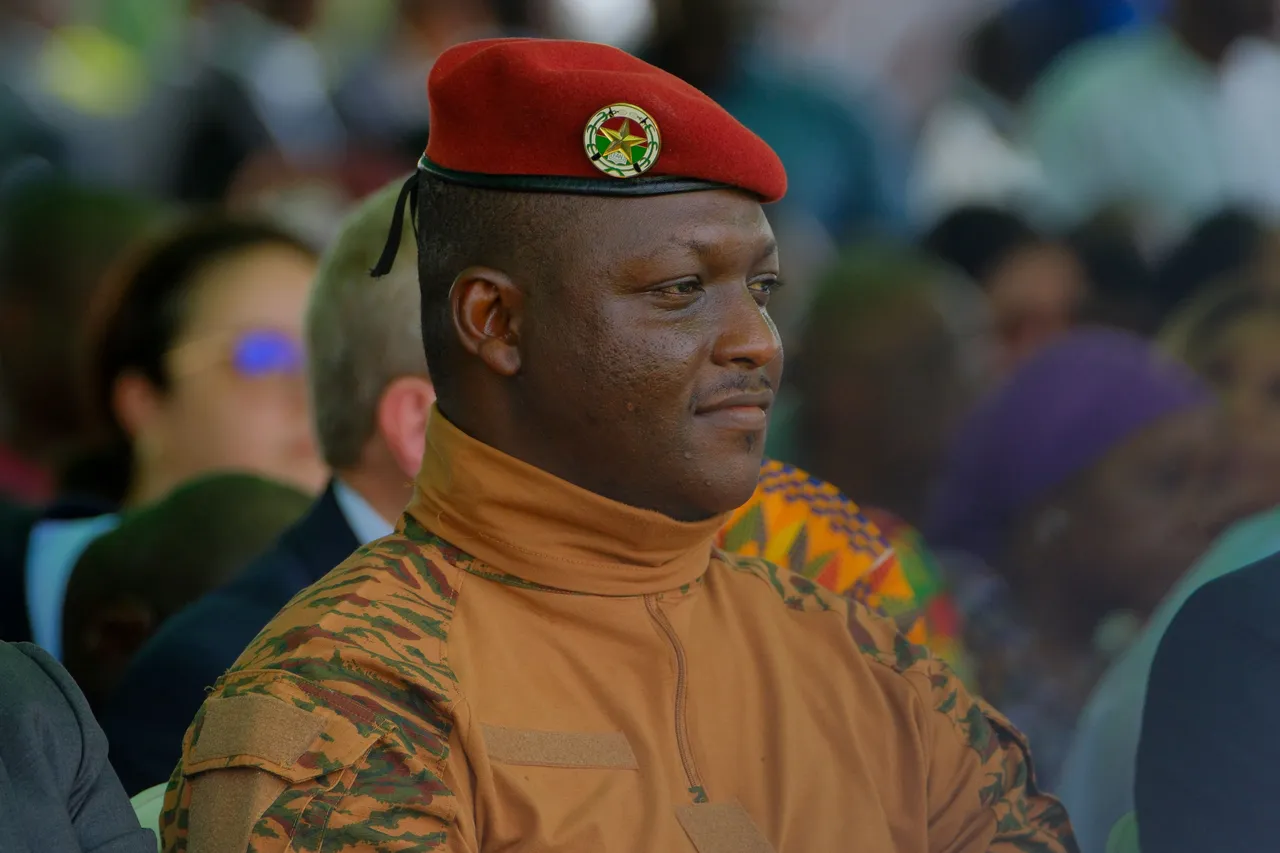
Burkina Faso’s military government has banned all political parties, deepening concerns over authoritarian rule, democracy, and the country’s political future.
Burkina Faso’s military government has taken another decisive step toward consolidating power with the announcement of a nationwide ban on all political parties. The decision, confirmed by the country’s Interior Minister, marks a dramatic escalation in the junta’s efforts to reshape the political landscape following the 2022 military takeover led by Captain Ibrahim Traoré.
Political party activities had already been suspended since the coup, but the new decree goes much further. It effectively dissolves all parties, halts their operations entirely, and transfers their assets to the state. For a country that once had one of the most pluralistic multiparty systems in the region, the move signals a sharp break from democratic norms.
According to Interior Minister Emile Zerbo, the ban is part of a broader plan to “rebuild the state.” He argued that Burkina Faso’s multiparty system had become deeply flawed, accusing it of fostering division, corruption, and social fragmentation rather than national unity.
Zerbo claimed that political parties had committed “numerous abuses” and that competition among them weakened the country’s social fabric. Under the new policy, a draft law formalizing the dissolution of parties is expected to be sent to the Transitional Legislative Assembly in the coming weeks.
Before the coup, Burkina Faso had more than 100 registered political parties, with 15 represented in parliament following the 2020 general election. Critics say that while the system was imperfect, dismantling it entirely risks silencing legitimate political voices and eliminating avenues for peaceful political participation.
The ban has intensified criticism of Captain Traoré’s leadership, both domestically and internationally. Civil society groups have warned that suppressing political parties undermines democratic principles and increases the risk of long-term instability.
One civil society member, speaking anonymously for fear of reprisals, described the move as a setback for the country’s future. According to the source, the military leadership has increasingly promoted the narrative that democracy is ineffective or harmful to Burkina Faso’s development.
While Traoré initially pledged to restore civilian rule by July 1, 2024, the junta reversed course just months before the deadline, announcing a five-year extension of military rule. For many observers, the banning of political parties confirms fears that the transition period may be indefinite.
Reaction among Burkinabes has been mixed. On social media, some users have criticized the decision as authoritarian and counterproductive, warning that silencing political opposition could fuel unrest rather than stability.
Others, however, have voiced strong support for the junta’s move. Supporters argue that the sheer number of political parties created confusion, encouraged clientelism, and allowed corruption to flourish. Some see the ban as a necessary reset, giving the country space to focus on security challenges and national cohesion without political infighting.
This division reflects broader tensions within Burkinabe society, where frustration with years of insecurity and ineffective civilian governance has made parts of the population more receptive to military rule.
Captain Ibrahim Traoré rose to power in September 2022 after overthrowing Paul-Henri Sandaogo Damiba, who himself had seized power just nine months earlier. Traoré quickly positioned himself as a reformist leader, emphasizing sovereignty, security, and resistance to foreign influence.
Despite his increasingly authoritarian approach, the 37-year-old leader has gained significant popularity across Africa. His pan-Africanist rhetoric and criticism of Western involvement in African affairs have resonated with younger audiences and citizens frustrated by decades of foreign dependency.
Burkina Faso’s political trajectory is not unique. Several West African nations have experienced coups in recent years, often followed by the suspension of political parties, electoral commissions, and constitutional processes. The trend has raised alarms about democratic erosion across the region.
The banning of political parties places Burkina Faso at a crossroads. While the junta frames the move as a necessary step toward national renewal, critics argue it removes essential checks on power and increases the likelihood of future instability.
History suggests that military regimes rarely achieve lasting stability without inclusive political processes. As one observer noted, no leader in Burkina Faso is ever entirely secure, and the absence of democratic outlets may only heighten the risk of another coup.
For now, the country’s political future remains uncertain. Whether the junta’s strategy leads to genuine reform or entrenched authoritarian rule will depend on how long military leaders intend to govern—and whether Burkinabes will ultimately accept a system without political parties or elections.
Join African360 WhatsApp Channel for more News update: https://whatsapp.com/channel/0029Vb7Oc6nGk1FpdCN0xn44