Physical Address
304 North Cardinal St.
Dorchester Center, MA 02124
Physical Address
304 North Cardinal St.
Dorchester Center, MA 02124
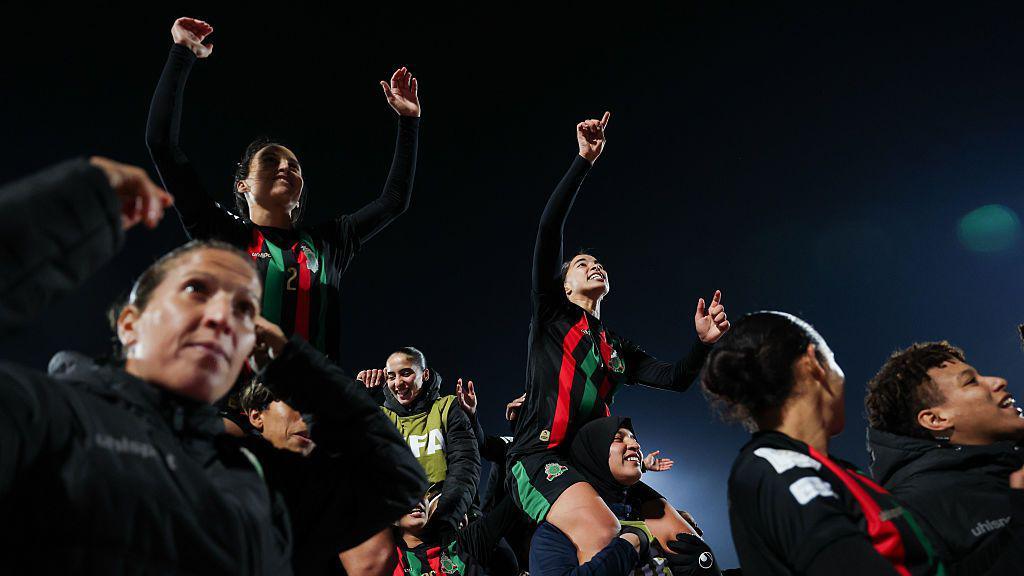
AS FAR face Arsenal in a historic Women’s Champions Cup semi-final, marking the first time an African club meets a European side competitively. Here’s how Morocco’s military club became Africa’s queens.
On Wednesday evening, football fans across Morocco’s capital, Rabat, will gather in cafés—not to watch Mikel Arteta’s men at the Emirates, but to cheer on their nation’s pride in women’s football.
Renee Slegers’ Arsenal Women will take on AS FAR at Brentford’s Gtech Community Stadium in the semi-final of the inaugural Women’s Champions Cup. Earlier in the day, Brazil’s Corinthians face Gotham FC of the United States in the other semi-final. The winners will meet at Arsenal’s Emirates Stadium on Sunday, 1 February, with a staggering $2.3 million prize—the largest single award in women’s club football—awaiting the champions.
For AS FAR, this is more than just another match. It is history. This will be the first time an African women’s club plays a European side in a competitive fixture. And while the Moroccan champions enter as underdogs, their story is one of vision, investment, and transformation that has reshaped African women’s football.
So who are AS FAR—and how did they rise to become queens of the continent?
AS FAR—short for Association Sportive des Forces Armées Royales—was founded in 1958 by the late King Hassan II. The club belongs to Morocco’s military establishment, a connection that has given it unique stability and institutional backing.
The women’s team, established in 2001, became Morocco’s first professional women’s football outfit. Unlike private clubs constrained by fragile finances, AS FAR has enjoyed long-term structural support. Over the past decade, that advantage has been converted into dominance.
They have won every Moroccan league title but one since 2013, building a dynasty unmatched in the country. On the continental stage, they have been just as formidable—claiming two African Women’s Champions League titles since the competition was created in 2021, including the most recent crown in November.
That triumph secured their place in this inaugural global Champions Cup.
After receiving a bye in the first round, AS FAR came from behind to defeat Chinese champions Wuhan Jiangda in extra time. Now, they face Arsenal.
While the gulf in resources between the clubs is obvious, AS FAR are not short on talent. The squad includes several Morocco internationals, with seven players having represented the Atlas Lionesses at the 2023 Women’s World Cup.
Among them is Anissa Lahmari, who came through Paris Saint-Germain’s academy, spent time on loan at Reading, and joined AS FAR last year. She scored the goal that sent Morocco into the World Cup knockout stage at Germany’s expense.
Arsenal must also beware of dynamic wingers Sanaa Mssoudy and Fatima Tagnaout, both regulars for the national team.
“This match represents the level the club has reached and reflects the remarkable progress of women’s football in Morocco,” says former AS FAR captain and national team star Ghizlane Chebbak.
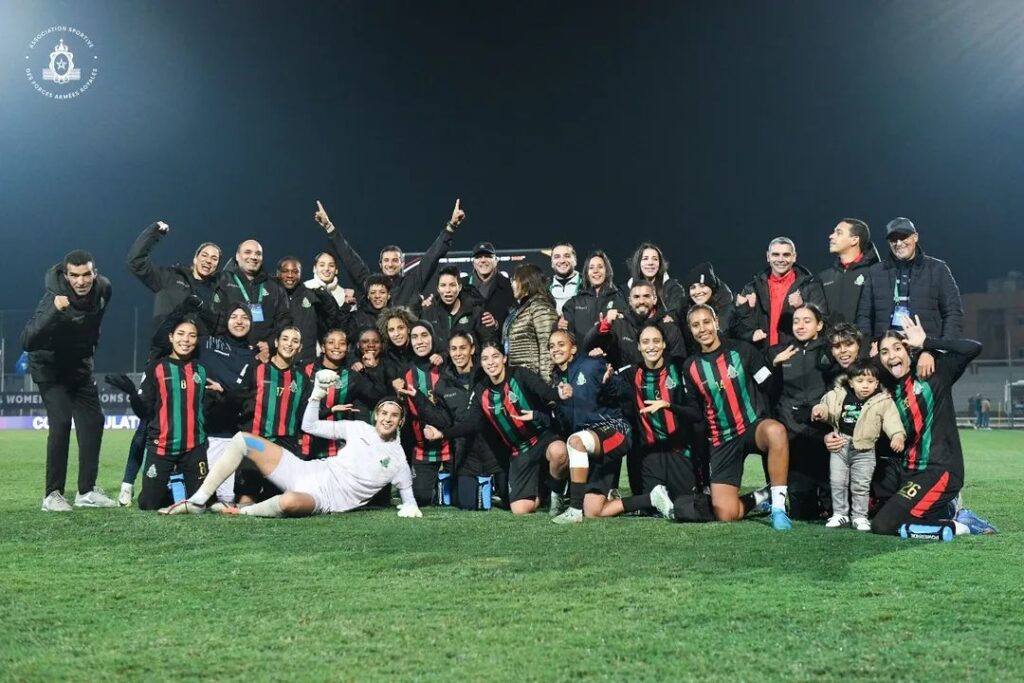
AS FAR’s rise mirrors a broader transformation sweeping Moroccan women’s football.
A decade ago, Morocco was largely absent from the continental conversation. Today, it is one of Africa’s powerhouses. That shift has been driven by deliberate policy, heavy investment, and a bold national vision led by the Royal Moroccan Football Federation (FRMF) and the government.
In 2020, Morocco took a radical step: the state began funding every team in the top two women’s divisions. Player wages, coaching staff, and medical personnel were all covered. Overnight, leagues that had been semi-amateur became fully professional.
Each of the 14 top-division teams receives funding for 13 players paid about $500 per month, with another seven earning $350. Head coaches earn around $500. While modest by European standards, this created a universal baseline—economic security for players.
Clubs then top up these salaries. The best players now earn over $2,000 per month.
For pioneers of the game, the change is emotional.
“I’m just sorry for myself because I wanted to live in this moment when I was a player,” says Khadija Illa, former player and president of the Moroccan league. “But when I see the girls now living the dream, I feel like I’m living it.”
“Twenty years ago, people would ask: ‘Is anyone even playing in Morocco?’ Now we are champions of Africa, going to play Arsenal.”
The investment extends far beyond clubs.
Morocco’s women’s national team trains at the King Mohammed VI Training Complex, a $65 million facility shared with the men’s teams and youth sides. It features:
Leicester City forward Rosella Ayane once described it as “St George’s Park with palm trees.”
The results are visible.
After failing to qualify for the Women’s Africa Cup of Nations (WAFCON) for over two decades, Morocco hosted the tournament in 2022 and 2025—reaching the final on both occasions—and will host again in 2026.
They reached their first Women’s World Cup in 2023, advancing to the last 16 before losing to France. Former Spain coach Jorge Vilda now leads the national team.
Morocco is not alone in this rise. Nigeria and South Africa also reached the World Cup knockout rounds, signaling a continental awakening.
The creation of the African Women’s Champions League in 2021 elevated club football across the continent. AS FAR and Mamelodi Sundowns have each won it twice, while TP Mazembe claimed one title.
Last November, AS FAR defeated ASEC Mimosas in the final, earning their place on this global stage.
Now, under the lights in London, they carry more than just their club badge. They carry the story of a nation that chose to believe in women’s football—and invested accordingly.
“It really is a dream,” Illa reflects. “Before, I could never have imagined girls from Morocco playing Arsenal in London. But now, it’s real.”
Whether AS FAR shock the world or bow out with pride, their presence alone is victory. It is proof that with vision, investment, and structure, African women’s football can stand on the same stage as Europe’s elite.
On Wednesday night, in cafés across Rabat, history will unfold—not in whispers, but in cheers.
Join African360 WhatsApp Channel for more News update: https://whatsapp.com/channel/0029Vb7Oc6nGk1FpdCN0xn44