Physical Address
304 North Cardinal St.
Dorchester Center, MA 02124
Physical Address
304 North Cardinal St.
Dorchester Center, MA 02124

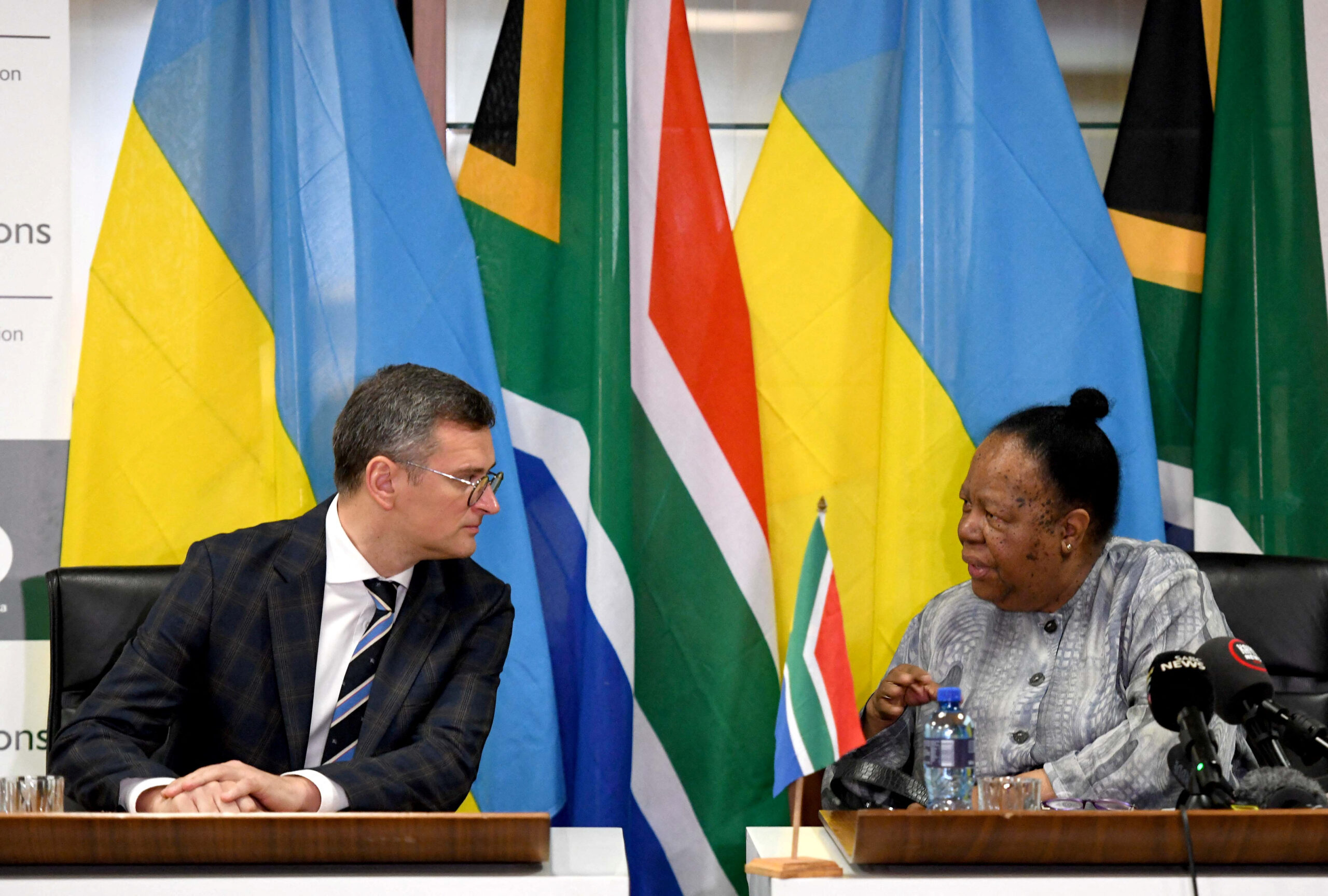
South Africa and Israel have expelled each other’s top diplomats, deepening diplomatic tensions already strained by the Gaza war and an ICJ genocide case.
Diplomatic relations between South Africa and Israel have taken a dramatic turn after both countries expelled each other’s highest-ranking envoys, signaling a sharp escalation in an already strained relationship. The tit-for-tat expulsions reflect growing hostility rooted in geopolitical disagreements, accusations of misconduct, and South Africa’s legal challenge against Israel at the International Court of Justice (ICJ).
The diplomatic row began when South Africa’s Department of International Relations and Cooperation declared Ariel Seidman, Israel’s chargé d’affaires in Pretoria, persona non grata. The government ordered him to leave the country within 72 hours, accusing him of violating diplomatic norms and abusing his official position.
Within hours, Israel responded in kind. Prime Minister Benjamin Netanyahu’s government announced that South Africa’s representative in Israel, Shaun Edward Byneveldt, had also been declared persona non grata and would be required to depart Israel within the same timeframe. Israeli officials described South Africa’s move as “unilateral and baseless” and warned that further measures could follow.
Although neither country currently has an ambassador posted in the other’s capital, the expelled diplomats were the most senior representatives in place. This makes the expulsions especially significant, as they effectively sever the highest level of diplomatic engagement between the two states without a formal break in relations.
South Africa justified its decision by accusing Seidman of engaging in political activities incompatible with his diplomatic status. According to the foreign ministry, his conduct amounted to a “gross abuse of diplomatic privilege,” including the use of official social media platforms to criticize President Cyril Ramaphosa and South Africa’s foreign policy.
The government also alleged that Seidman facilitated visits by Israeli officials to South Africa without proper authorization, bypassing established diplomatic protocols.
A key element in the dispute centers on Seidman’s relationship with Buyelekhaya Dalindyebo, a controversial traditional leader and nephew of former President Nelson Mandela. Dalindyebo, who holds the title of king within one of South Africa’s recognized royal households, visited Israel in December and reportedly met senior Israeli officials—without the knowledge or approval of the South African government.
Following his return, an Israeli delegation traveled to South Africa’s Eastern Cape province, where Dalindyebo is based. The delegation reportedly discussed development assistance in areas such as water management, healthcare, and agriculture. Israeli officials later shared videos and images of the visit on social media, presenting it as a goodwill mission.
South African authorities took issue with the visit, stressing that traditional leaders hold no formal political power and cannot independently conduct international relations. The government viewed the engagement as an attempt to circumvent official diplomatic channels.
The diplomatic fallout cannot be separated from the broader geopolitical context. Relations between South Africa and Israel have deteriorated significantly since Pretoria accused Israel of committing genocide against Palestinians during the Gaza conflict, a case currently being heard at the ICJ. Israel has vehemently rejected the accusation, calling it politically motivated and unfounded.
Israeli officials cited South Africa’s legal action and repeated criticism of Israel on the international stage as justification for expelling Byneveldt. In a statement, Israel’s government said the move was a response to what it described as “false attacks” and sustained diplomatic hostility.
The expulsions are largely symbolic but carry substantial diplomatic weight. They highlight how disagreements over international law, regional conflicts, and diplomatic conduct can quickly spiral into open confrontation. While full diplomatic relations have not been formally severed, communication between the two governments is now significantly impaired.
For South Africa, the move reinforces its long-standing foreign policy stance rooted in human rights advocacy and international law, shaped by its own history of apartheid. For Israel, the response underscores its determination to push back against countries it believes are unfairly targeting it in global forums.
It remains unclear how far the dispute will go. Israel has hinted at additional steps, while South Africa has stood firm on its decision, framing it as a matter of principle rather than retaliation. Diplomatic experts warn that prolonged escalation could affect trade, cooperation, and multilateral engagement between the two nations.
As global attention remains focused on the Middle East and international legal proceedings, the South Africa–Israel standoff serves as a reminder of how foreign policy positions can reshape bilateral relationships overnight. Whether cooler heads will prevail or tensions will deepen further remains to be seen.
Join African360 WhatsApp Channel for more News update: https://whatsapp.com/channel/0029Vb7Oc6nGk1FpdCN0xn44