Physical Address
304 North Cardinal St.
Dorchester Center, MA 02124
Physical Address
304 North Cardinal St.
Dorchester Center, MA 02124

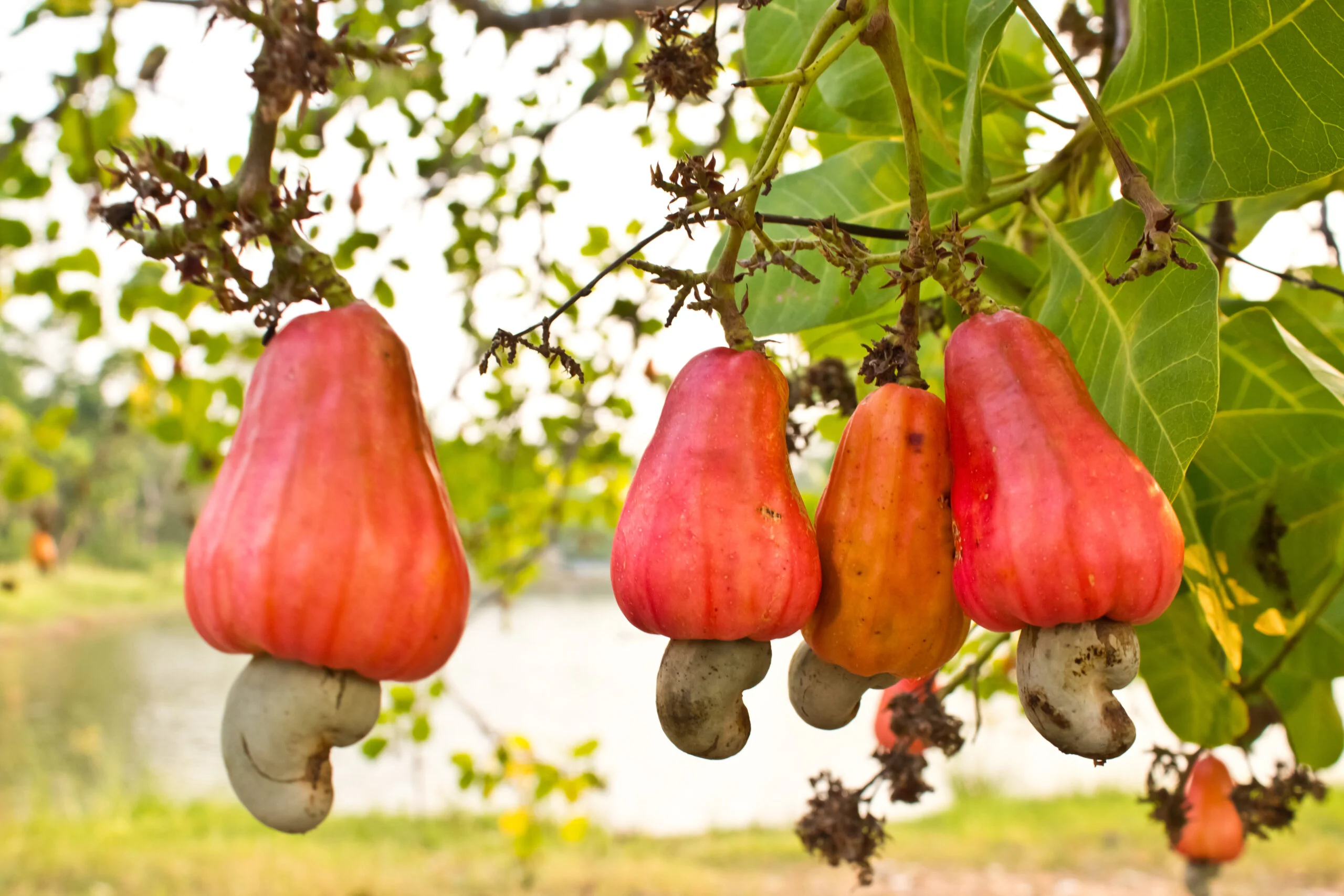
Ghana’s cashew floor price has been slashed by 20% for the 2025/2026 season. Discover how this decision threatens smallholder farmers, productivity, and the future of the cashew industry—and why stakeholders are calling for urgent reforms.
Ghana’s cashew industry, one of the fastest-growing tree crop sectors in the country, is facing a defining moment. The announcement by the Tree Crops Development Authority (TCDA) to reduce the floor price of raw cashew nuts by 20 percent for the 2025/2026 season has sent shockwaves through farming communities and industry players alike.
The new floor price of GH¢12 per kilogram, down from GH¢15 in 2024, represents more than just a numerical adjustment. For thousands of smallholder farmers who depend on cashew as their primary source of income, it signals a potential erosion of livelihoods already strained by rising production costs, climate uncertainties, and limited access to affordable credit.
While the TCDA has justified the reduction based on global market trends and a prevailing Free On Board (FOB) price of US$1,400 per metric tonne, many stakeholders argue that the local realities of farming in Ghana were not adequately considered. According to the authority’s pricing formula, the indicative rate should have been GH¢11.16, which was rounded up to GH¢12. But for farmers who had hoped for improved returns after months of investment and hard labor, even this “rounded up” figure feels like a step backward.
Cashew farming in Ghana is largely driven by smallholders—families managing modest plots of land, often with little financial cushion. Over the past year, many of these farmers invested heavily in farm maintenance, pest control, pruning, and post-harvest handling. These investments were made in anticipation of better prices and improved incomes.
Instead, they are now being asked to absorb a sharp reduction in earnings.
Cashew Watch Ghana (CWG), an advocacy organization for farmers and industry stakeholders, has raised strong concerns about the impact of the price cut. In a statement signed by its Steering Committee Chairman, Mr. Simon Asore, the group warned that the decision could:
This comes at a time when farmers are already grappling with escalating costs for labor, fertilizers, and tools, as well as climate-related challenges such as irregular rainfall and prolonged dry spells. For many, cashew is not just a crop—it is their lifeline.
The discontent is not limited to advocacy groups. Mr. Daniel Munufie, Bono Regional Chairman of the Cashew Farmers’ Cooperative, has openly expressed disappointment on behalf of farmers in the region.
According to him, producers had expected a better price this season, especially given the steep rise in maintenance and labor costs. Any reduction in income, he explained, directly erodes profits and worsens the already precarious conditions under which farmers operate.
“These farmers are the backbone of the sector,” he emphasized. “Yet they continue to bear the greatest burden whenever market conditions shift.”
His statement highlights a recurring pattern in agricultural value chains: primary producers often absorb the shocks of global market fluctuations, even when they have little control over those dynamics.
Cashew Watch Ghana is not merely criticizing the price cut—it is offering solutions. The organization has called on the government, the TCDA, and key stakeholders to rethink the current pricing regime and adopt reforms that prioritize stability and fairness.
Among its recommendations are:
The cashew sector holds enormous promise for Ghana. It has the potential to drive rural development, create employment, and contribute significantly to export earnings. However, this promise can only be realized if the people at the base of the value chain—smallholder farmers—are protected and empowered.
Price decisions, while influenced by global markets, must reflect local realities. A policy that weakens farmers today risks shrinking the industry tomorrow. Reduced investment leads to lower yields, declining quality, and ultimately, a less competitive sector.
In the long run, the cost of neglecting farmers may outweigh the short-term benefits of aligning prices strictly with international trends.
The 2025/2026 cashew price cut is more than a policy adjustment—it is a test of Ghana’s commitment to inclusive agricultural growth. Farmers are not asking for luxury; they are asking for fairness, predictability, and recognition of their central role in the industry.
As the buying season approaches, there is still room for dialogue and recalibration. A second look at the pricing framework, coupled with structural reforms, could restore confidence and safeguard the future of Ghana’s cashew sector.
Follow African360 WhatsApp Channel for more Business News: https://whatsapp.com/channel/0029Vb7Oc6nGk1FpdCN0xn44