Physical Address
304 North Cardinal St.
Dorchester Center, MA 02124
Physical Address
304 North Cardinal St.
Dorchester Center, MA 02124

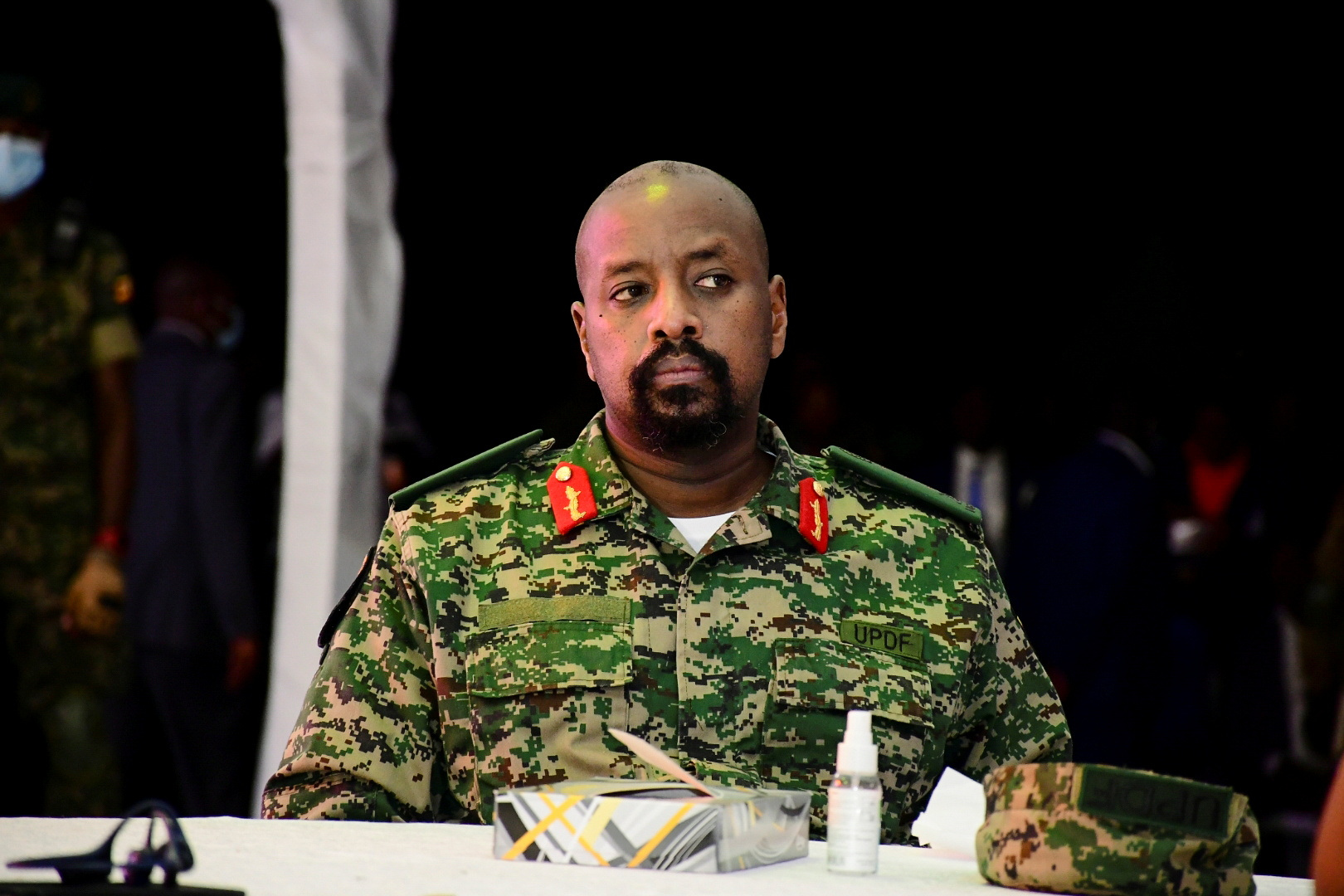
Uganda’s army chief says 2,000 opposition supporters have been detained and 30 killed following the disputed re-election of President Yoweri Museveni, sparking international concern.
Uganda has been plunged into renewed political tension following a sweeping security crackdown after the country’s disputed presidential election. The army chief, Muhoozi Kainerugaba, has revealed that authorities have detained around 2,000 opposition supporters and killed at least 30 people in operations targeting members of the National Unity Platform (NUP), the party led by opposition figure Bobi Wine.
The comments came in a series of overnight social media posts on Friday, marking the first official acknowledgment of the scale of arrests and killings since the January 15 election, which returned President Yoweri Museveni to office for a seventh term.
Museveni, 81, has ruled Uganda for nearly four decades. He was declared the winner of the vote, which was conducted during an internet blackout. The Electoral Commission said he had “resoundingly defeated” Bobi Wine, whose real name is Robert Kyagulanyi.
Wine immediately rejected the outcome, alleging widespread irregularities including ballot stuffing, intimidation, and manipulation of results. Shortly after the election, he went into hiding, saying his residence had been raided by security forces.
In his posts on X, Kainerugaba—who is also Museveni’s son—described NUP supporters as “hooligans” and “terrorists.”
“So far we have killed 30 NUP terrorists,” he wrote, without providing details on how or where the deaths occurred.
In another post, he added: “Most NUP terrorist leaders are in hiding. We shall get them all.”
The government has accused supporters of the opposition of instigating violence during and after the election. The NUP, however, insists that its members have been targeted by security forces in a campaign of intimidation and repression.
Reuters said it was unable to independently verify the claims made by either side. Uganda’s police declined to provide further comment, while military spokesperson Chris Magezi could not be reached.
The unfolding situation has drawn sharp international concern. United Nations Secretary-General António Guterres expressed alarm over the arrests and reports of violence involving opposition figures and their supporters.
“The Secretary-General notes the importance of restraint by all actors and respect for the rule of law and Uganda’s international human rights obligations,” UN spokesperson Stéphane Dujarric said in a statement late Thursday.
Human rights groups and opposition parties in Uganda say many of those arrested are being held in unofficial detention centres, where some detainees are allegedly tortured. They warn that the crackdown is designed to instil fear and dismantle the opposition’s grassroots networks.
Wine has claimed that hundreds of his supporters have been illegally detained in recent months, targeted solely for their political affiliation.
“This is aimed at terrorising our people and intimidating anyone who dares to challenge the regime,” he has said in previous statements.
The situation has intensified in recent days with the detention of Muwanga Kivumbu, a lawmaker and Bobi Wine’s deputy in the NUP, on Thursday. Two other senior party officials have reportedly been missing for several days, raising fears of enforced disappearances.
Wine, 43, said he fled his residence after it was raided by security personnel shortly after the election.
Uganda’s political landscape has long been marked by accusations of repression, particularly during election periods. Bobi Wine, a former pop star turned politician, has emerged over the past decade as Museveni’s most formidable challenger, especially among young Ugandans.
His rise has been met with repeated arrests, beatings, and restrictions on his movement. Each election cycle has brought renewed confrontations between security forces and opposition supporters.
Observers say the latest developments suggest a hardening stance by the state.
“The scale of these detentions and the language being used by senior officials is deeply concerning,” said a regional analyst based in Nairobi. “It signals an approach that treats political dissent as a security threat rather than a democratic right.”
With the opposition leadership scattered, some in hiding, and reports of mass detentions mounting, Uganda faces a volatile post-election period.
For many citizens, the crackdown raises troubling questions about the future of political freedoms in the East African nation—and whether dissent can survive under an increasingly militarised response.
Follow African360 WhatsApp Channel for more update https://whatsapp.com/channel/0029Vb7Oc6nGk1FpdCN0xn44