Physical Address
304 North Cardinal St.
Dorchester Center, MA 02124
Physical Address
304 North Cardinal St.
Dorchester Center, MA 02124

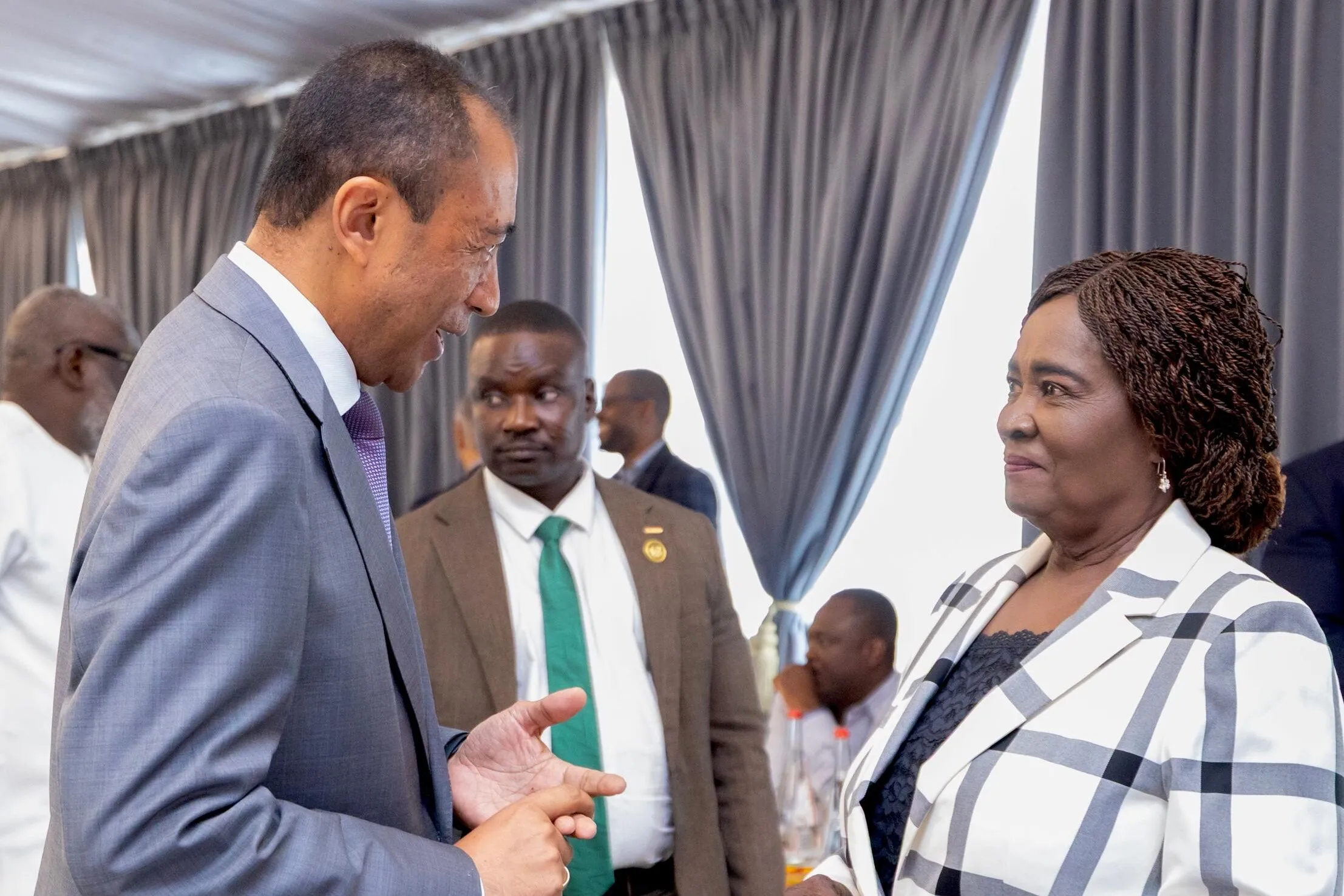
Vice President Naana Jane Opoku-Agyemang meets IMF officials, highlights Ghana’s economic recovery and urges a shift from emergency support to a more balanced, development-focused partnership.
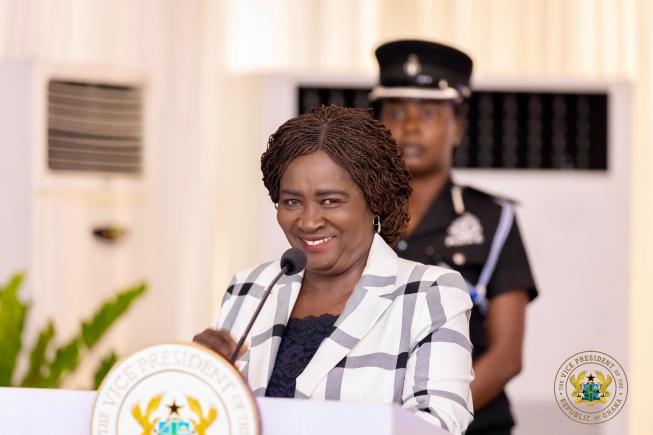
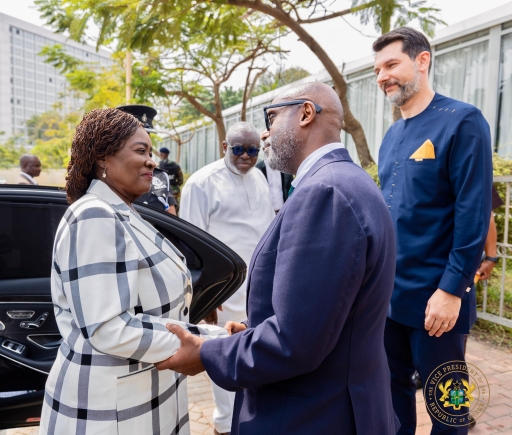
Vice President Professor Naana Jane Opoku-Agyemang has held high-level discussions with heads of International Monetary Fund (IMF) country and regional offices in Africa, using the platform to reflect on Ghana’s economic journey amid growing global concerns over debt and development finance.
The meeting, held on January 19, gave the Vice President the opportunity to outline Ghana’s improving macroeconomic outlook and to position the country’s recovery within wider continental and global economic shifts.
Professor Opoku-Agyemang said Ghana’s economic reality today differs significantly from recent years, pointing to key improvements such as single-digit inflation, a more stable cedi, and stronger real GDP growth.
She stressed that these gains are tangible and being felt across the economy, rather than remaining abstract macroeconomic indicators.
Ghana, she said, is entering a new phase marked by cautious optimism and determination—driven by reforms that are nationally owned, supported rather than dictated by the IMF, and sustained by the country’s willingness to take difficult but necessary policy decisions.
While acknowledging the continued relevance of international financial institutions on the African continent, the Vice President observed that recent global and regional developments increasingly show Africa’s readiness to do more on its own.
She emphasised that this growing self-confidence does not diminish the importance of partnerships, but rather calls for cooperation that is mutually beneficial and responsive to Africa’s development priorities.
Reaffirming the position of President John Dramani Mahama, Professor Opoku-Agyemang said Ghana’s relationship with the IMF must evolve beyond emergency support arrangements. She noted that although Africa continues to face structural challenges such as high borrowing costs, the continent also holds major opportunities—particularly the transformative potential of the African Continental Free Trade Area (AfCFTA).
She concluded by reiterating Ghana’s commitment to self-reliance, backed by coordinated, fair, and development-oriented international cooperation.