Physical Address
304 North Cardinal St.
Dorchester Center, MA 02124
Physical Address
304 North Cardinal St.
Dorchester Center, MA 02124
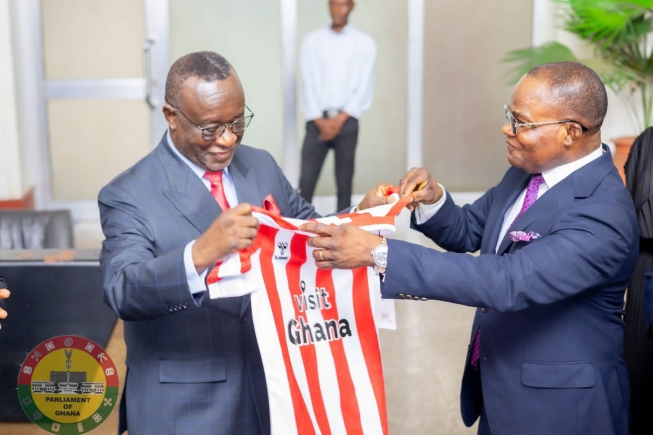
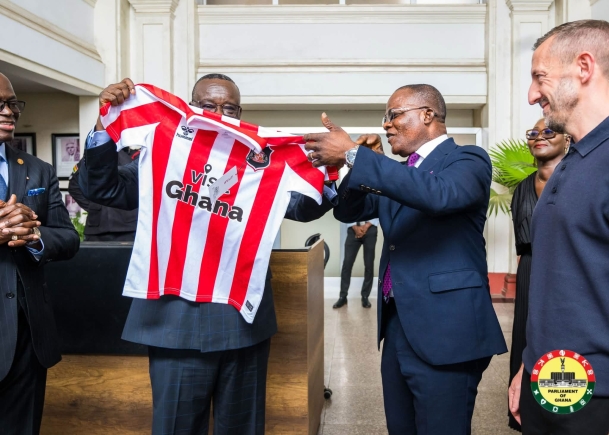
Ghana’s proposed £10 million (about GH¢153 million) “Visit Ghana” sponsorship deal with Sunderland AFC is facing a major setback, with the English Premier League club reportedly proceeding on the assumption that the agreement will not go ahead.
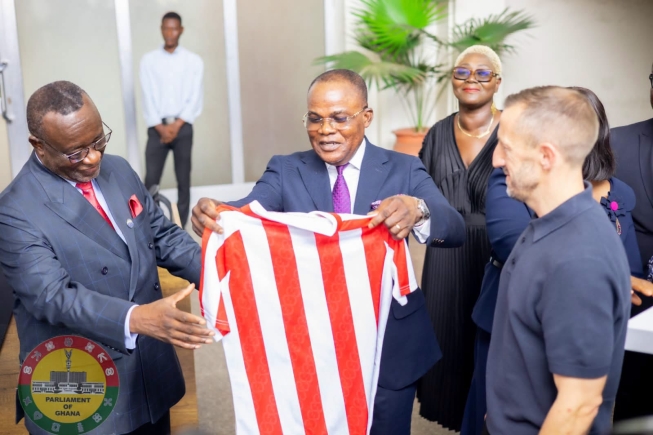
The proposed partnership was expected to put the Visit Ghana brand prominently on Sunderland’s front-of-shirt throughout the Premier League season, giving Ghana an international tourism platform through one of the world’s most-watched football competitions.
But after around six months of negotiations involving Sunderland, Visit Ghana and representatives of the Ghanaian government, the agreement remains without the formal approval required from Accra.
Sunderland has reportedly informed Graphic Sports that, because the necessary approval has not been received, the club is now operating on the basis that the proposed sponsorship will not materialise.
The development could have significant implications for both Ghana’s tourism ambitions and a planned football friendly involving Asante Kotoko.
The proposed £10 million partnership was viewed as an opportunity to promote Ghana to a huge global audience.
Premier League football attracts viewers across Africa, Europe, Asia, North America and other parts of the world, giving a tourism campaign attached to an English top-flight club the potential to reach millions of people.
The Visit Ghana branding would have appeared on Sunderland’s shirts, effectively turning every televised match, photograph and major media appearance involving the club into an opportunity to showcase Ghana as a tourism destination.
For a country seeking to attract more international visitors, that kind of exposure could have been extremely valuable.
However, the deal now appears to be in serious danger.
The uncertainty also threatens a proposed friendly between Asante Kotoko, the 2026 Democracy Cup champions, and Sunderland in England.
The fixture was understood to be part of the wider sponsorship arrangement.
If the partnership collapses, questions will naturally arise over whether the planned match can still take place and, if so, under what financial and organisational arrangements.
For Kotoko, the proposed fixture would have represented an opportunity to take on Premier League opposition and expose the club to a wider international audience.
For Ghanaian football, it would also have been an attractive continuation of the Democracy Cup initiative.
What makes the situation particularly striking is how far the proposal had already progressed.
The partnership had been publicly discussed by government-linked representatives and was expected to see Visit Ghana branding appear on Sunderland’s shirts at the beginning of the current Premier League campaign.
That created an expectation that the agreement was effectively on course.
The absence of formal approval, however, appears to have changed the situation dramatically.
For Sunderland, six months of negotiations without the required authorisation has created enough uncertainty for the club to begin planning on the assumption that the sponsorship will not proceed.
That does not necessarily mean the deal has been formally cancelled, but it places its future in serious doubt.
A sponsorship of this scale would have been about much more than putting a logo on a football shirt.
Ghana has increasingly used international sport, entertainment and culture as vehicles for tourism promotion.
A Premier League partnership could have provided continuous international exposure rather than the short-term attention generated by a traditional advertising campaign.
Every Sunderland match could potentially have placed Ghana’s tourism message in front of international football audiences.
The proposed arrangement therefore represented a significant opportunity — but also raises questions about how major public-facing partnerships are negotiated, approved and communicated.
The biggest concern is not simply whether the Sunderland deal survives.
It is how a potentially valuable international marketing opportunity reached this stage without all the necessary approvals being secured.
If the reported £10 million figure is accurate, this would be a substantial partnership requiring careful financial, legal and governmental scrutiny.
That process is understandable.
But six months of negotiations followed by uncertainty over formal approval creates the impression of a disconnect between negotiation and decision-making.
For Ghana, the lesson should be straightforward.
Major international partnerships need clear authority, transparent processes and firm timelines before they are publicly presented as imminent deals.
The potential rewards are enormous when Ghana successfully attaches its tourism brand to globally recognised platforms.
But the reputational cost can also be significant if highly publicised agreements repeatedly reach the announcement stage without being completed.
The Sunderland opportunity was potentially powerful: Premier League exposure for Visit Ghana, an international platform for tourism promotion and a high-profile friendly for Asante Kotoko.
Now, all three remain uncertain.
The deal may still be revived if the necessary approval is secured.
But for now, Sunderland appears to be preparing for life without the partnership — leaving Ghana with a difficult question:
How did a £10 million opportunity get this close to collapse?