Physical Address
304 North Cardinal St.
Dorchester Center, MA 02124
Physical Address
304 North Cardinal St.
Dorchester Center, MA 02124
African360 News | Ghana News
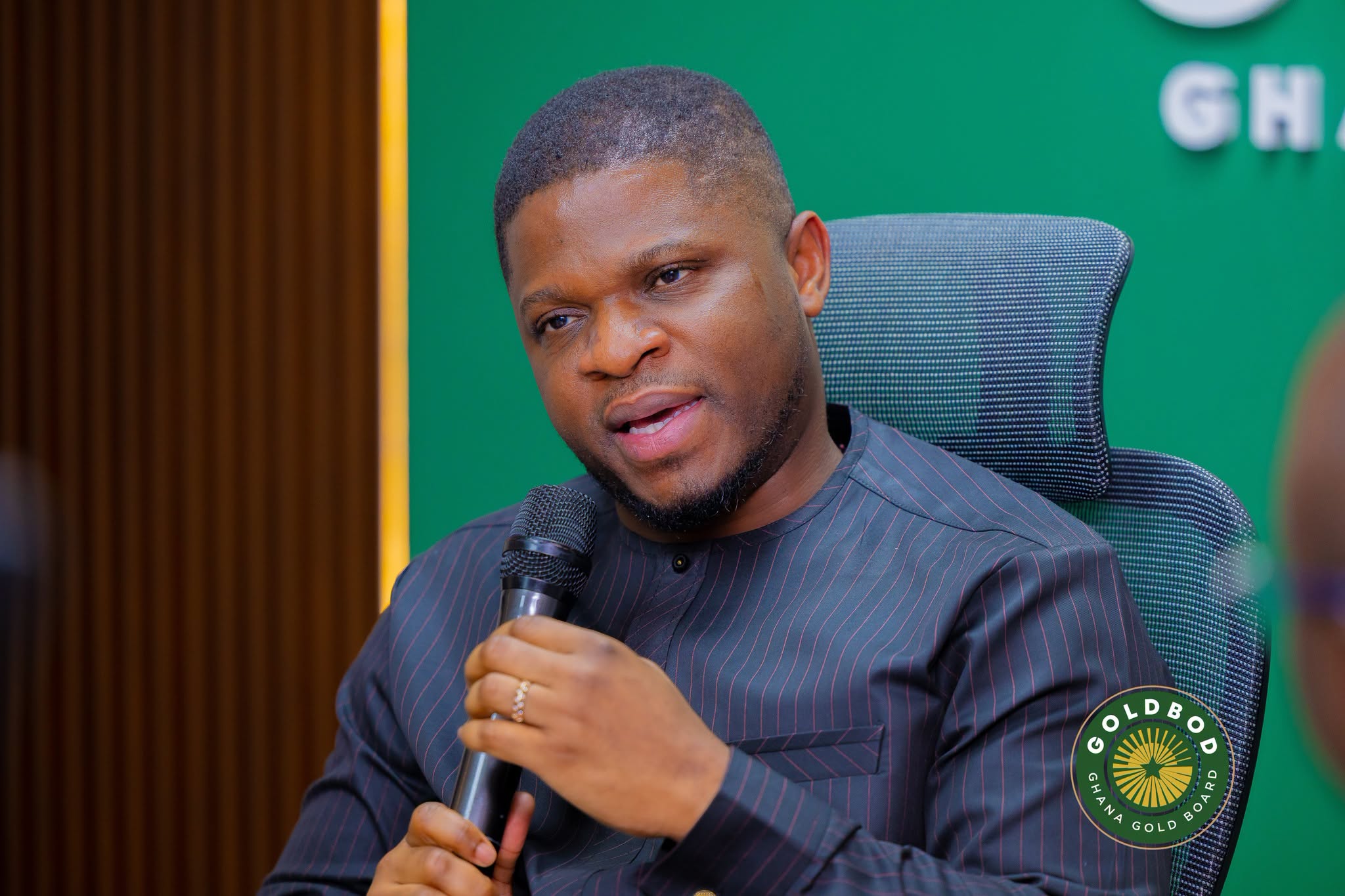
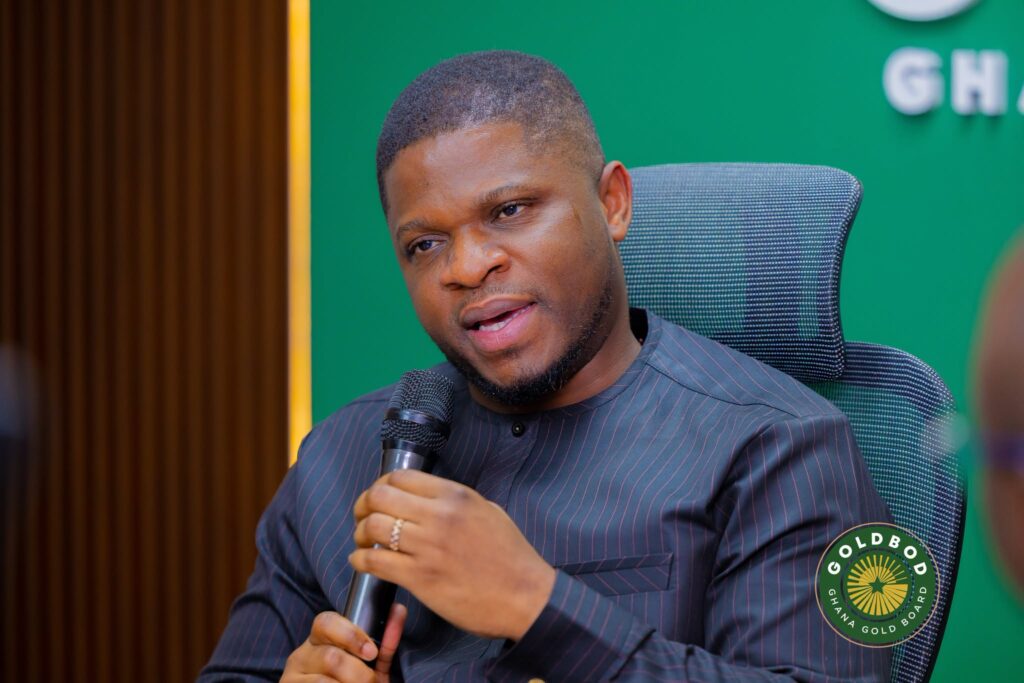
Ghana Gold Board (GoldBod) Chief Executive Officer Sammy Gyamfi has clarified the government’s approach to formalising unlicensed artisanal and small-scale mining operations, arguing that eligible miners should be supported to obtain the necessary permits, training and financing rather than relying solely on security operations to drive them out.
Mr Gyamfi maintains that mining activities which do not affect water bodies, forest reserves or unsafe locations within communities should be considered for formalisation under the government’s Responsible Cooperative Mining and Skills Development Programme (rCOMSDEP).
He has distinguished such operations from mining in rivers and other water bodies, forest reserves, and dangerous locations such as roadsides and school lands, which he says cannot be tolerated or reformed through the proposed approach.
According to him, formalisation offers a pathway for eligible operators to transition into a regulated and more environmentally responsible mining sector.
However, eligibility for formalisation does not automatically grant a mining licence. Operators would still need to meet the applicable legal, technical and environmental requirements.
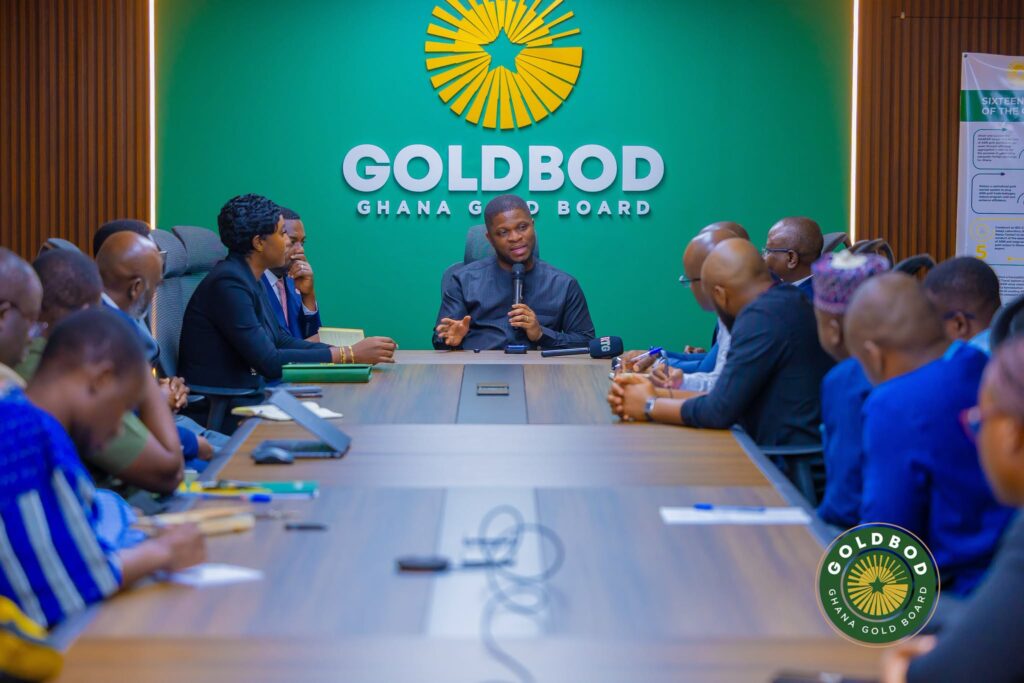
Mr Gyamfi argues that enforcement measures should be complemented by practical support to help miners comply with the law.
He said the government’s approach is intended to provide eligible artisanal and small-scale miners with the appropriate legal documentation, certifications, permits and technical training needed to operate responsibly.
In his view, bringing suitable operators into the formal economy could improve safety, reduce environmental risks and create more sustainable livelihoods for people working in the mining industry.
The GoldBod CEO has also argued that formalisation and traceability should form a central part of Ghana’s efforts to improve accountability across the artisanal and small-scale mining sector.
His position reflects a broader policy debate over how Ghana can tackle illegal mining while preserving legitimate livelihoods and strengthening environmental protection.

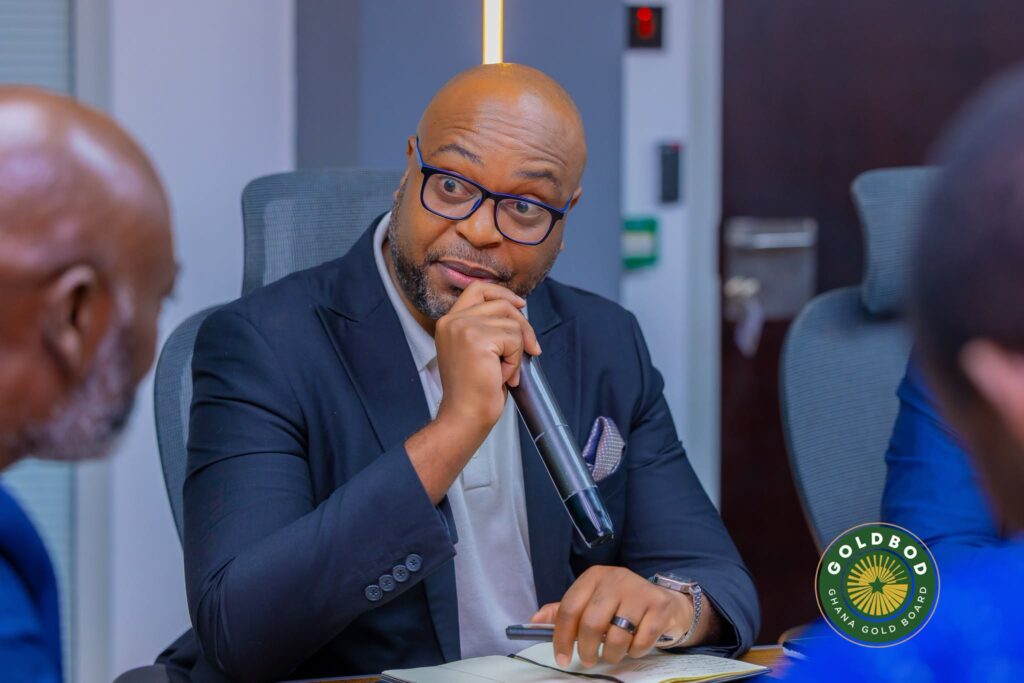
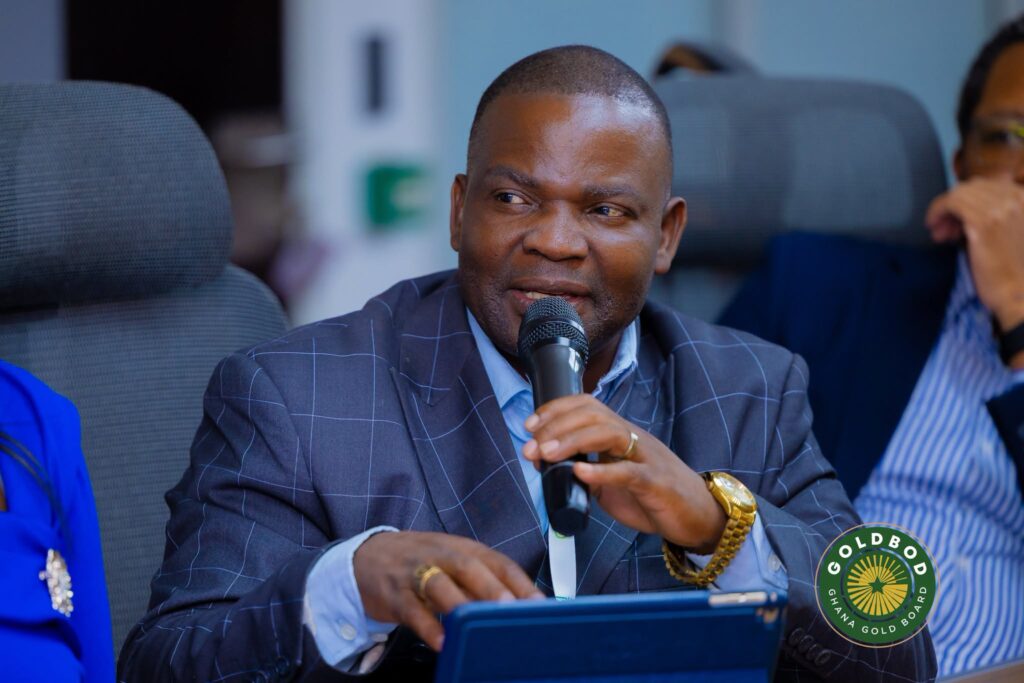
GoldBod has announced plans to introduce an Artisanal and Small-Scale Mining Formalisation and Financing Support Programme (FFSP) in 2027.
The initiative is expected to be implemented in collaboration with the Ministry of Lands and Natural Resources and the University of Mines and Technology, with technical support from South Africa’s Rand Refinery.
The proposed programme aims to increase gold production, improve recovery rates, create jobs and reduce operational costs and environmental degradation.
It is also intended to improve access to financing and technical expertise for miners who are prepared to operate within the regulatory framework.
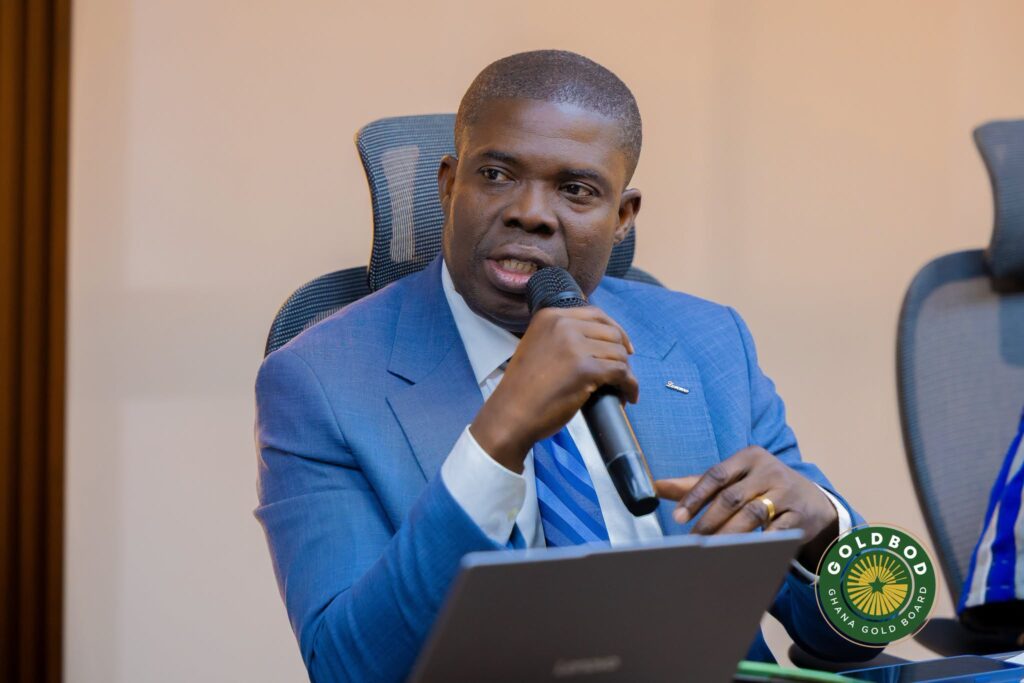
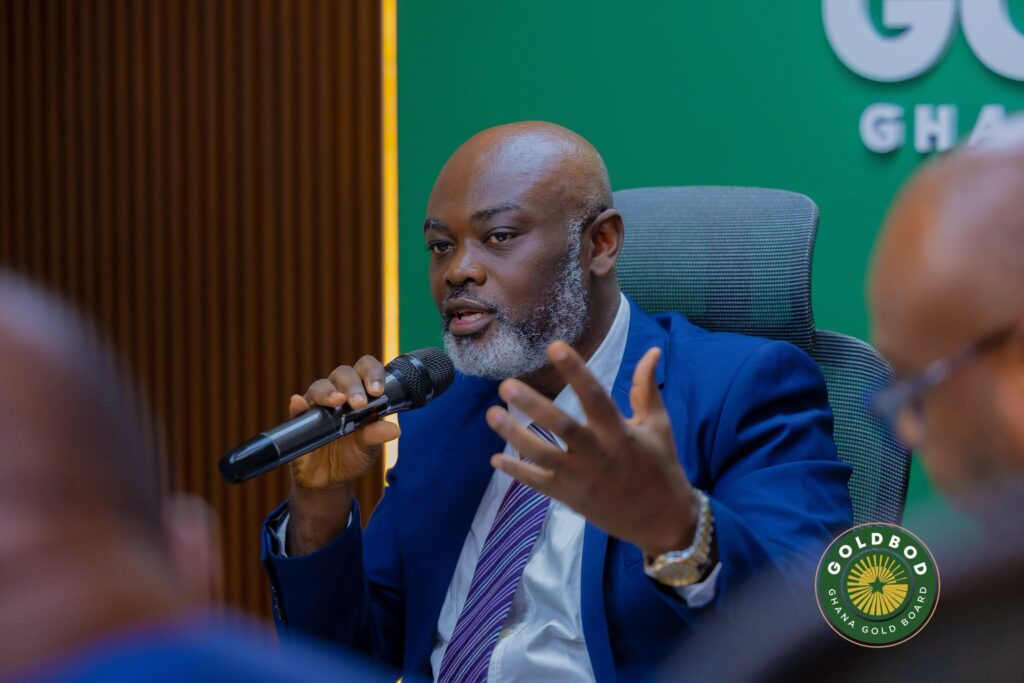
Speaking at the Mining in Motion 2026 summit, Mr Gyamfi said regulation must be firm while remaining practical, inclusive and commercially viable.
He argued that compliance should create opportunities rather than impose hardships, adding that properly organised small-scale mining could support livelihoods, generate foreign exchange, strengthen reserves and expand indigenous businesses.
He also highlighted the potential of modern technology and sound engineering to improve recovery rates, reduce waste and enhance safety across the sector.
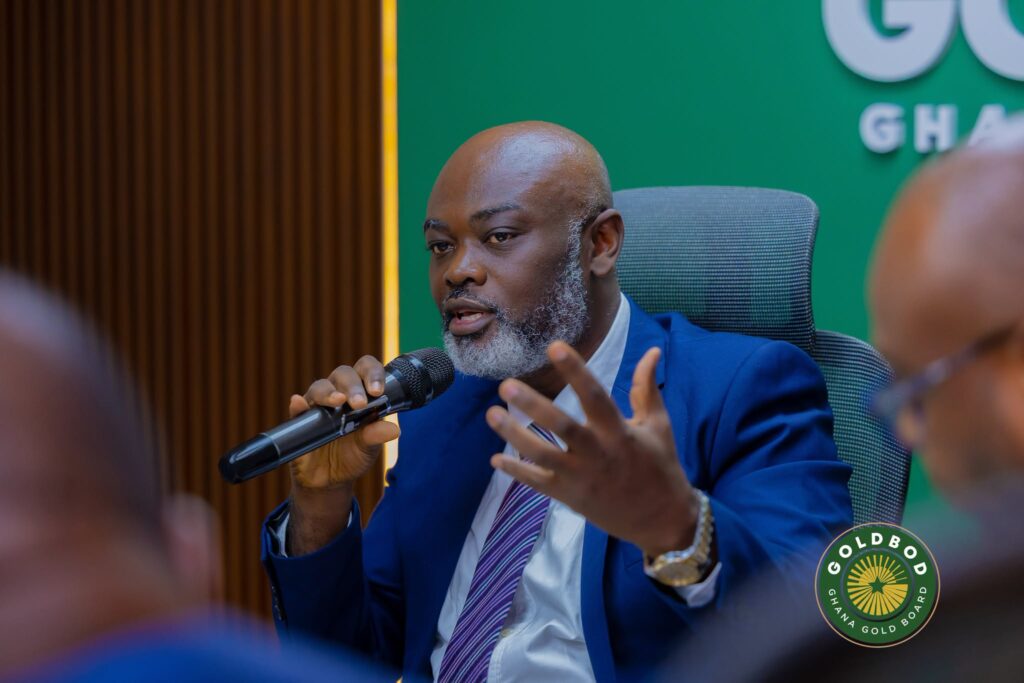
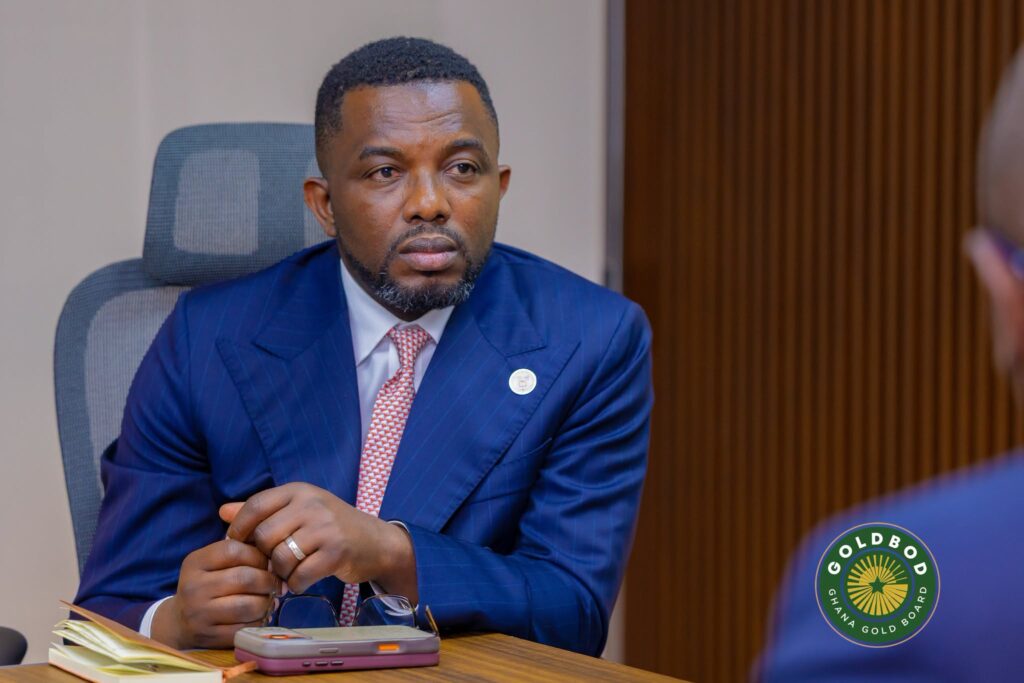
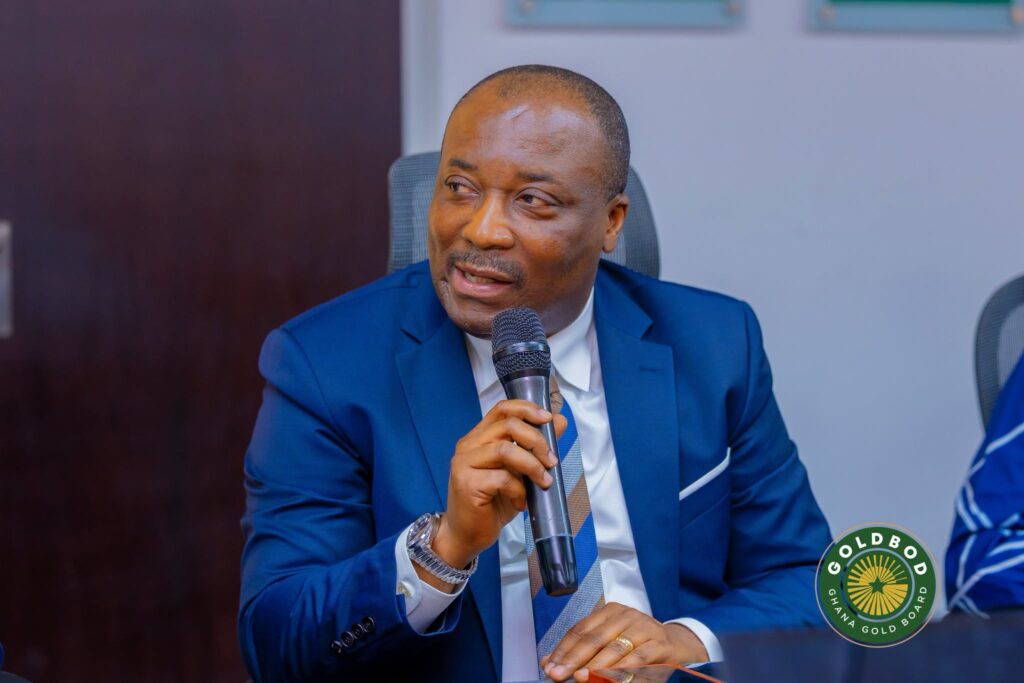
GoldBod’s formalisation agenda has also attracted interest from other African countries seeking to strengthen their gold industries.
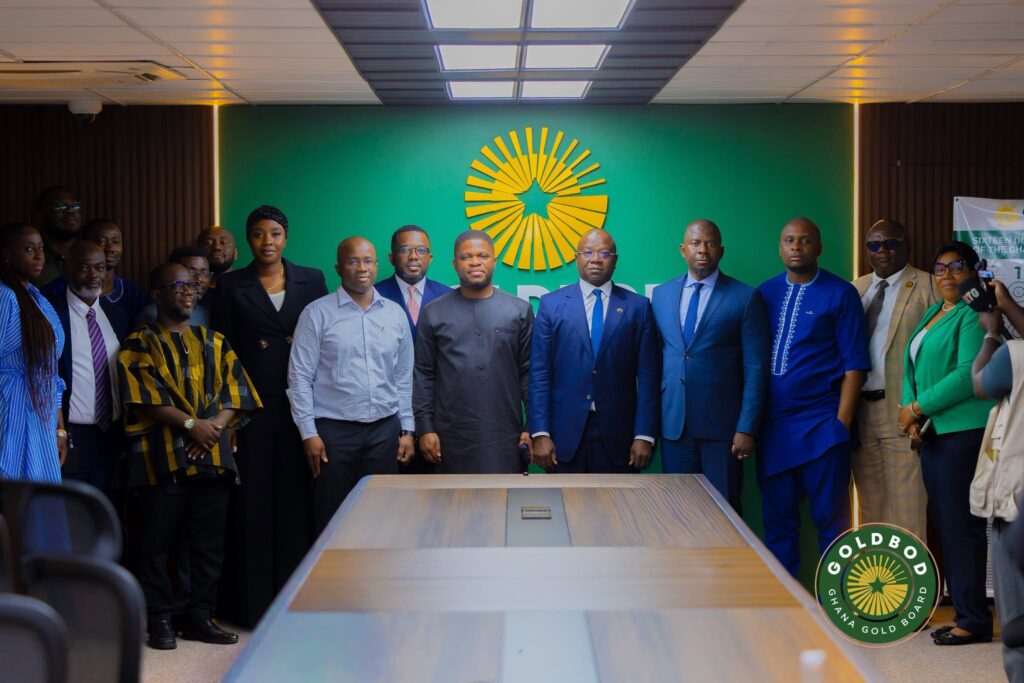
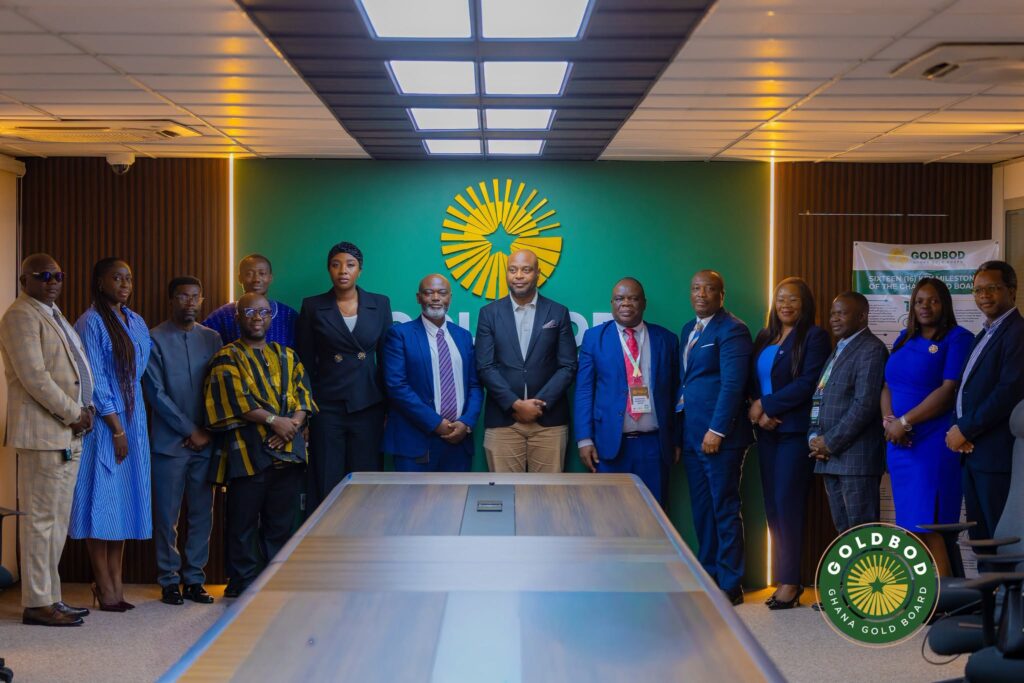
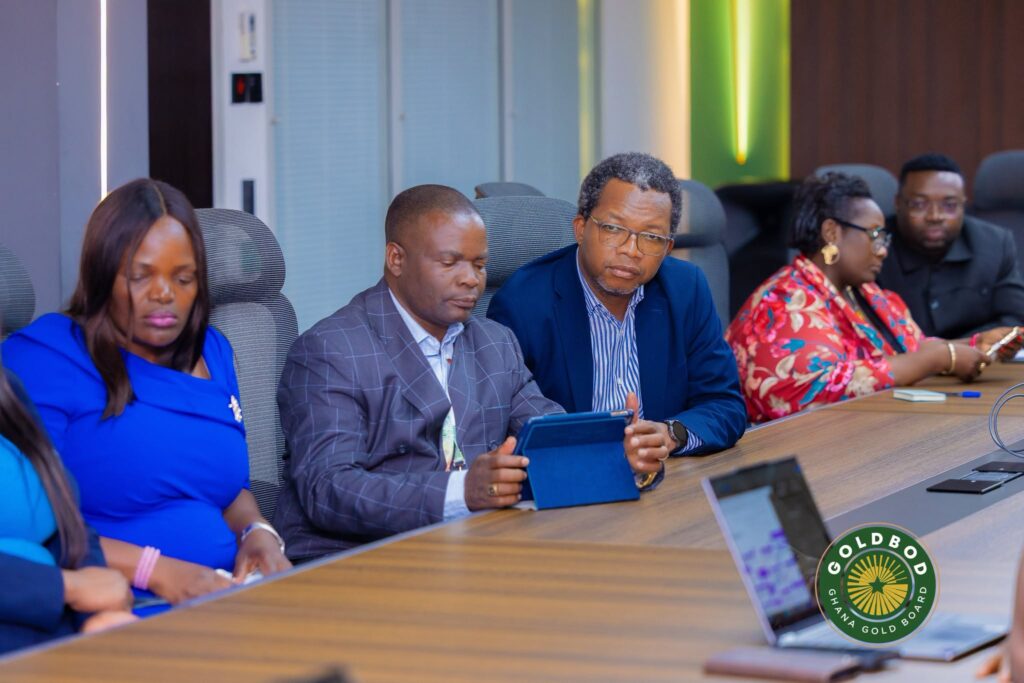
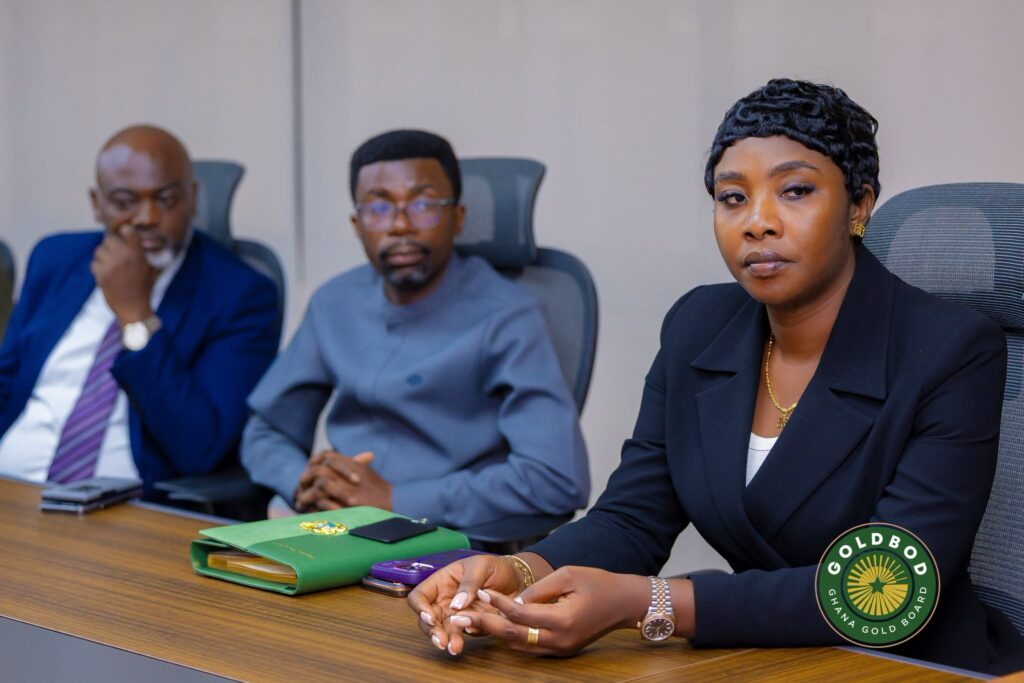
A delegation from Malawi, led by the country’s Minister for Mines, Thokozani Tembo, recently visited GoldBod to study Ghana’s approach to licensing, gold pricing, regulation and efforts to combat smuggling.
During the engagement, GoldBod’s Director of Responsible Mining and Sustainability, Professor Ishmael Quaicoe, outlined the Board’s regulatory framework and highlighted the contribution of artisanal and small-scale gold to Ghana’s export earnings.
According to figures presented during the engagement, approximately 104 tonnes of artisanal and small-scale gold were mobilised in 2025, generating about US$10.8 billion in gross export proceeds.
The discussions also examined the importance of competitive pricing and financing arrangements in encouraging miners and traders to use official channels.
Malawi’s delegation expressed interest in learning from Ghana’s experience as it considers ways to strengthen its own gold-trading and regulatory systems.
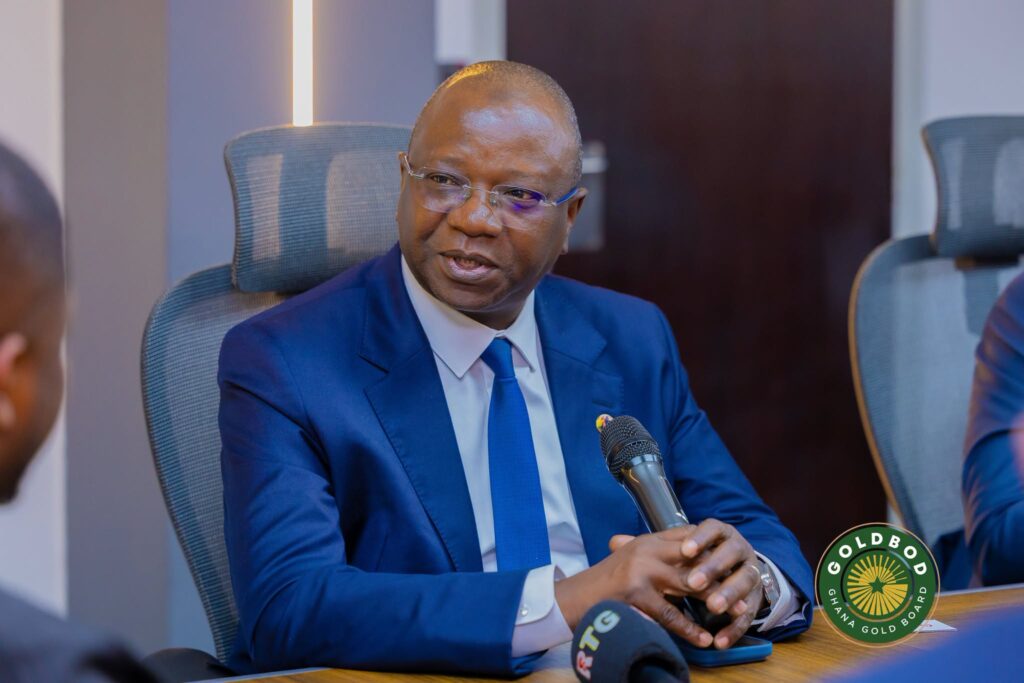
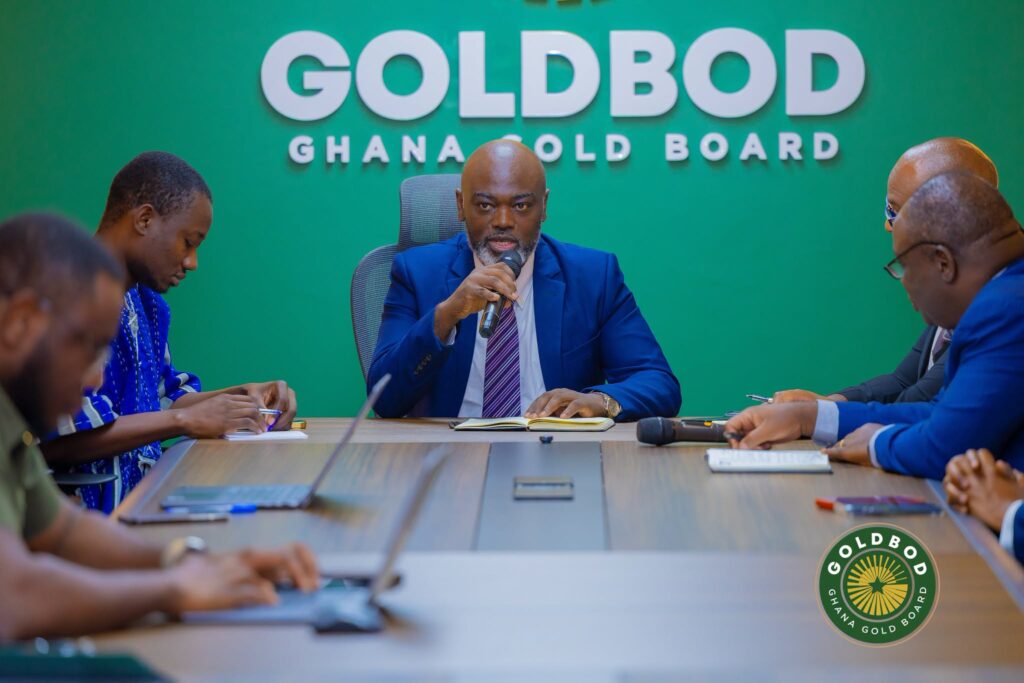
GoldBod has also held discussions with a delegation from Guinea led by the country’s Minister for Mines and Geology.
The delegation met Mr Gyamfi and other GoldBod officials to exchange experiences on gold pricing, financing, regulation and foreign-exchange mobilisation.
Mr Gyamfi outlined Ghana’s approach to formalising the gold trade, including pricing arrangements, financing mechanisms and regulatory safeguards intended to strengthen the formal market.
The engagement highlighted the potential benefits of cooperation between African countries as they seek to improve oversight of mineral resources, reduce illicit trading and retain more economic value from gold production.
For GoldBod, the visits from Malawi and Guinea provide opportunities to share Ghana’s experience and discuss approaches that other countries could adapt to their own circumstances.
Alongside formalisation, GoldBod is working to strengthen the traceability of gold from its source through the supply chain.
The Board has outlined plans for a system that would track gold from its mine of origin through custody, aggregation and processing to purchase and export. The system is intended to help distinguish responsibly sourced gold from supplies potentially linked to illegal mining.
Effective traceability could support compliance monitoring, improve transparency and strengthen confidence in Ghanaian gold among international buyers.
It would also complement efforts to ensure that gold entering formal trading channels comes from sources that meet the relevant legal requirements.
The debate surrounding unlicensed small-scale mining highlights the challenge facing policymakers: how to create legal economic opportunities for miners while protecting Ghana’s forests, rivers, communities and public health.
Mr Gyamfi’s position is that formalisation, training and financing should be used to help eligible operators transition into responsible mining, while environmentally destructive or dangerous operations remain outside that pathway.
The planned financing support programme and ongoing work on traceability are intended to support this wider objective.
Ultimately, the success of the approach will depend on effective licensing, compliance monitoring, access to appropriate technology and the enforcement of environmental standards.
For Ghana, the challenge is to ensure that formalisation creates genuine opportunities for responsible miners without weakening action against illegal mining or compromising the protection of the country’s natural resources.
African360 News will continue to follow developments in Ghana’s mining reforms, GoldBod’s initiatives and efforts to promote responsible mineral production.
African360 WhatsApp Channel for more News update: https://whatsapp.com/channel/0029Vb7Oc6nGk1FpdCN0xn44