Physical Address
304 North Cardinal St.
Dorchester Center, MA 02124
Physical Address
304 North Cardinal St.
Dorchester Center, MA 02124

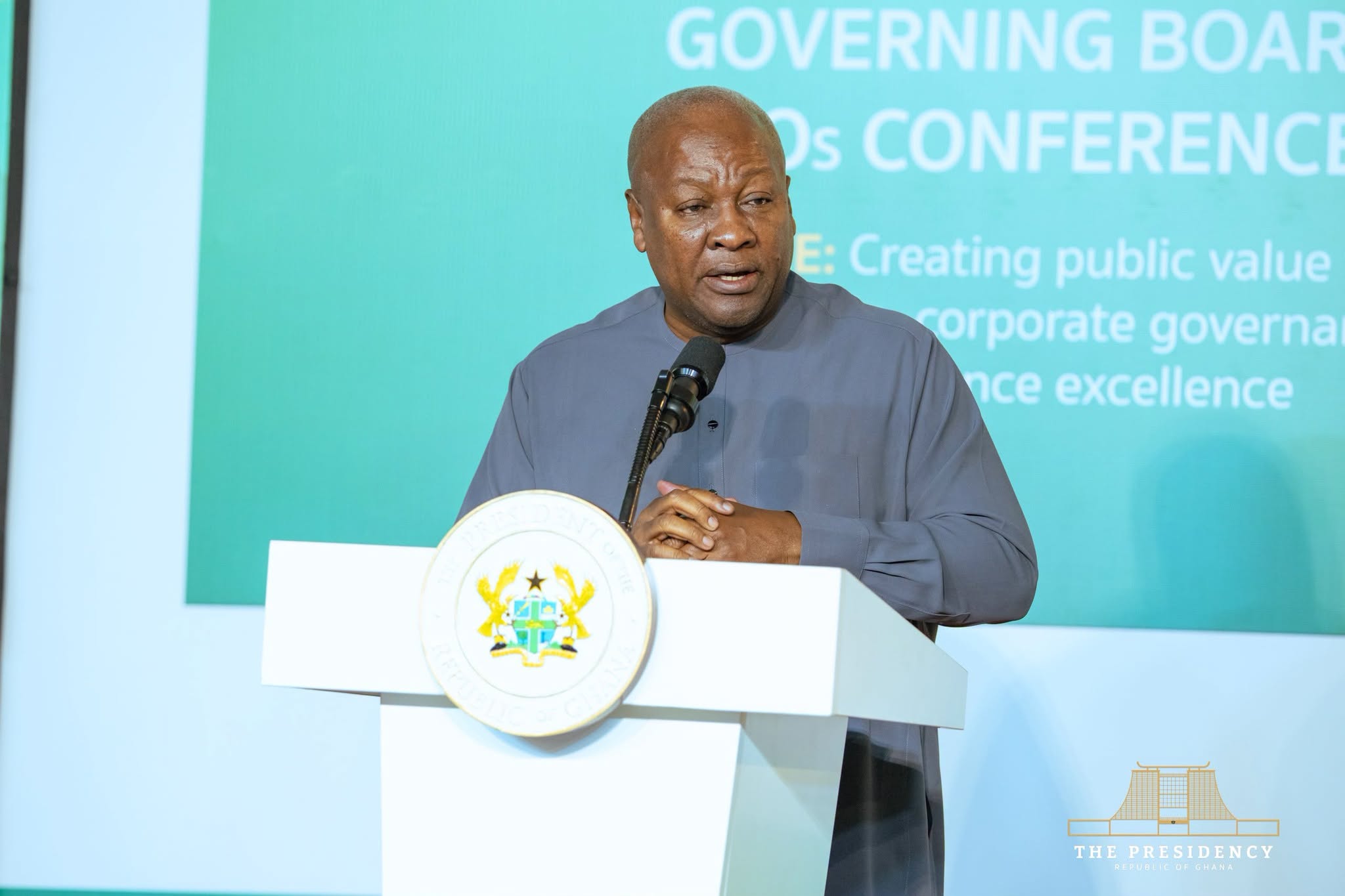
President John Dramani Mahama has issued a strong warning to boards and management of Ghana’s State-Owned Enterprises (SOEs), telling them to stop using public funds to finance personal benefits while taxpayers carry the burden.
The President said state-owned companies must remember that the assets and profits under their management ultimately belong to the people of Ghana.
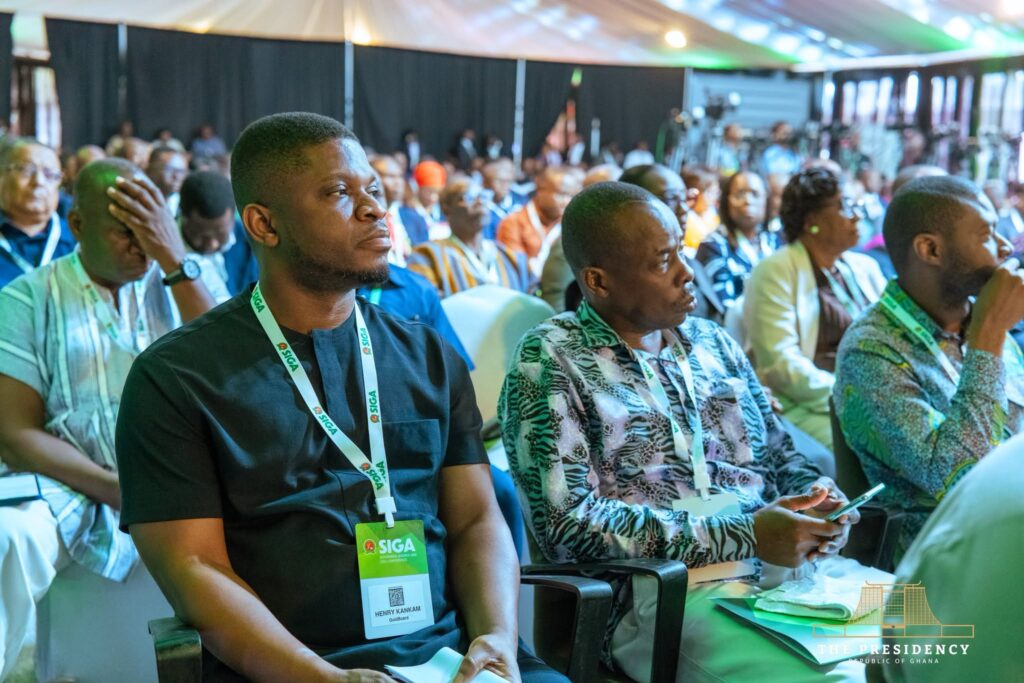
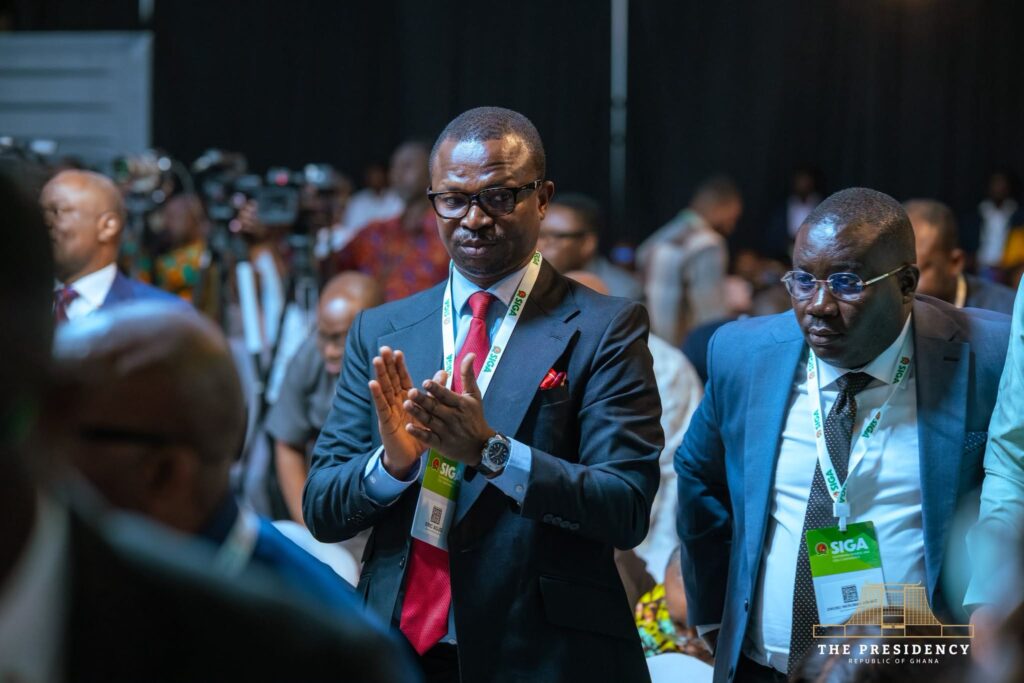
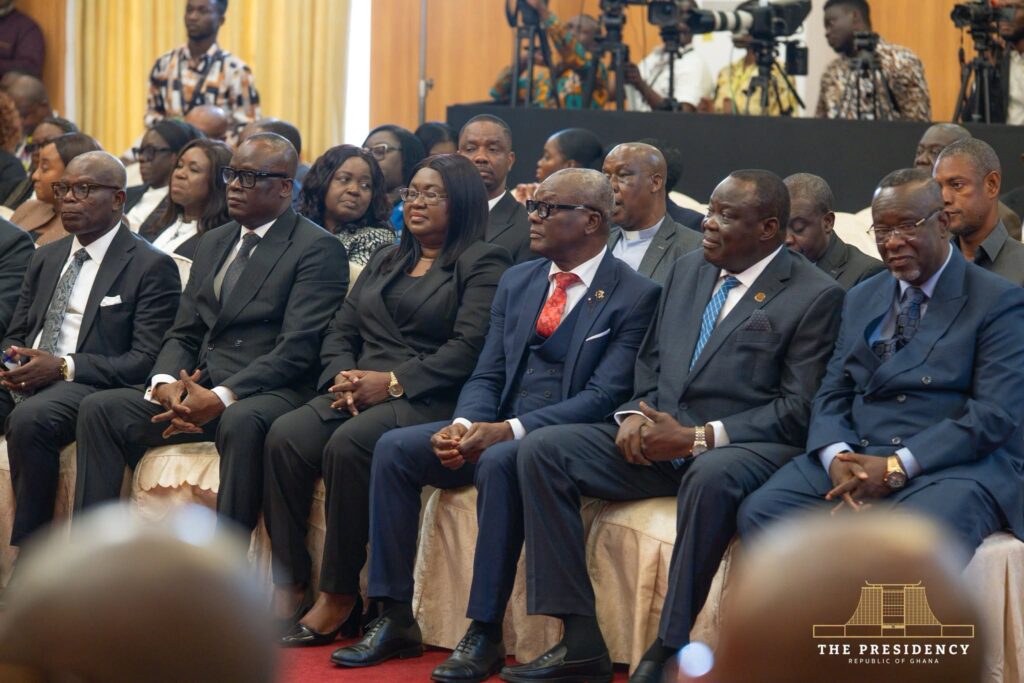
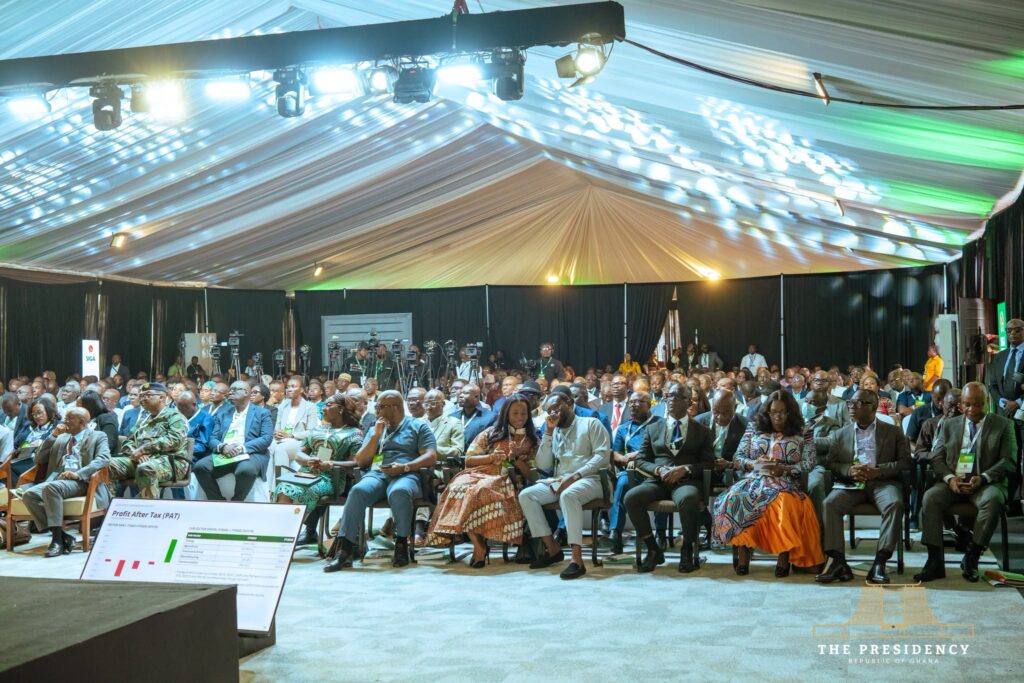
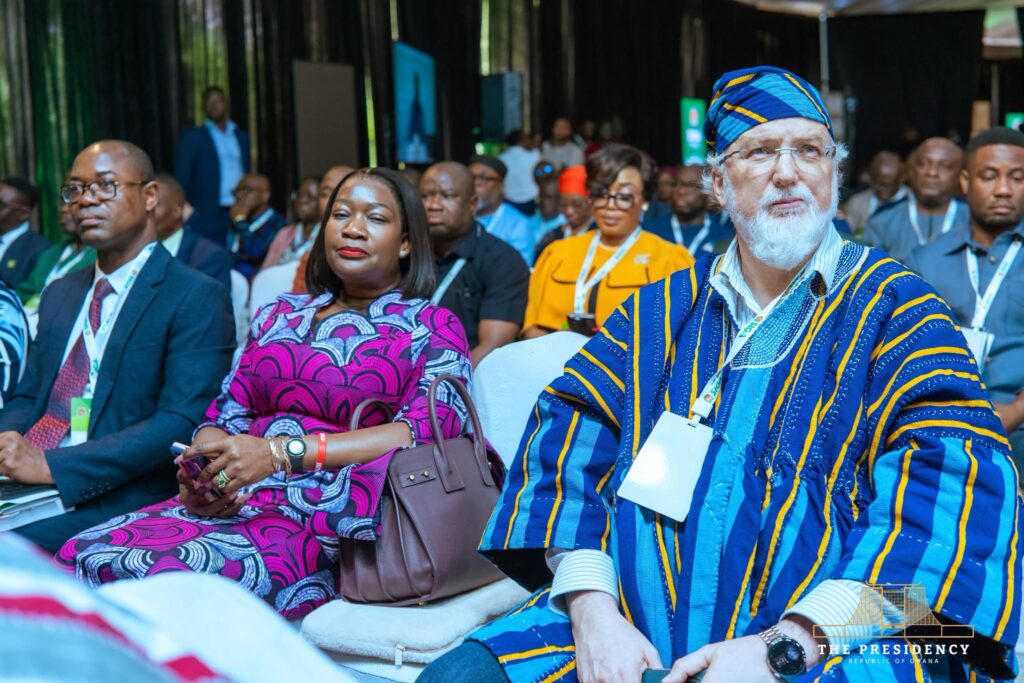
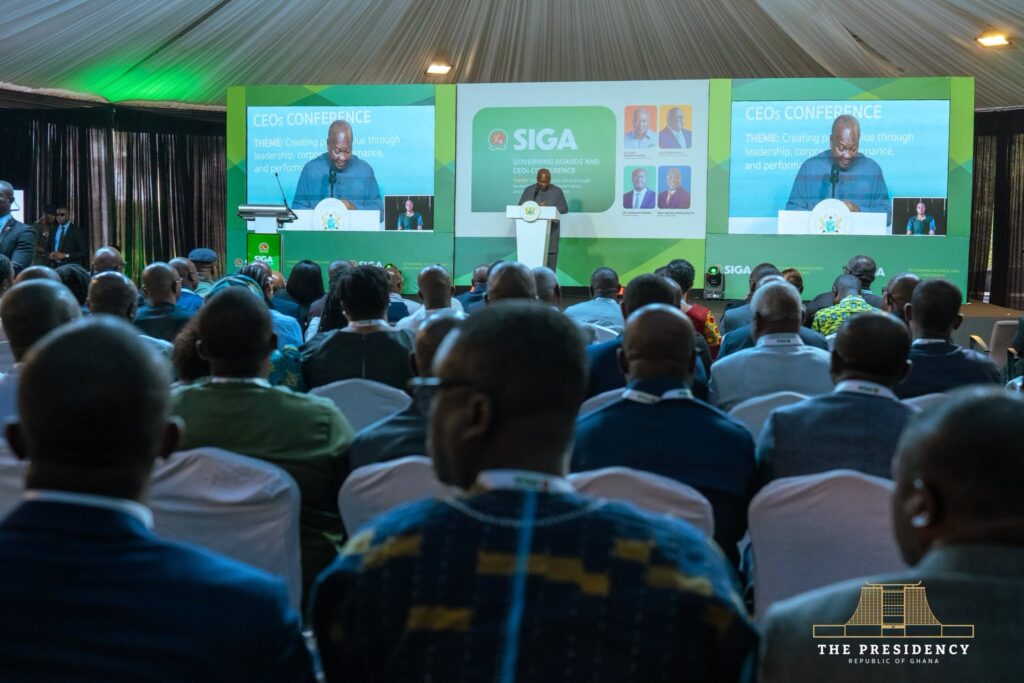
Speaking at the 2026 Governing Boards and CEOs Conference organised by the State Interests and Governance Authority (SIGA) on Thursday, September 10, President Mahama challenged SOE leaders to focus on efficiency, accountability and measurable value creation.
“You must not use profits that rightly belong to the Ghanaian people to finance the creature comforts of management and boards,” President Mahama said.
His remarks come at a time when the government is highlighting a significant improvement in the overall financial performance of Ghana’s state-owned enterprises.
According to President Mahama, the aggregate financial position of SOEs improved dramatically between 2024 and 2025.
State-owned enterprises reportedly moved from an aggregate net loss of GH¢2.26 billion in 2024 to a net profit of GH¢19.8 billion in 2025.
Their combined revenue also increased from GH¢137.71 billion in 2024 to GH¢176.43 billion over the same period.
The President described the improvement as encouraging but cautioned against interpreting one year of stronger financial results as proof that the problems within the SOE sector had been solved.
He noted that approximately GH¢11.72 billion in net foreign exchange gains, together with a 42.5 per cent reduction in aggregate finance costs, contributed significantly to the improvement.
“Our task is therefore to convert this favourable financial relief into sustained operational efficiency and stronger underlying performance,” he said.
According to President Mahama, the real measure of success will be whether state-owned companies can maintain their improved performance in the years ahead.
“A one-year turnaround is encouraging, but sustained performance is the real test.”
President Mahama also reminded profitable state-owned enterprises of their responsibility to pay dividends to the government.
He said returns from public investments ultimately belong to the Ghanaian people and should therefore contribute to national development.
“Profitable enterprises must also meet their dividend obligations. The returns on public investment ultimately belong to the people of Ghana,” he said.
The President, however, acknowledged that SOEs may need to retain some earnings for expansion and investment.
But he insisted that retained earnings should be supported by credible investment plans capable of strengthening the companies and generating long-term value.
In other words, keeping profits within an SOE should not become an excuse for unnecessary spending.
One of the strongest messages from the conference centred on expenditure by boards and management.
President Mahama directed SOE leadership to scrutinise major expenditures and determine whether they were necessary, economical and consistent with the mandate of their institutions.
He warned against spending that benefits executives and board members without producing corresponding value for the institutions or the public.
The President said state assets are not personal property and those appointed to manage them are merely custodians.
“A board is not a ceremonial position. A membership is not an entitlement,” he said.
He stressed that boards have responsibility for strategic direction, policy, risk oversight, financial reporting and overall institutional performance.
President Mahama also made it clear that SOE leaders will be judged by measurable targets.
Boards and chief executives are expected to meet clearly defined financial, operational, governance and development objectives.
He warned that persistent underperformance could result in corrective measures and, where necessary, changes in leadership.
“Persistence in underperformance will trigger corrective action, and where necessary, leadership changes,” he said.
The warning places greater responsibility on boards and CEOs to demonstrate that their appointments are producing results.
President Mahama challenged SOE managers to change the way they define success.
For years, some state institutions have struggled financially while continuing to operate, pay salaries and meet basic obligations.
But the President argued that simply keeping an organisation alive should not be considered sufficient.
“For far too long, some state entities have defined success as mere survival.”
He said paying salaries, keeping the lights on and meeting routine obligations are necessary, but they do not by themselves demonstrate success.
Instead, every board chairperson and chief executive should be able to answer a simple but important question:
“What additional value did our entity create this year?”
The answer, he said, should be visible through profits, job creation, infrastructure, improved service delivery, stronger national capacity or better experiences for Ghanaian citizens.
President Mahama cited several state-owned enterprises that recorded substantial improvements in 2025.
Tema Oil Refinery (TOR) reportedly moved from a net loss of approximately GH¢745 million to a net profit of about GH¢1.09 billion.
The Ghana Water Company Limited also moved from a loss of approximately GH¢3.06 billion to a profit of about GH¢635 million.
The Ghana Cocoa Board (COCOBOD) recorded another major turnaround, moving from a loss of approximately GH¢5.73 billion to a profit of GH¢5.11 billion.
Meanwhile, BOST increased its net profit from approximately GH¢398 million to GH¢684 million.
GoldBod also recorded a net profit of about GH¢896.5 million, compared with approximately GH¢178.5 million in 2024.
These figures provide evidence of significant improvement across parts of the state-owned enterprise sector.
However, the President cautioned that the government must look beyond headline profits and examine the underlying causes of those improvements.
Despite the encouraging figures, President Mahama acknowledged that significant challenges remain.
He said five SOEs recorded losses in every year between 2021 and 2025.
Other state entities collectively recorded an aggregate deficit of approximately GH¢10.48 billion in 2025.
The figures highlight the uneven performance across Ghana’s state-owned enterprise sector.
While some institutions have returned to profitability, others continue to require major reforms.
That, according to the President, makes stronger oversight and accountability necessary.
The President also called for a stronger connection between executive compensation and institutional performance.
He argued that high-performing public enterprises and their leaders should be appropriately rewarded.
However, he questioned the justification for continually increasing salaries and allowances in institutions that consistently record losses.
“It is not fair to your shareholders to have salaries and allowances systematically increased even in chronically loss-making enterprises.”
The message is particularly significant because the government is seeking to improve the financial position of state institutions while reducing pressure on public finances.
Another important issue raised by President Mahama is how profitable SOEs use their earnings.
Retaining profits can make sense when an enterprise has a clear plan to invest in infrastructure, technology, expansion or other initiatives that will increase future returns.
But retained earnings without a credible investment strategy could become an avenue for unnecessary expenditure.
The President therefore wants boards to ensure that money retained by SOEs is connected to tangible plans and long-term value creation.
President Mahama’s warning sends a message that many Ghanaian taxpayers will understand.
State-owned enterprises are ultimately public assets.
When an SOE makes money, the benefits should not be limited to executives and board members. The wider Ghanaian public should see the value through dividends, better services, jobs, infrastructure and stronger national institutions.
At the same time, accountability cannot stop at executives’ allowances and board perks.
The government must also address the deeper problems that cause some SOEs to lose money year after year.
That means looking seriously at procurement, political interference, operational inefficiencies, debt, staffing, management quality and governance.
If an SOE is making billions in losses, simply changing a few allowances will not solve the problem.
Likewise, if another state enterprise is profitable, the government must ensure that its success is sustainable rather than dependent on temporary financial conditions.
The most important question should therefore remain the one President Mahama posed:
What value are state-owned enterprises creating for the Ghanaian people?
That question should apply to every boardroom, every chief executive and every public institution managing taxpayer assets.
The President’s message suggests that the government wants a new culture in the management of state-owned enterprises — one where performance matters, public assets are treated as public property and leadership comes with measurable responsibility.
For ordinary Ghanaians, the expectation is simple.
They want public institutions that deliver.
They want profitable state companies to contribute to national development.
They want struggling institutions to be reformed instead of endlessly supported by taxpayers.
And they want those entrusted with public resources to understand that board appointments and executive positions are responsibilities — not opportunities for personal privilege.
The challenge now is implementation.
If the government’s tougher approach to SOE governance is sustained, Ghana could see a more disciplined and commercially focused state enterprise sector.
But as President Mahama himself acknowledged, one year of improved financial results is not enough.
The real test will be whether the improvement can be sustained.