Physical Address
304 North Cardinal St.
Dorchester Center, MA 02124
Physical Address
304 North Cardinal St.
Dorchester Center, MA 02124


Morocco’s appointment of Fatima Ezzahra El Mansouri as its first female prime minister has made history, but the landmark decision has reignited debate over women’s leadership, religious traditions and the future of gender equality in the North African kingdom.
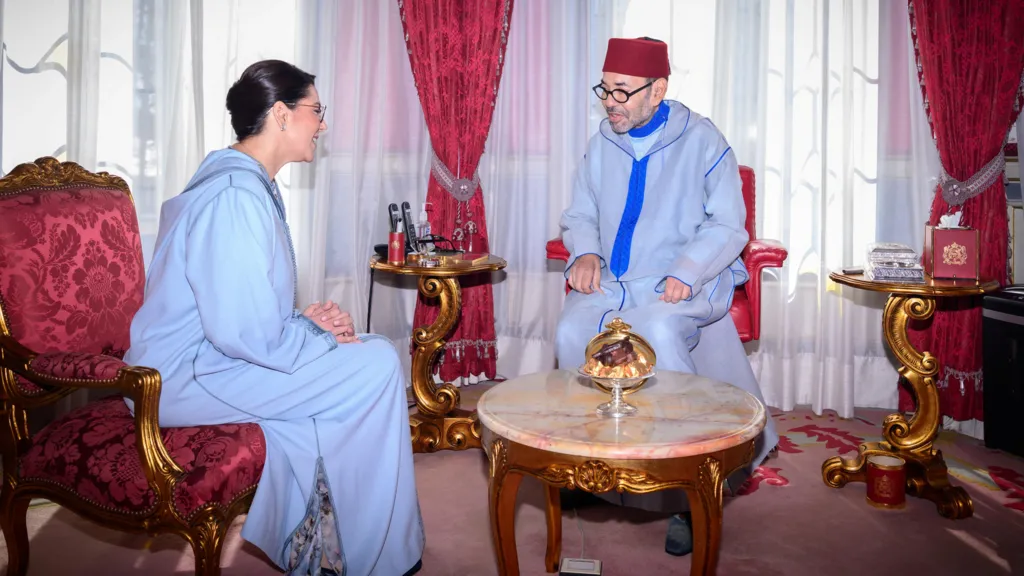
El Mansouri was appointed by King Mohammed VI on September 29, 2026, after her Authenticity and Modernity Party (PAM) emerged as the largest party in the country’s parliamentary election. Her government was sworn in on October 16, marking a historic moment for women’s political representation in Morocco.
However, her appointment has also exposed persistent disagreements over whether women should hold the country’s highest government office and whether the new administration will pursue reforms to improve women’s rights.
The debate intensified after Mustafa Ramid, a former justice minister who served in an Islamist-led government, cited a religious saying commonly translated as “a people who entrust their affairs to a woman will never succeed” in a lengthy Facebook post questioning women’s leadership.
Ramid argued that Morocco had maintained a balance between equality and state leadership, noting that the monarchy’s highest office remained reserved for men.
His comments reflect a wider debate over the relationship between religious interpretations, political authority and women’s participation in public life. The views expressed by individual religious or political figures do not necessarily represent the positions of all Moroccan Muslims.
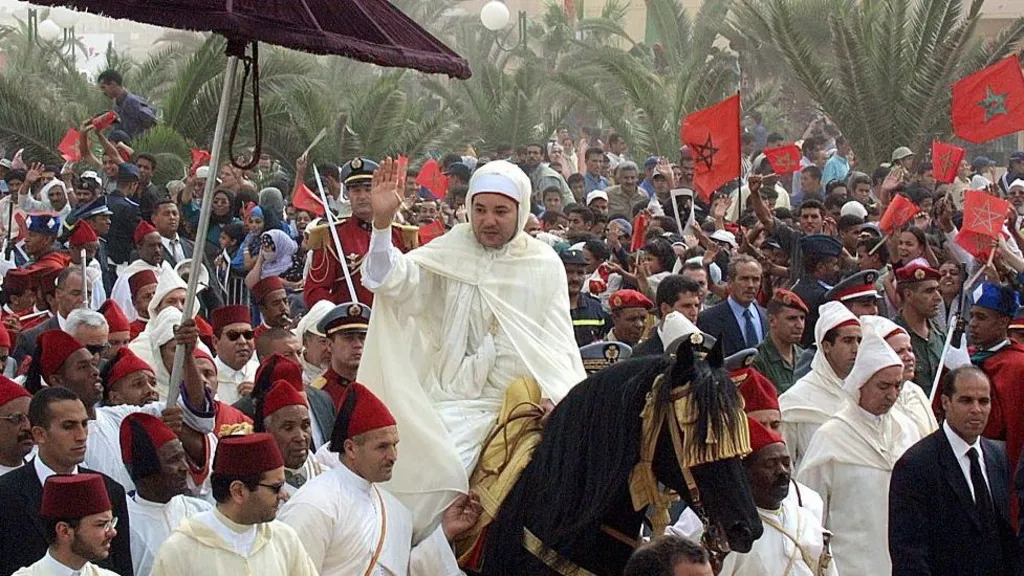
Morocco is a constitutional monarchy in which the king retains significant authority over strategic matters, including defence and foreign affairs. The head of government leads the administration but operates within a political system where power is shared with the monarchy.
Public reactions to El Mansouri’s appointment have varied. Some Moroccans have welcomed the development as a breakthrough for women, while others have expressed reservations about having a woman lead the government.
The appointment has also attracted online satire, including videos shared with captions imagining how women might behave during political disagreements. Such content reflects the debate surrounding the appointment but does not necessarily represent public opinion as a whole.
For many younger Moroccans, particularly women, the historic nature of the appointment has raised hopes that the country could make further progress on gender equality.
Yet the key question is whether the change at the top of government will translate into policies that improve women’s daily lives.
One of the most significant challenges facing the new government is the reform of Morocco’s family code, known as the Moudawana, which regulates marriage, divorce, child custody and inheritance.
Proposals to reform the code have prompted debate over women’s rights and the role of Islamic jurisprudence in family law.
Under existing inheritance rules, a daughter typically receives half the share of a son in comparable circumstances. The Higher Council of Ulemas, Morocco’s official body of religious scholars, has resisted calls for equal inheritance and opposed proposals to abolish taasib, a rule that can require some female orphans without brothers to share inheritance with male relatives.
Morocco’s National Human Rights Council has previously warned that unequal inheritance rules can contribute to women’s economic vulnerability.
Polygamy is also permitted under certain legal conditions. Proposed family-code changes have included provisions that would allow women to stipulate in marriage contracts that their husbands cannot take another wife. However, proposed exceptions have attracted criticism from women’s rights advocates concerned about privacy and medical confidentiality.
A package of family-code reforms was announced in 2024, but the proposals had not become law by the time El Mansouri took office.
The new administration’s approach to these reforms will be an important indicator of whether the country’s historic leadership change will be accompanied by changes to the legal and social conditions affecting women.
Education is another major concern for women’s rights advocates.
According to figures cited in the supplied report from Morocco’s High Commission for Planning, only 55 per cent of girls aged 15 to 17 in rural areas were attending school in 2025, compared with 100 per cent in urban areas.
Poverty, early marriage, long distances to schools and inadequate transport can make continued education difficult for girls in rural communities.
Young women have also called for better access to menstrual health products in schools, arguing that affordability and social stigma can contribute to absenteeism and school dropout.
Improving girls’ access to education and ensuring that young women can participate fully in economic life are among the broader challenges facing Morocco’s new government.
El Mansouri has substantial political experience. She has served as mayor of Marrakech, held parliamentary office and was minister responsible for national territory planning, urban planning, housing and city policy in the previous government.
After her appointment, she described the moment as a milestone for Moroccan women, saying it was a source of pride for the entire kingdom.
However, she has not yet outlined a clear programme for advancing reforms to inheritance rules, polygamy or the Moudawana. Her room for manoeuvre will also be shaped by the monarchy’s constitutional powers, the coalition government and the influence of religious institutions.
Some women’s rights advocates have welcomed the appointment while warning that a woman holding high office does not automatically make her a champion of gender equality.
The composition of the new government also raises questions about representation. Although El Mansouri is the first woman to lead Morocco’s government, women remain a minority in the cabinet, and the number of women holding full ministerial portfolios is limited.
For many Moroccan women, the significance of El Mansouri’s premiership will ultimately be measured not only by the historic nature of her appointment but by whether her administration delivers concrete improvements in legal equality, education and economic opportunity.
The milestone has opened a new chapter in Moroccan politics. Whether it leads to wider social reform remains to be seen.
African360 WhatsApp Channel for more News update: https://whatsapp.com/channel/0029Vb7Oc6nGk1FpdCN0xn44