Physical Address
304 North Cardinal St.
Dorchester Center, MA 02124
Physical Address
304 North Cardinal St.
Dorchester Center, MA 02124
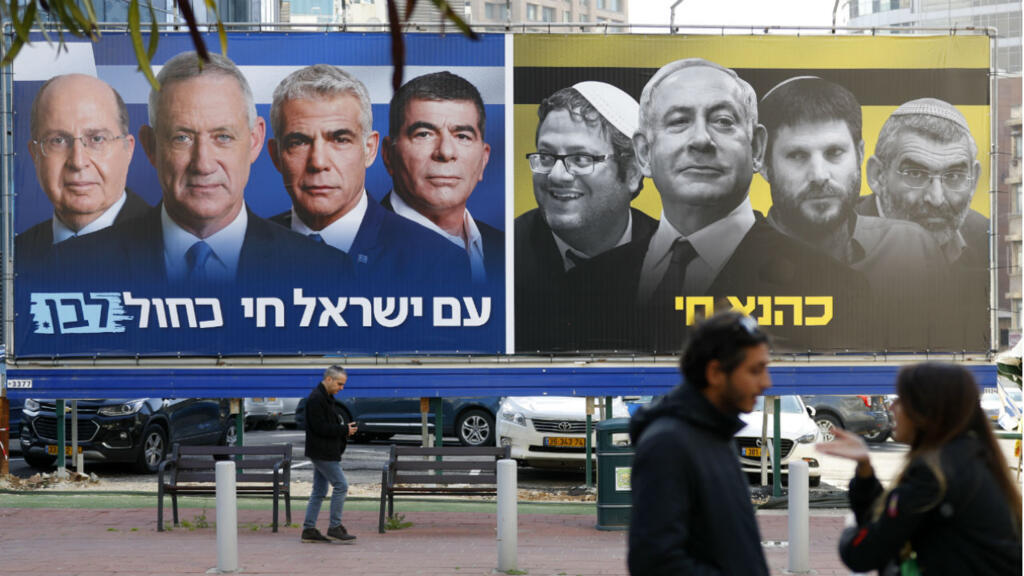
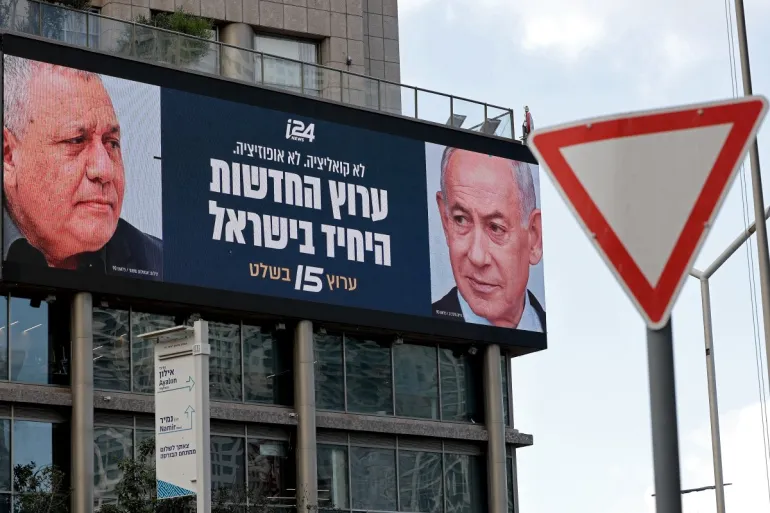
As Israelis prepare to vote on October 27, African governments are weighing how the election could affect their diplomatic relations, trade partnerships and security cooperation with Israel amid continuing divisions over the war in Gaza.
The outcome of Israel’s election could influence how the country engages with African nations, from governments that have strongly criticised its military campaign in Gaza to those seeking closer economic and strategic partnerships.
Prime Minister Benjamin Netanyahu’s Likud party and the wider coalition supporting him are competing against opposition parties in a race that could produce another difficult round of coalition negotiations.
Recent polling has suggested that neither major political bloc is consistently projected to secure the 61 seats needed for a majority in Israel’s 120-member Knesset. The results could therefore leave the composition and policies of the next government uncertain.
For African governments, the election presents an important foreign-policy question: will Israel seek to ease tensions over Gaza, or continue pursuing partnerships that have generated diplomatic opposition across parts of the continent?
South Africa has emerged as one of Israel’s most prominent critics in Africa since the war in Gaza began in October 2023.
Pretoria brought a case against Israel at the International Court of Justice (ICJ), alleging violations of the Genocide Convention. Israel rejects the allegations. The court has issued provisional measures in the case, but it has not yet delivered a final judgment on whether Israel committed genocide.
South Africa’s National Assembly also adopted a motion in November 2023 calling for the closure of Israel’s embassy and the suspension of diplomatic relations. The motion expressed the legislature’s position but did not, by itself, implement those measures.
Morocco has followed a different diplomatic path. It restored relations with Israel in 2020 under a US-brokered arrangement that also included Washington’s recognition of Moroccan sovereignty over Western Sahara.
Despite widespread public opposition to normalisation and repeated pro-Palestinian demonstrations, Rabat has continued to pursue closer relations with Israel.
On September 16, 2026, Israeli Foreign Minister Gideon Sa’ar and Moroccan Foreign Minister Nasser Bourita met in New York at a trilateral summit hosted by US Ambassador to the United Nations Mike Waltz.
The countries announced plans to upgrade their diplomatic missions to embassies, appoint ambassadors, expand direct flights and conclude agreements covering investment protection and double taxation. These were announced commitments, rather than confirmation that every measure had already been implemented.
The developments highlight the tension between Morocco’s strategic calculations and public opposition to normalisation.
The election could influence Israel’s willingness to adjust its regional diplomacy, but the future of these relationships will also depend on the priorities of individual African governments.
The dispute over Israel’s relationship with the African Union (AU) illustrates the difficulty of establishing a common continental position.
In July 2021, the chairperson of the AU Commission granted Israel observer status at the organisation. The decision prompted objections from several member states, including South Africa and Algeria.
In February 2022, the AU Assembly established an ad hoc committee of heads of state and government to consult on the matter. The disagreement reflected wider differences among member states over Israel’s treatment of Palestinians and the implications for the AU’s diplomatic position.
A new Israeli government could attempt to improve relations with the AU, but any change would depend on its policies and the willingness of member states to reach a common position.
The dispute also demonstrates why Israel’s ties with Africa cannot be understood as a single relationship. Individual countries have different diplomatic histories, economic priorities and security concerns.
Security cooperation remains an important element of Israel’s relationships with some African governments.
Countries facing armed groups, cross-border threats and other security challenges may seek foreign equipment, intelligence capabilities and training. Israeli companies have pursued opportunities in defence, surveillance and related technologies, although the scale and nature of these arrangements differ from country to country.
The Democratic Republic of the Congo (DRC) offers a recent example of efforts to deepen bilateral cooperation.
Congolese President Félix Tshisekedi visited Israel on August 31 and September 1, 2026, holding talks with Prime Minister Benjamin Netanyahu and President Isaac Herzog.
According to the Congolese presidency, discussions covered security, defence, agriculture, infrastructure, energy and high technology. The visit also provided an opportunity to review memorandums of understanding signed in July and explore investment opportunities linked to the Lobito Corridor.
The meetings demonstrated the breadth of cooperation both governments hope to develop. However, they do not establish that every proposed project or security arrangement has been finalised.
Whether the Gaza conflict affects these partnerships will depend on the countries involved, the terms of their agreements and the domestic political consequences of maintaining ties with Israel.
Israel’s recognition of Somaliland on December 26, 2025, has created another point of tension in its relations with African governments.
Somaliland declared independence from Somalia in 1991 but has long lacked broad international recognition. Israel’s decision to recognise it marked a significant departure from the position of Somalia’s federal government and many international organisations, including the AU.
The move prompted objections from Somalia and other governments concerned about the country’s territorial integrity.
Somali President Hassan Sheikh Mohamud has strongly opposed an Israeli presence in Somalia, including Somaliland. In an interview with Al Jazeera published on October 3, he alleged that Israel was planning to establish a naval base in Berbera and use the city’s airport. Those claims should be understood as the Somali president’s allegations, not as independently confirmed plans.
The dispute illustrates how diplomatic decisions can trigger wider regional concerns, particularly when they intersect with sovereignty, maritime security and the strategic importance of the Red Sea and Gulf of Aden.
It does not automatically mean that African governments will end their existing cooperation with Israel. The consequences are likely to vary according to each country’s interests and the political costs of maintaining the relationship.
Beyond diplomacy and security, Israel has sought to build partnerships across Africa in agriculture, irrigation, water management, healthcare and technology.
These sectors can be attractive to governments seeking investment and technical expertise, particularly where agricultural productivity, water access and digital infrastructure are national priorities.
The AU Commission’s own explanation of Israel’s observer status in 2022 noted that African states maintained a wide range of relationships with Israel, including cooperation in agriculture, education, defence, security, technology, health and finance.
Such interests can coexist with criticism of Israel’s policies towards Palestinians. Commercial partnerships do not necessarily indicate public approval of a government’s conduct in Gaza, just as public opposition does not automatically translate into a decision to sever diplomatic relations.
For Israel, the challenge will be maintaining or expanding these partnerships while responding to the diplomatic and reputational consequences of the Gaza conflict.
Public sentiment is another factor shaping Israel’s relationships across Africa.
In Morocco, demonstrations against normalisation have continued even as the government pursues closer diplomatic ties. In Somalia, opposition to Israel’s recognition of Somaliland has been tied to concerns about sovereignty and regional security.
These examples show how public opinion can complicate official foreign policy, particularly when the Palestinian question is central to domestic political debate.
The impact will not be uniform across the continent. Governments may face different levels of public pressure, and their responses will depend on their political systems, bilateral commitments and strategic priorities.
Israel’s election will not determine African policy towards Israel on its own. It could, however, influence the diplomatic environment in which those relationships develop.
A government that pursues changes to its approach to Gaza and the Palestinian question could create opportunities to ease tensions with some African states and improve engagement with regional institutions.
Conversely, continued policies that draw strong criticism could deepen existing disagreements, particularly among governments and publics that view Palestinian self-determination and international law as central to their foreign-policy positions.
At the same time, countries pursuing investment, agricultural technology, trade or security cooperation may continue to engage with Israel where they see practical benefits.
The central question is therefore not whether Africa will collectively turn towards or away from Israel. It is how individual governments will balance their diplomatic positions, public opinion and national interests as Israel enters a new political chapter.
African360 WhatsApp Channel for more News update: https://whatsapp.com/channel/0029Vb7Oc6nGk1FpdCN0xn44