Physical Address
304 North Cardinal St.
Dorchester Center, MA 02124
Physical Address
304 North Cardinal St.
Dorchester Center, MA 02124
Accra, Ghana — September 14, 2026: Ghanaians are set to observe Founder’s Day on Monday, September 21, 2026, as a statutory public holiday.
The Ministry of the Interior announced the holiday in a public notice issued on Monday, September 14, under the authority of Interior Minister Muntaka Mohammed-Mubarak.
The declaration means public institutions and businesses that observe statutory holidays will join the nation in commemorating the day.
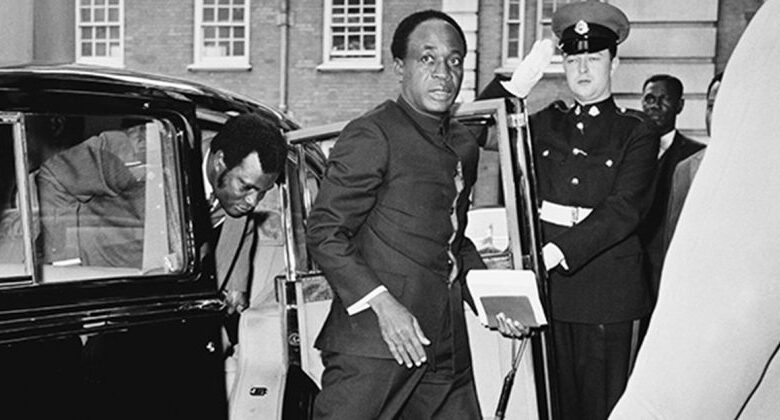
Founder’s Day is observed in honour of the birth of Dr Kwame Nkrumah, Ghana’s first President and one of the most influential figures in the country’s struggle for independence.
Born on September 21, 1909, Nkrumah played a central role in Ghana’s independence movement and became the country’s first Prime Minister following independence in 1957 before becoming President in 1960.
The day provides an opportunity for Ghanaians to reflect on the country’s independence journey, Nkrumah’s political legacy and the ideals that shaped the early vision of the Ghanaian state.
The observance of September 21 as Founder’s Day follows Parliament’s passage of the Public Holidays and Commemorative Days (Amendment) Bill, 2025.
The legislation restored September 21 to the statutory public holiday calendar, making it an official day of national commemoration.
The move has also renewed public discussion about how Ghana remembers its founding generation and the various personalities whose contributions shaped the country’s independence.
Beyond the break from work, Founder’s Day offers an opportunity to reflect on Ghana’s journey since independence and the responsibilities that come with building the nation.
For many Ghanaians, the legacy of Nkrumah remains closely connected to ideas of African unity, industrialisation, education, economic independence and national development.
As the country prepares to mark September 21, the occasion is expected to bring renewed attention to Nkrumah’s contribution to Ghana’s history and the broader question of how his ideals can inform the country’s future.
A national holiday is more meaningful when it becomes more than a date on the calendar.
Founder’s Day can serve as a moment for Ghanaians—particularly young people—to revisit the country’s history, understand the sacrifices that led to independence and ask an important question:
What kind of Ghana are we building for the next generation?
Nkrumah’s generation fought for political independence. The challenge for today’s generation is to deepen that independence through stronger institutions, economic opportunity, education, innovation and national unity.
September 21 should therefore be a day not only to remember Ghana’s past, but also to think seriously about its future.