Physical Address
304 North Cardinal St.
Dorchester Center, MA 02124
Physical Address
304 North Cardinal St.
Dorchester Center, MA 02124
African360 News | Africa News
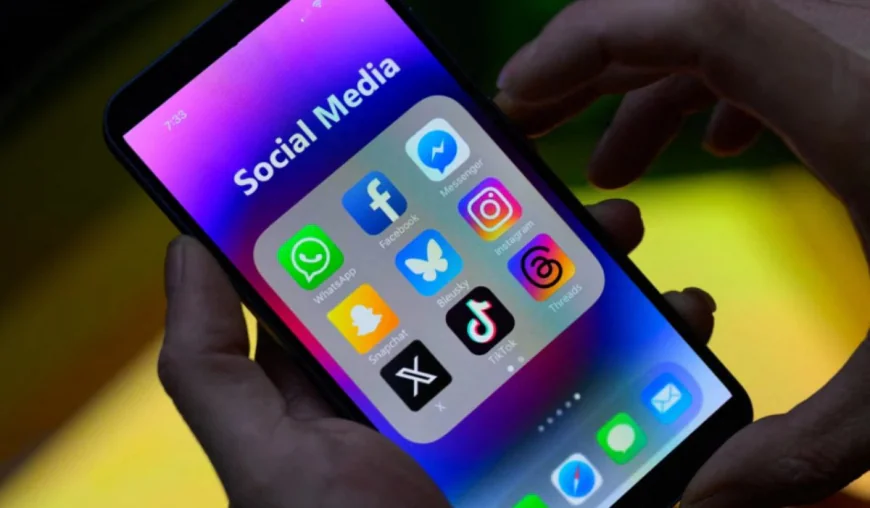
Gabon has lifted its eight-month suspension of social media platforms, restoring access following a controversial restriction that sparked criticism from opposition figures and raised concerns about freedom of expression.
The country’s High Communication Authority (HAC) announced the decision on Saturday, October 24, 2026, bringing an end to a suspension that had been imposed on February 17. The restrictions affected major platforms, including Facebook, TikTok, YouTube and Instagram, while WhatsApp services were also disrupted.
The regulator had initially justified the ban by arguing that online content was fuelling conflict, spreading harmful information and deepening divisions within the Central African nation.
However, the decision attracted widespread criticism, with opposition figures describing the suspension as an abuse of power.
The ban was introduced during a period of growing social unrest under President Brice Clotaire Oligui Nguema, who came to power following a military coup in August 2023.
The restrictions were imposed as teachers and civil servants staged strikes over what they described as low salaries and poor working conditions.
Authorities said the suspension was necessary to address online content they considered defamatory, hateful, misleading or threatening to national security and social cohesion.
The decision nevertheless disrupted communication for millions of people in a country where social media is widely used for personal communication, news, business and entertainment.
Some users turned to virtual private networks (VPNs) to continue accessing restricted platforms during the suspension.
The HAC said the decision to restore access followed changes to the legal framework governing social media and engagement with major technology companies.
According to the regulator, it has established cooperation arrangements with Meta, which owns Facebook and Instagram, as well as TikTok and YouTube. These arrangements include access to reporting tools intended to help identify and address illegal content.
The authority has called on social media users to behave responsibly and contribute to a safer, more constructive online environment that respects the rights of others.
The lifting of the suspension therefore marks a change in the authorities’ approach, with greater emphasis on regulating content and working with platforms rather than maintaining a nationwide shutdown.
However, the restoration of access does not mean that online activity will be free from regulation. The new legal framework and content-moderation arrangements may continue to shape how people use social media in Gabon.
The suspension faced criticism from opposition figures, who argued that blocking social media restricted freedom of expression and limited the public’s ability to communicate and exchange information.
The controversy also emerged against the backdrop of expectations for democratic reform following the 2023 military takeover that ended more than five decades of rule by the Bongo family.
Nguema subsequently won the 2025 presidential election with more than 90% of the vote, according to reported results. His rise to power had initially raised hopes among some citizens for political change and a transition towards constitutional rule.
The social media ban became another point of contention as the government faced pressure over economic concerns, labour disputes and civil liberties.
Social media platforms have become important tools for young people, entrepreneurs, small businesses and content creators across Gabon.
Platforms such as Facebook, Instagram and TikTok support advertising, customer communication, online sales and the promotion of local services. Restrictions can therefore affect not only personal communication but also commercial activity and access to information.
The restoration of access may help businesses reconnect with customers and allow users to resume normal communication through the affected platforms.
At the same time, the regulator’s stated commitment to closer cooperation with technology companies suggests that content moderation and online accountability will remain central to the country’s digital policy.
The lifting of the ban ends an eight-month period of social media restrictions, but questions remain about how the new regulatory arrangements will operate in practice.
For the government, cooperation with digital platforms is intended to address unlawful content and protect social cohesion. Critics, meanwhile, have raised concerns about the potential impact of restrictions on freedom of expression and access to information.
The effectiveness of Gabon’s new approach will depend on how the rules are implemented, how content decisions are handled and whether users can continue to access online services without broad restrictions.
For now, the restoration of social media access marks a significant development in Gabon’s digital and political landscape.
African360 News will continue to follow developments affecting internet access, digital rights and political reforms across Africa.
African360 WhatsApp Channel for more News update: https://whatsapp.com/channel/0029Vb7Oc6nGk1FpdCN0xn44