Physical Address
304 North Cardinal St.
Dorchester Center, MA 02124
Physical Address
304 North Cardinal St.
Dorchester Center, MA 02124
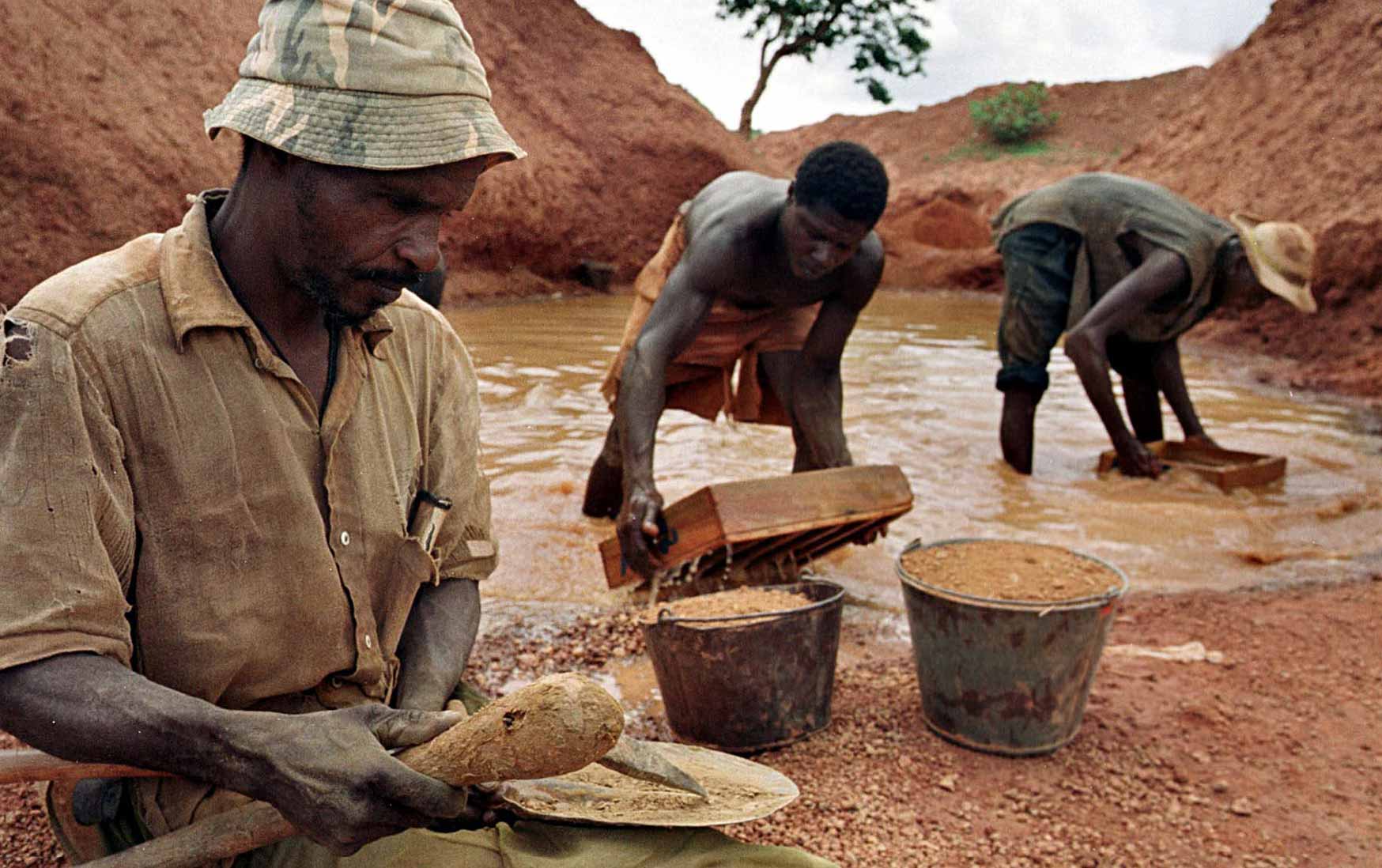
Africa’s vast reserves of cobalt, lithium, uranium, copper and gold are attracting growing interest from the United States, China and Russia, turning the continent into an increasingly important battleground for global economic and geopolitical influence.
From the cobalt-rich Democratic Republic of the Congo (DRC) to lithium-producing Mali and uranium-rich Niger, competition is extending beyond mining operations to include infrastructure, transport corridors, security partnerships and access to international markets.
China has established a strong position in mineral extraction, processing and infrastructure investment. Russia has expanded its influence through security partnerships, particularly in the Sahel, while the United States is pursuing new investment agreements and diplomatic relationships to secure access to strategic resources.
For African governments, the growing competition presents an opportunity to attract investment and negotiate better deals. But it also raises an important question: will the continent benefit from its mineral wealth, or remain a supplier of raw materials to powerful foreign economies?
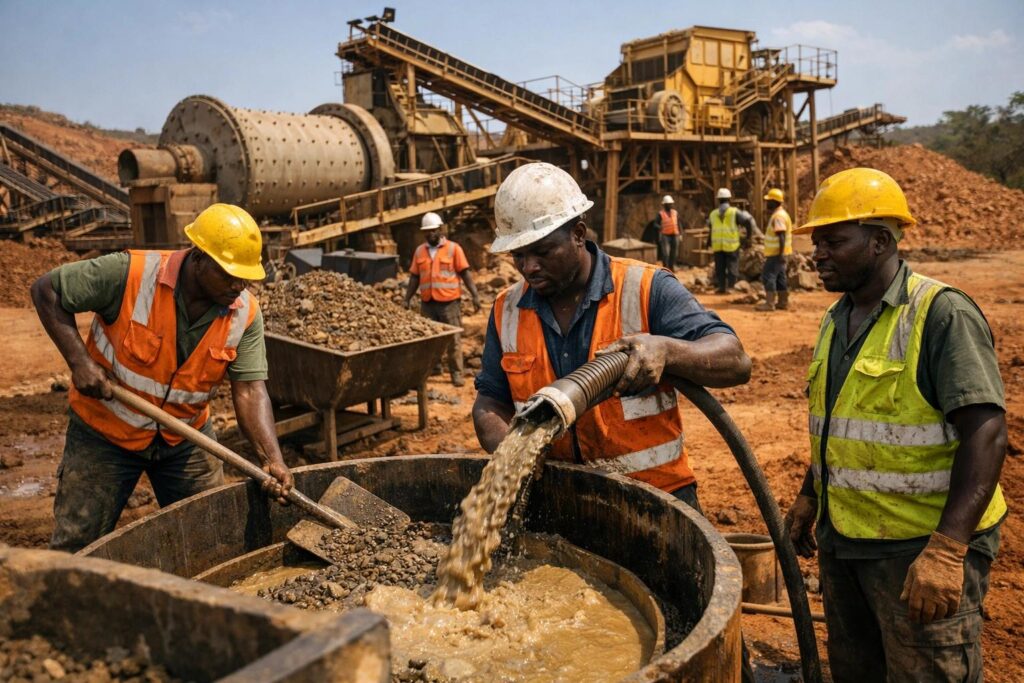
Africa possesses significant deposits of minerals essential to modern technology, renewable energy, electric vehicles, defence systems and industrial manufacturing.
Cobalt is particularly important in battery production, while lithium is a major component of rechargeable batteries. Uranium supports nuclear energy production, and copper is essential for electricity networks, construction and electronic equipment.
The United States has increasingly treated access to critical minerals as a national security and economic priority because of China’s influence over several global supply chains.
In February 2026, US President Donald Trump announced Project Vault, a $12 billion strategic critical minerals stockpile designed to protect American manufacturers from supply disruptions and reduce dependence on foreign suppliers. The initiative combines a $10 billion loan from the US Export-Import Bank with nearly $2 billion in private-sector investment.
China, meanwhile, has spent decades building commercial relationships across Africa, investing in mining, processing facilities, railways, ports and other infrastructure.
Trade between China and Africa reached a record $348.05 billion in 2025, according to Chinese customs figures, reinforcing Beijing’s position as the continent’s largest trading partner.
Russia’s approach has been different. Although its commercial footprint is smaller than China’s, Moscow has strengthened its influence through military cooperation and security agreements, particularly with governments in the Sahel.
Its Africa Corps, established under Russia’s Ministry of Defence in 2023, has assumed many of the operations previously associated with the Wagner Group.
Gold has also become strategically important to Moscow, with a 2024 RAND Europe study commissioned by the UK Foreign Office identifying the precious metal as a significant feature of Russia’s engagement in Africa.
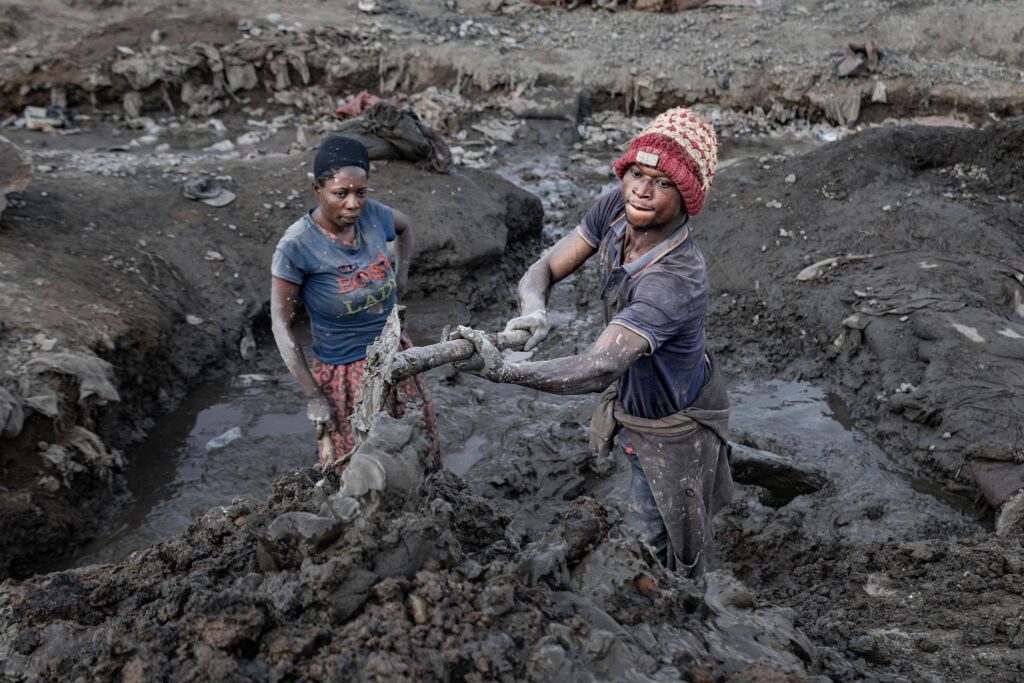
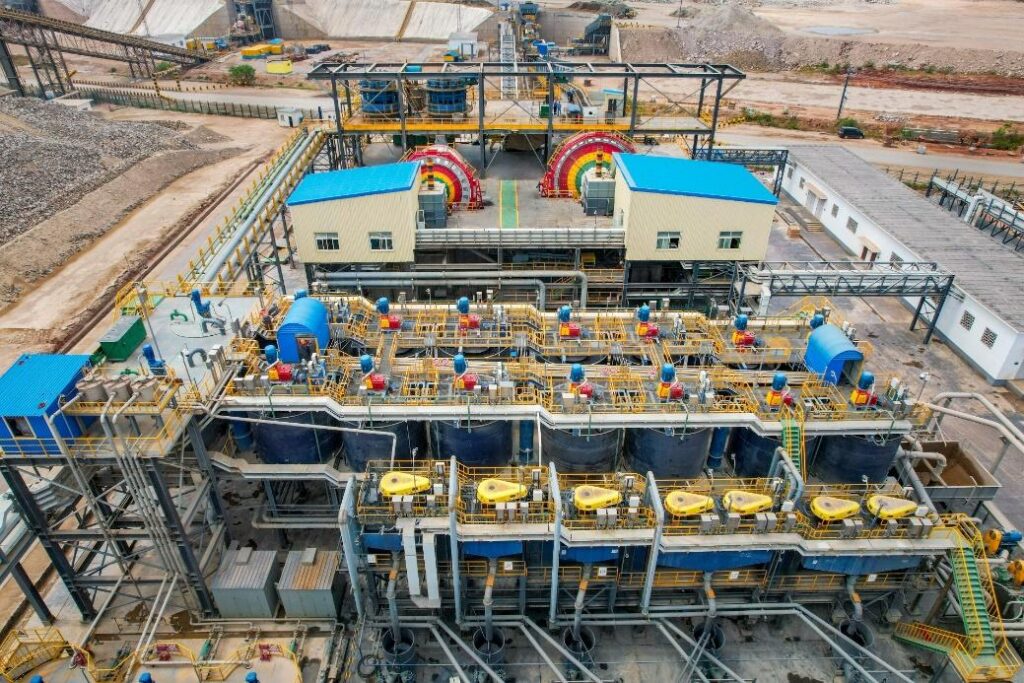
The Democratic Republic of the Congo occupies a central position in the global competition because of its extraordinary cobalt resources.
According to the US Geological Survey’s 2026 Mineral Commodity Summaries, the DRC accounted for an estimated 73 per cent of global mined cobalt production in 2025, making it the world’s largest producer.
Chinese companies have established a substantial presence in the country’s mining industry, owning or holding stakes in several major copper and cobalt operations.
China also dominates global refined cobalt production, giving it considerable influence over the supply chain beyond the extraction of minerals.
Washington is now seeking to expand its position.
In December 2025, the United States and the DRC signed a strategic partnership agreement covering critical minerals, infrastructure, governance and economic development.
The agreement includes provisions for a Strategic Minerals Reserve, improved access to mineral supplies for American investors and cooperation on the Lobito Corridor. It also establishes a framework through which designated mining opportunities can be presented to US and eligible partner investors.
However, signing an agreement does not automatically translate into completed investments.
In November 2026, Congolese officials called for faster implementation of the partnership, highlighting the need for tangible projects that deliver economic benefits.
Kinshasa wants foreign investment to support domestic processing, electricity supply, employment and industrial development rather than simply increasing exports of unprocessed minerals.
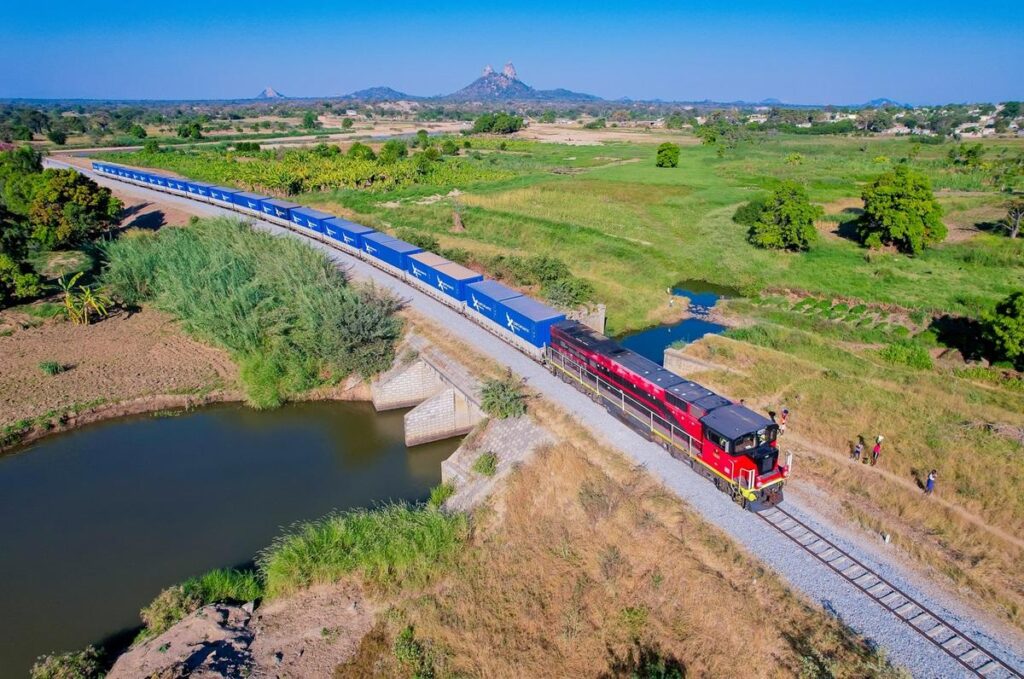
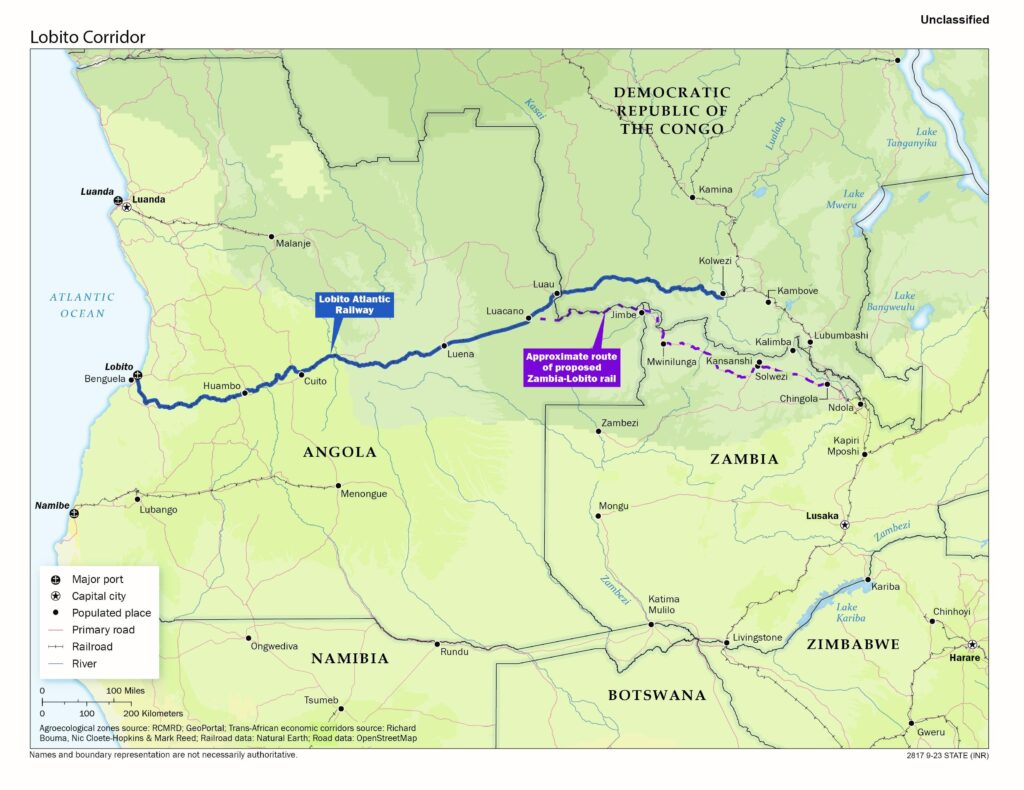
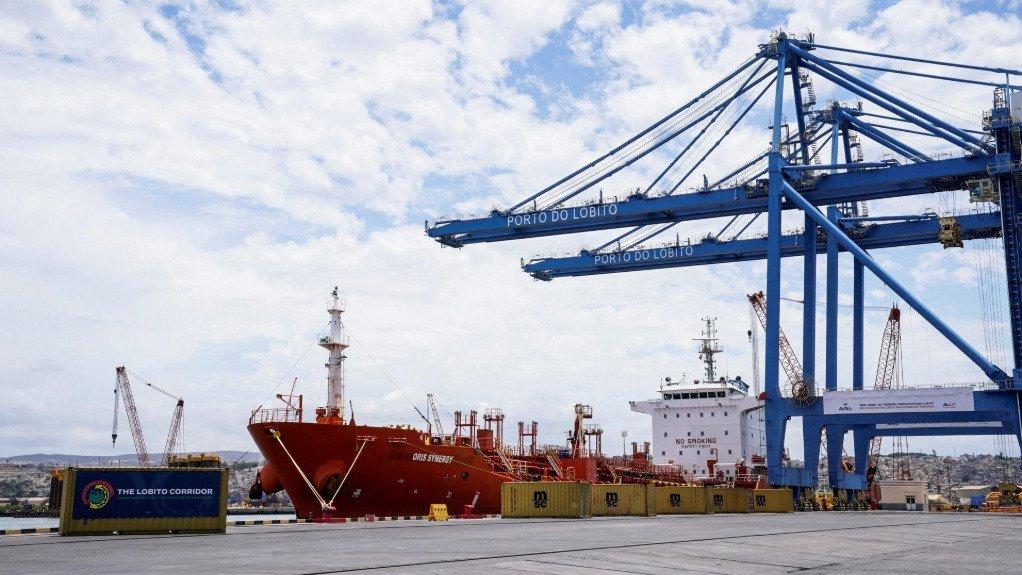
The competition for Africa’s minerals is not limited to controlling mines. The ability to transport resources efficiently to international markets is equally important.
China has made infrastructure investment a central part of its engagement with African countries through the Belt and Road Initiative, supporting projects involving railways, ports, roads and energy infrastructure.
The United States, working with European and African partners, is backing the Lobito Corridor, a transport network connecting Angola’s Atlantic coast to mineral-producing areas in the DRC, with a planned railway extension into Zambia.
The corridor is expected to provide an alternative export route for copper and cobalt while improving regional trade and reducing transportation costs.
For Washington, it is also an opportunity to diversify critical mineral supply chains and reduce reliance on networks dominated by China.
For African countries, the potential benefits include improved infrastructure, employment, regional trade and greater access to international markets.
However, the long-term value of the corridor will depend on whether it supports local businesses and industries or mainly serves the interests of foreign mineral buyers.
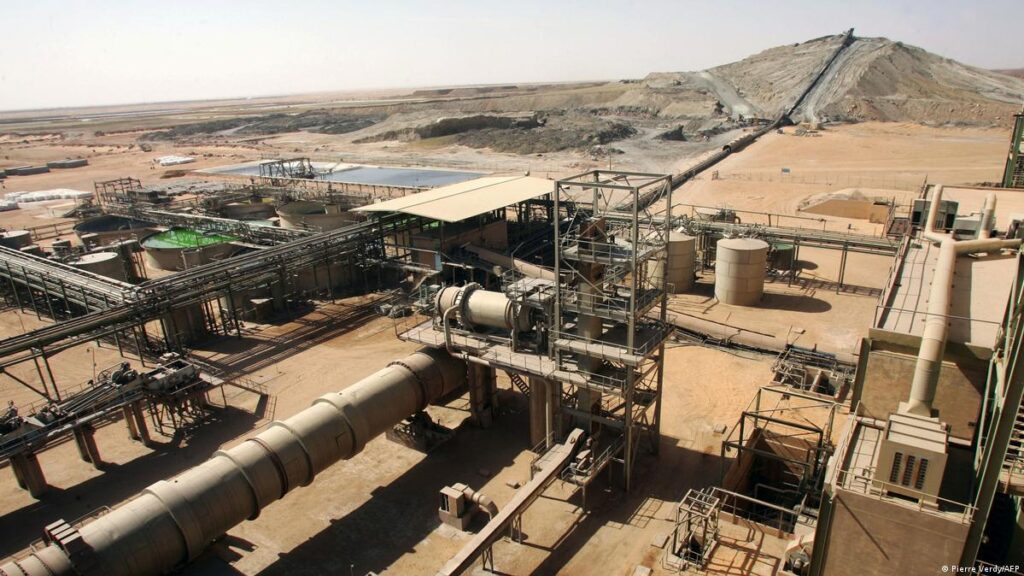
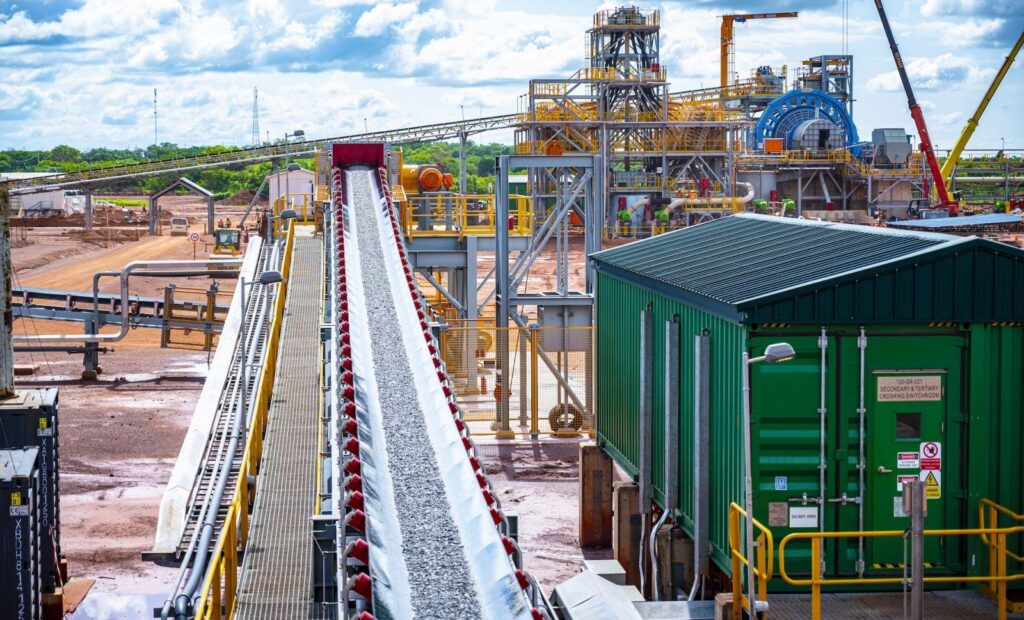
Mali and Niger have become important parts of the wider competition because of their mineral resources and changing political relationships with international partners.
Both countries have experienced military coups and deteriorating relations with several Western governments. Their military-led administrations have strengthened security cooperation with Russia, alongside neighbouring Burkina Faso.
Russia’s growing security presence has given Moscow an important diplomatic position in the region.
However, the United States is also attempting to rebuild relationships.
In February 2026, senior US State Department official Nick Checker visited Mali and met Foreign Minister Abdoulaye Diop. Discussions included security cooperation, economic development and Washington’s respect for Mali’s sovereignty.
The diplomatic engagement comes as foreign companies pursue opportunities in the region’s mining industry.
Mali produced an estimated 9,400 tonnes of lithium in 2025, according to the US Geological Survey, making it an increasingly significant producer.
Chinese interests are involved in the Goulamina lithium mine, while Russia’s state nuclear corporation Rosatom has also been associated with lithium exploration interests in the country.
The Sahel’s mineral potential, however, must be considered alongside insecurity, political uncertainty and the difficulties of developing major infrastructure.
Niger’s uranium reserves have also become an important part of Washington’s economic engagement with the Sahel.
The country has historically been a significant uranium producer, supplying a strategic resource used in nuclear energy generation.
In September 2026, the US International Development Finance Corporation approved financing of up to $414.2 million for the Dasa uranium project, developed by Canadian mining company Global Atomic.
The financing approval represents a significant development in US economic engagement with Niger, particularly after the withdrawal of American troops in 2024 following disagreements with the country’s military government.
However, the funding is not yet unconditional. Global Atomic has identified several requirements before the financing can be finalised, including securing a viable route to export uranium from the landlocked country and obtaining necessary government approvals.
The project illustrates how economic interests can create opportunities for renewed diplomatic engagement even when security relationships between countries have changed.
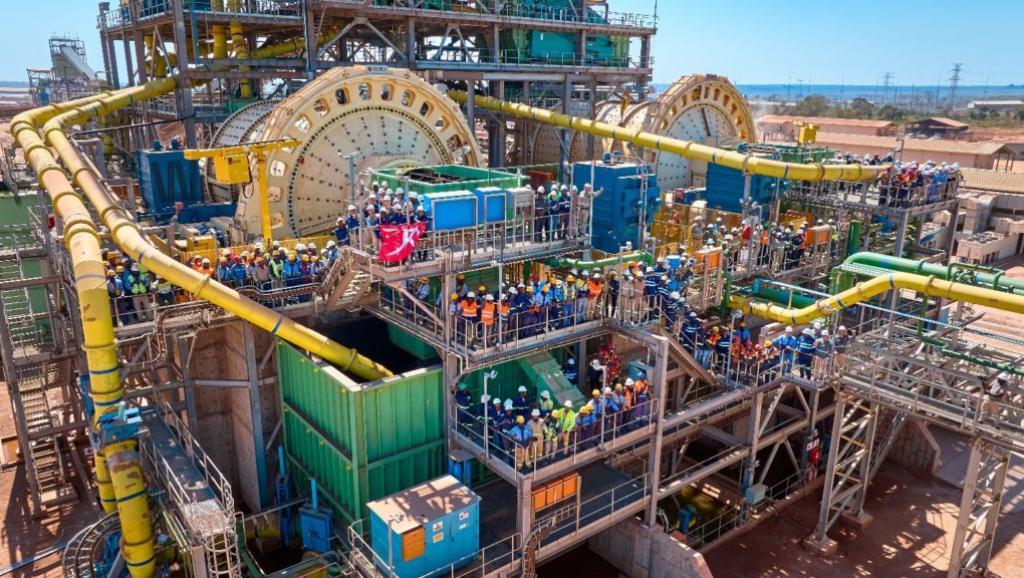
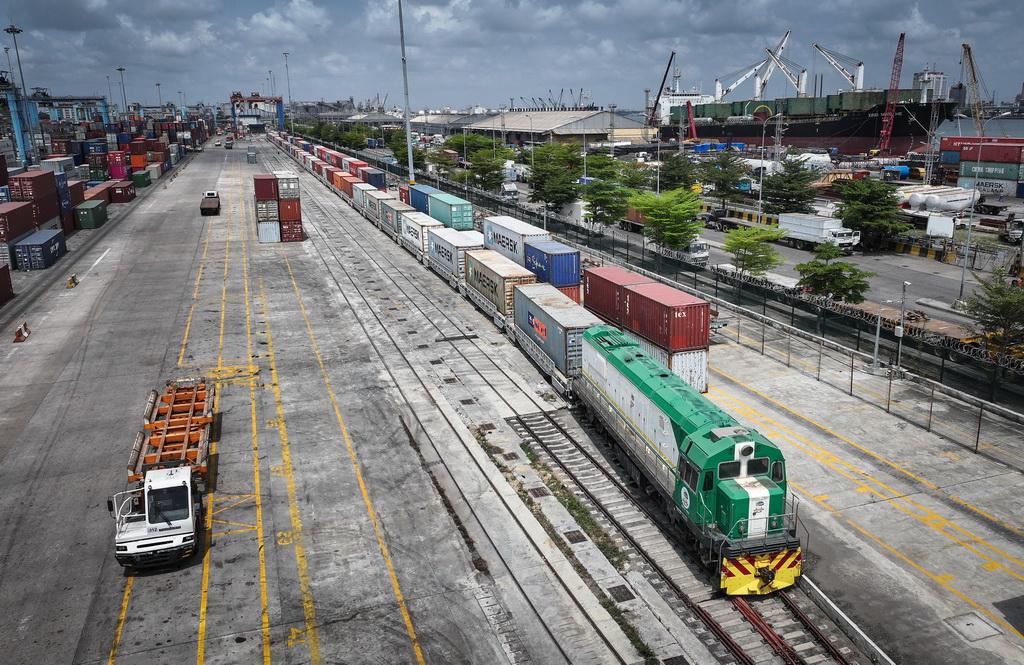
The growing competition between the United States, China and Russia could give African governments greater bargaining power when negotiating investment agreements.
Rather than depending on one international partner, countries can potentially diversify their relationships, attract competing investors and negotiate better commercial terms.
However, the benefits will not happen automatically.
One of Africa’s biggest challenges is its continued dependence on exporting raw minerals while much of the processing, manufacturing and higher-value industrial activity takes place elsewhere.
Foreign investment that focuses exclusively on extracting and exporting minerals may generate government revenue without creating enough skilled employment or building strong domestic industries.
African governments therefore face several important priorities:
The African Union’s ambition to promote mineral beneficiation and industrial development will be important in determining whether the continent can capture more value from its natural resources.
The competition for Africa’s critical minerals is likely to intensify as global demand for energy technologies, electric vehicles, advanced manufacturing and defence equipment grows.
China, Russia and the United States each have different economic and strategic interests on the continent. Their growing involvement creates opportunities, but also exposes African countries to geopolitical pressure and unequal commercial relationships.
Ultimately, Africa’s success should not be measured by how much foreign investment its mineral resources attract or which global power secures the largest mining interests.
The more important question is whether African countries can use their natural wealth to build industries, create jobs, improve infrastructure and raise living standards.
The continent has the resources. The challenge is ensuring that the economic benefits remain in Africa.
African360 WhatsApp Channel for more News update: https://whatsapp.com/channel/0029Vb7Oc6nGk1FpdCN0xn44