Physical Address
304 North Cardinal St.
Dorchester Center, MA 02124
Physical Address
304 North Cardinal St.
Dorchester Center, MA 02124
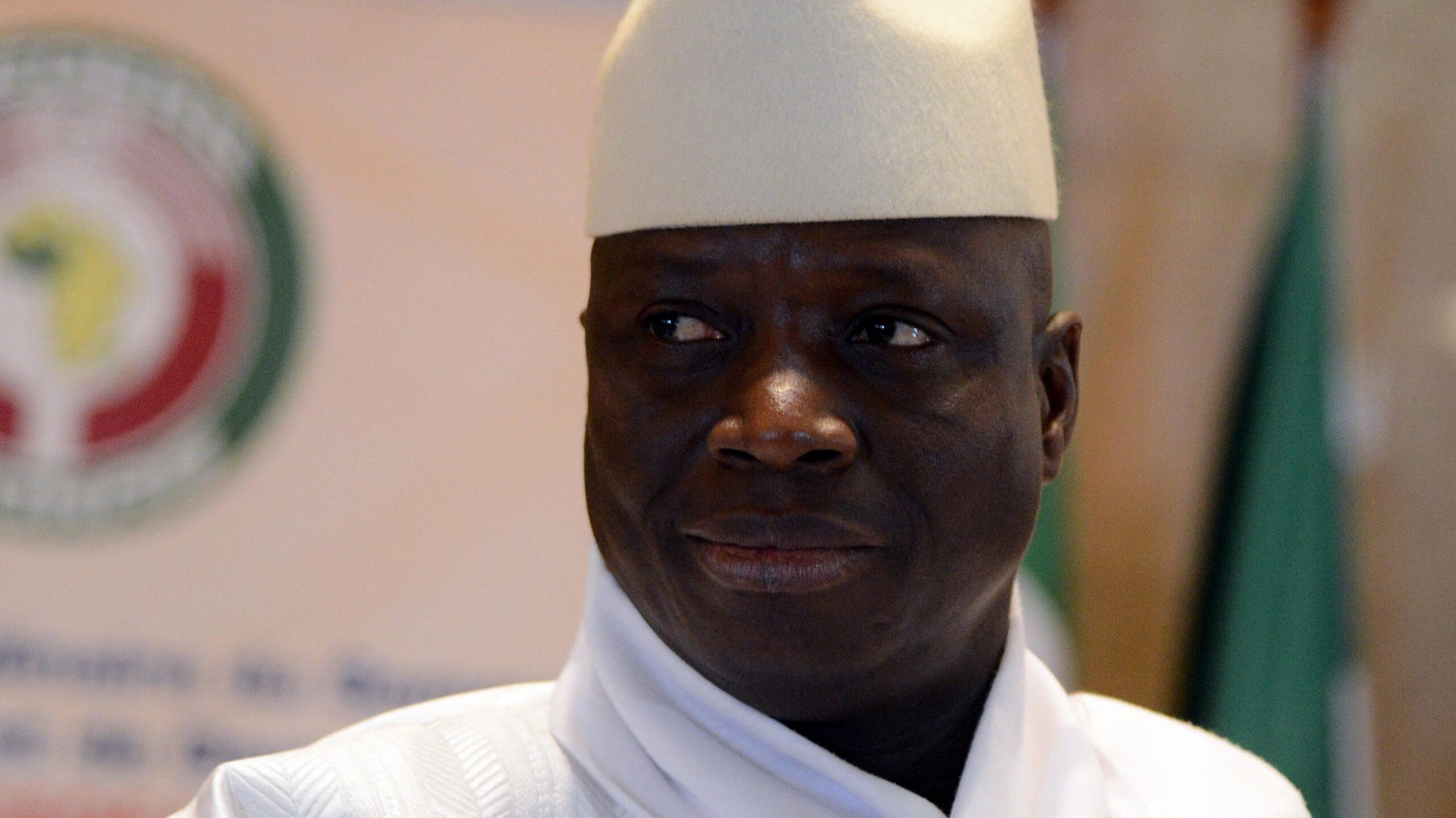
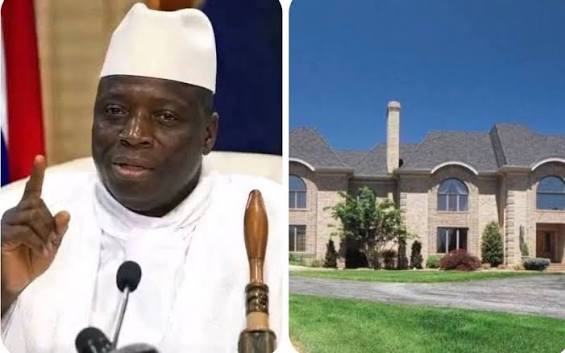
The Gambia has received more than US$2.57 million from the sale of a mansion linked to former president Yahya Jammeh, with the funds set aside to compensate eligible victims and survivors of abuses committed during his rule.
The Gambia’s Reparations Commission has confirmed receipt of US$2,573,414.10 recovered from the forfeiture and sale of a property in Potomac, Maryland, previously owned by former longtime ruler Yahya Jammeh.
In a statement issued on October 20, the Commission said the funds had been deposited directly into the Reparations Fund account at the Central Bank of The Gambia and would be used exclusively to pay reparations to eligible victims and survivors.
The transfer marks a significant development in The Gambia’s efforts to provide redress to people affected by human rights abuses and alleged corruption during Jammeh’s 22-year rule.
The property was forfeited following legal proceedings initiated by US authorities, who alleged that Jammeh and his wife, Zineb Jammeh, purchased the mansion using proceeds of corruption and misappropriated Gambian public funds.
In September 2026, the US Department of Justice announced that approximately US$2.5 million would be returned to The Gambia to compensate victims of the former regime.
The net proceeds from the mansion sale amounted to US$2,507,911.73. The total subsequently received by The Gambia reached US$2,573,414.10 after the addition of US$65,502.37 held in rental escrow.
The transfer followed cooperation between Gambian and US authorities to recover assets associated with alleged corruption and direct the proceeds towards victims.
Jammeh seized power in a military coup in 1994 and governed The Gambia for more than two decades.
His rule was marked by allegations of arbitrary detention, torture, enforced disappearances, sexual violence and extrajudicial killings. A Gambian commission of inquiry estimated that between 240 and 250 people were killed by state agents or associated forces during his rule.
Jammeh lost the 2016 presidential election to Adama Barrow but initially refused to relinquish power. He eventually left The Gambia in January 2017 after intense regional and international pressure, including intervention threats from the Economic Community of West African States (ECOWAS).
He went into exile in Equatorial Guinea, where he remains.
A subsequent national inquiry examined the former president’s wealth and assets, including properties and bank accounts, amid findings of extensive financial misconduct. The US forfeiture case involving the Maryland mansion formed part of wider efforts to recover assets alleged to have been acquired through corruption.
The Gambia’s Reparations Commission was established to help provide redress to people harmed during Jammeh’s rule. Its work falls under the Victims Reparations Act of 2023, which provides a framework for compensating eligible victims and survivors.
The Commission said it was committed to managing the recovered money responsibly, transparently and accountably, while taking the needs and rights of victims into consideration.
Reparations can provide more than financial compensation. Depending on the applicable programme and eligibility rules, they can also support rehabilitation, restitution and collective measures intended to acknowledge harm and help affected communities recover.
The Commission has not indicated that all eligible victims have already been paid. The receipt of the funds represents an important step towards delivering compensation, with the allocation and payment process still to follow.
For victims and survivors, the return of assets linked to the former regime offers a tangible step towards accountability after years of demands for justice.
The case also demonstrates how international cooperation can help recover assets allegedly acquired through corruption and redirect them towards people harmed by abuses of public office.
However, the US$2.57 million is only one part of the broader reparations challenge. Ensuring that eligible victims receive fair and timely compensation will require transparent administration, clear eligibility procedures and public accountability over how the money is distributed.
For The Gambia, the task now is to turn the recovery of the funds into meaningful assistance for those affected by the former regime.
The Commission’s next steps will be closely watched by victims, human rights organisations and the wider public, who will want to see the money reach its intended beneficiaries.
African360 WhatsApp Channel for more News update: https://whatsapp.com/channel/0029Vb7Oc6nGk1FpdCN0xn44