Physical Address
304 North Cardinal St.
Dorchester Center, MA 02124
Physical Address
304 North Cardinal St.
Dorchester Center, MA 02124
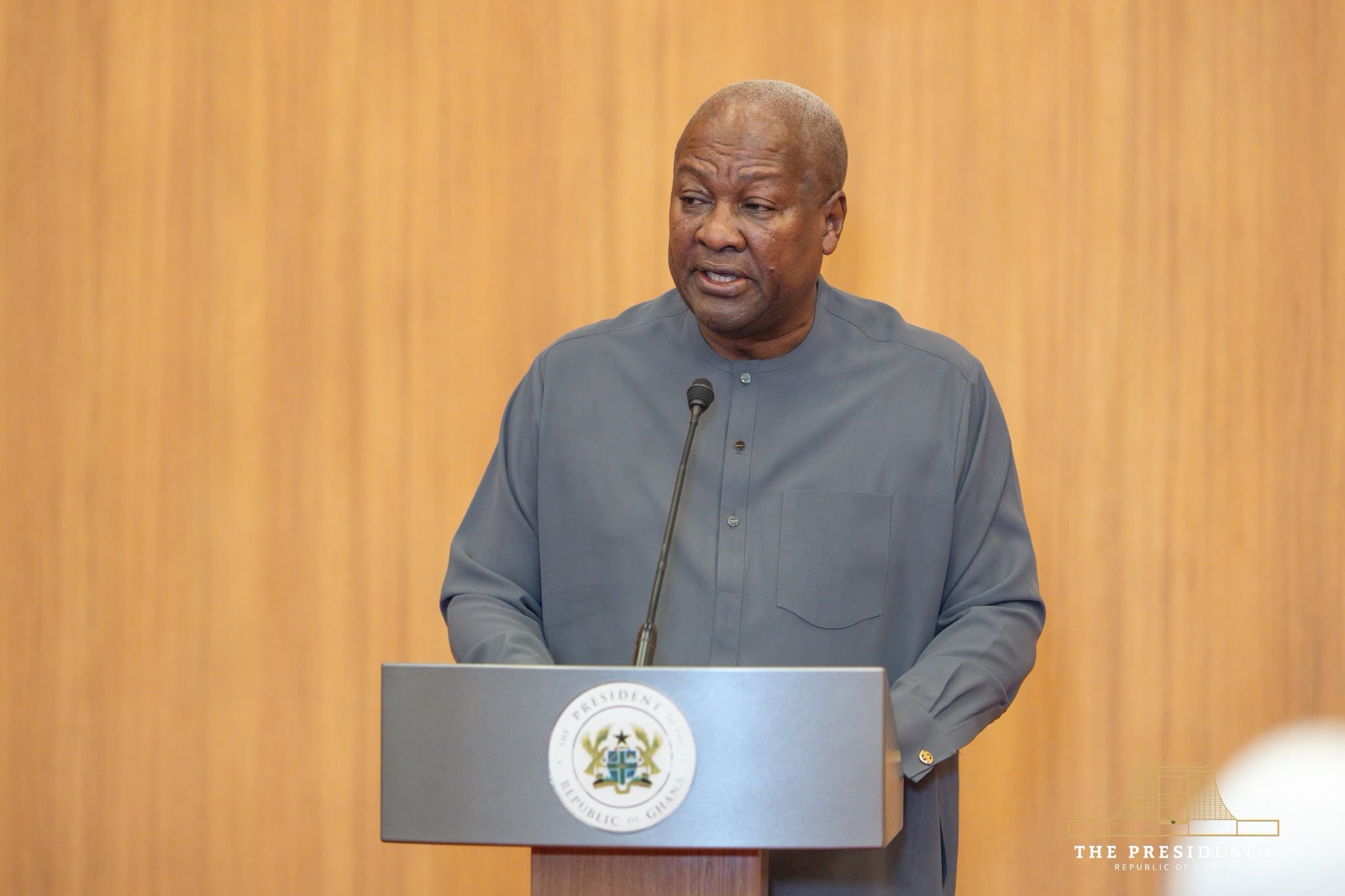
The United States is seeking amendments to, and the possible removal of, controversial clauses in a US$109 million health compact rejected by Ghana’s Cabinet, President John Dramani Mahama has disclosed.
President Mahama said Washington had requested further discussions on the proposed agreement, opening the door to renewed negotiations between the two countries.
Speaking at a citizens’ engagement in Goaso, the Ahafo Regional capital, on Saturday, October 10, 2026, he said Ghana was willing to engage with the United States but would not accept conditions that undermined its sovereignty, dignity or national interests.
The proposed five-year agreement was rejected by Cabinet in April after the government raised concerns about provisions involving sensitive health information, national sovereignty, Ghana’s financial commitments and the regulatory powers of the Food and Drugs Authority.
President Mahama indicated that the latest approach from Washington would allow both sides to discuss the clauses Ghana found unacceptable.
He maintained that Ghana remained open to dialogue while insisting that any revised agreement must respect the country’s sovereign rights.
The proposed agreement was intended to provide approximately US$109 million in American health assistance to Ghana over five years as part of the Trump administration’s broader restructuring of foreign health aid.
However, Ghana raised concerns about provisions that it considered problematic, particularly those relating to the sharing of sensitive health data and the country’s ability to regulate medical products.
During a September 25 engagement at the Council on Foreign Relations in New York, President Mahama explained that the Ministry of Health had reviewed the agreement and submitted its findings to Cabinet.
One major concern was a requirement for Ghana to provide the United States with its national pathogen profile, which contains information about disease-causing organisms circulating in the country.
The government also objected to provisions it interpreted as requiring the sharing of citizens’ private medical records.
President Mahama questioned why another country should have access to such sensitive information without adequate safeguards.
The agreement also raised concerns about Ghana’s financial contribution to the programme and provisions that the President said could restrict the FDA’s authority to inspect medicines and other medical products brought into the country under the arrangement.
Cabinet subsequently decided not to proceed with the agreement under its original terms.
The latest development suggests that the disagreement has not ended diplomatic engagement between Accra and Washington.
According to President Mahama, the United States has returned with a request to discuss the provisions Ghana opposed, with the possibility of amending or removing some of them.
The President said Ghana would participate in the discussions but would remain firm on issues affecting national sovereignty and the protection of citizens’ information.
The renewed engagement does not mean that Ghana has accepted the original compact or that a revised agreement has been concluded.
Any progress will depend on the outcome of negotiations and whether the changes adequately address the concerns raised by the Ghanaian government.
The discussions also come amid wider debate across Africa about the terms attached to new bilateral health financing agreements proposed under the Trump administration.
Ghana’s objections reflect a broader debate over how health information should be collected, shared and protected in international partnerships.
National pathogen data can help public health authorities track infectious diseases, identify emerging threats and coordinate responses to outbreaks. However, governments have raised questions about who can access such information, how it will be used and whether countries providing the data will benefit from research and medical products developed from it.
The protection of individual medical records presents additional concerns involving privacy, data security and the legal responsibilities of health authorities.
Ghana’s position has been that international health cooperation must respect the country’s laws and preserve appropriate national oversight.
The government has also questioned whether the proposed financial and regulatory conditions offered sufficient benefits in return for the commitments Ghana would be expected to make.
Similar disagreements have affected negotiations between Washington and other African countries, including Zimbabwe and Kenya.
The developments illustrate the challenges facing governments seeking to secure external health funding while maintaining control over sensitive national data and domestic regulatory systems.
The proposed compact was intended to provide about US$109 million over five years, replacing some health assistance previously channelled through the United States Agency for International Development (USAID).
However, the rejection of the agreement did not automatically mean that all American health assistance to Ghana had stopped.
The US Embassy in Ghana has previously explained that funding allocations for 2025 and 2026 were planned in advance and were separate from negotiations over the new compact.
US Chargé d’Affaires Rolf Olson said Ghana’s planned allocation was US$82 million for 2025 and US$53 million for 2026.
The distinction is important because the existing funding arrangements and the proposed five-year compact are separate matters.
The outcome of the renewed negotiations could determine whether a revised agreement provides an additional or replacement source of support for Ghana’s health programmes.
President Mahama made the disclosure during the final day of his two-day Resetting Ghana Tour of the Ahafo Region.
The citizens’ engagement in Goaso brought together residents, traditional leaders and government officials to discuss national development priorities and projects in the region.
The President assured residents that the government would continue pursuing development initiatives while protecting Ghana’s national interests in its international engagements.
His remarks on the health compact reinforced the government’s position that cooperation with international partners remains important, but agreements must be acceptable to both sides.
During the tour, President Mahama highlighted several government programmes, including the Free Primary Healthcare Initiative and the Ghana Medical Trust Fund, popularly known as MahamaCares, which is intended to support people facing the high cost of treating chronic and serious medical conditions.
He also inspected and inaugurated two newly constructed Community-based Health Planning and Services (CHPS) compounds at Ashiayem and Nsuapimkrom in the Tano North Municipality.
Other activities included the inauguration of a Bureau of National Intelligence regional office in Goaso and an inspection of a solar-powered mechanised irrigation project at Dantano in the Asunafo South District.
The irrigation facility is intended to support vegetable production, strengthen food security and provide raw materials for agro-industries.
The President also discussed road construction under the Big Push Infrastructure Development Programme, including work on the Tepa–Goaso road and the Ntotroso Bridge.
He further announced plans to procure rechargeable electric wheelchairs for persons with disabilities, beginning with a pilot project that could be expanded if successful.
The United States’ request to revisit the health compact creates an opportunity for both countries to address the issues that led to its rejection.
For Ghana, the central questions concern the protection of health information, the preservation of regulatory authority, the financial commitments required and the benefits the country would receive.
For Washington, renewed negotiations could help revive a proposed health partnership that has faced resistance from Ghana and other countries over its conditions.
No revised agreement has yet been announced. The next stage will depend on discussions between the two governments and whether the disputed provisions can be changed to meet Ghana’s requirements.
President Mahama’s position is that Ghana is prepared to engage, but not at the expense of its sovereignty or the rights of its citizens.
African360 WhatsApp Channel for more News update: https://whatsapp.com/channel/0029Vb7Oc6nGk1FpdCN0xn44