Physical Address
304 North Cardinal St.
Dorchester Center, MA 02124
Physical Address
304 North Cardinal St.
Dorchester Center, MA 02124

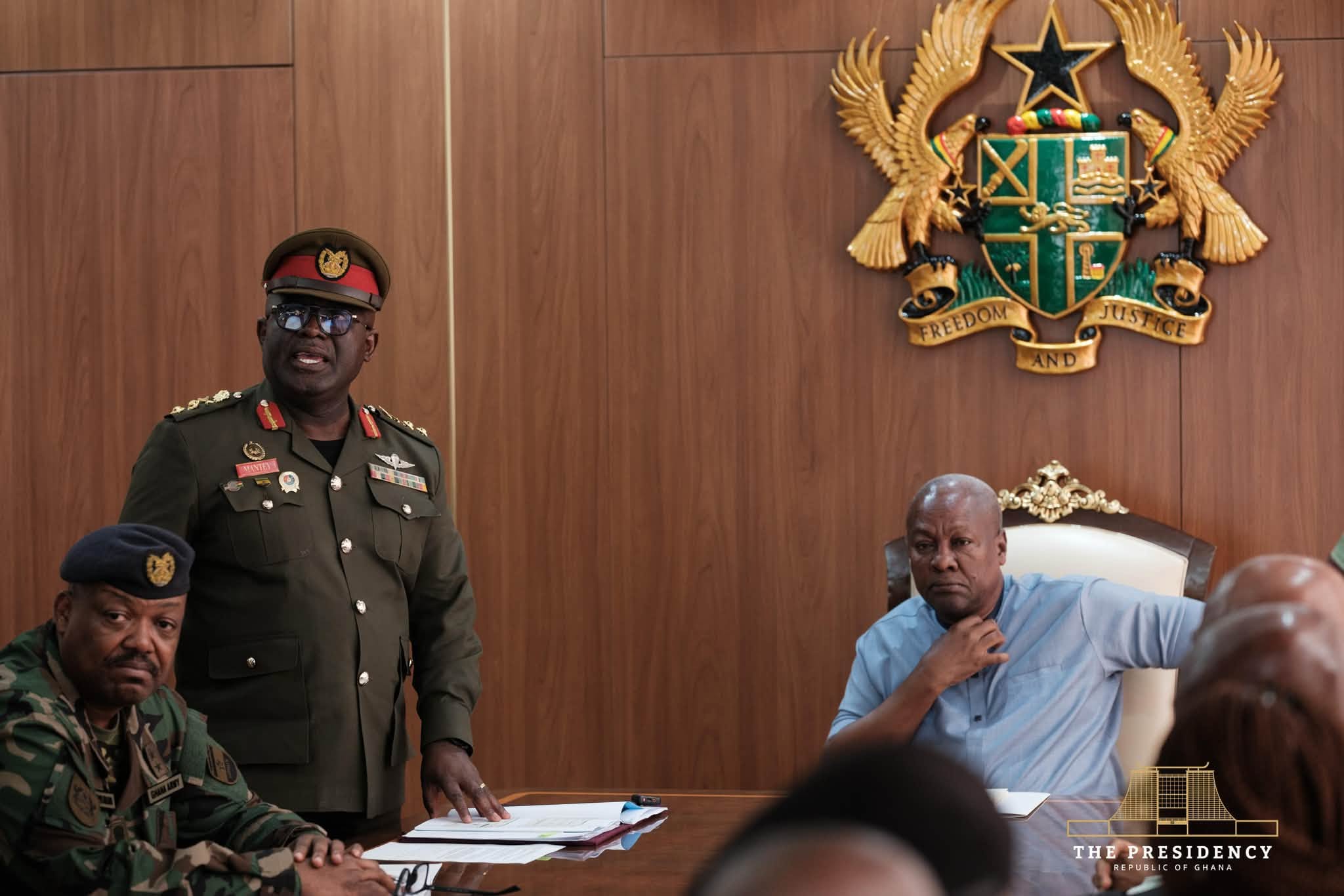
President John Dramani Mahama has directed the formation of an inter-agency task force to develop a comprehensive roadmap to strengthen Ghana’s borders and prevent narcotics trafficking through the country’s ports.
President John Dramani Mahama has ordered urgent measures to strengthen Ghana’s border and port security following a series of recent drug trafficking cases linked to consignments leaving the country.
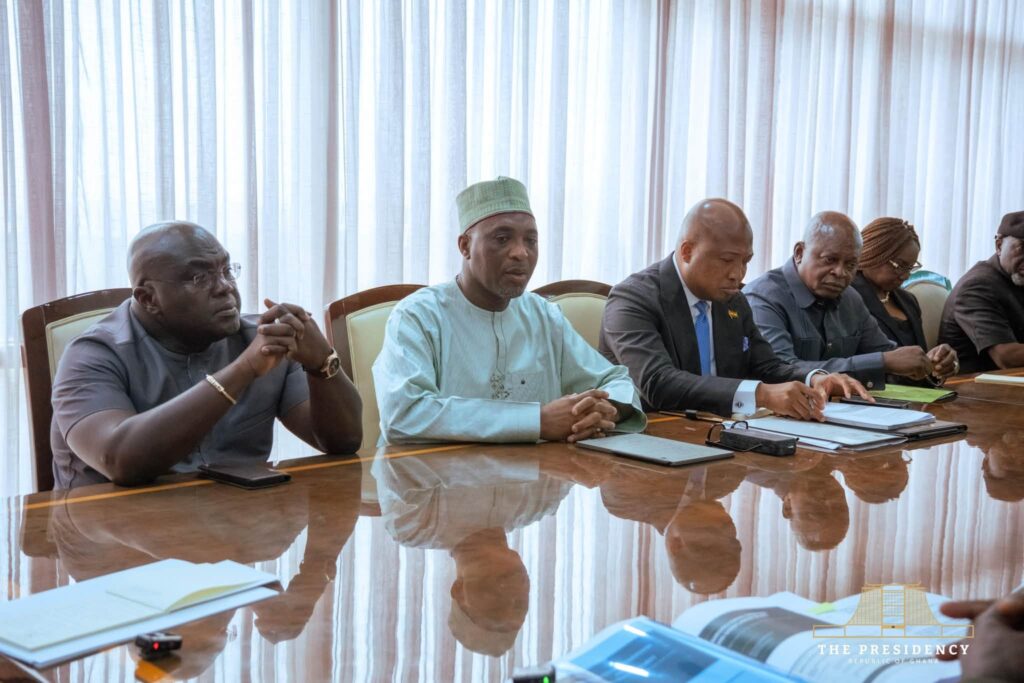
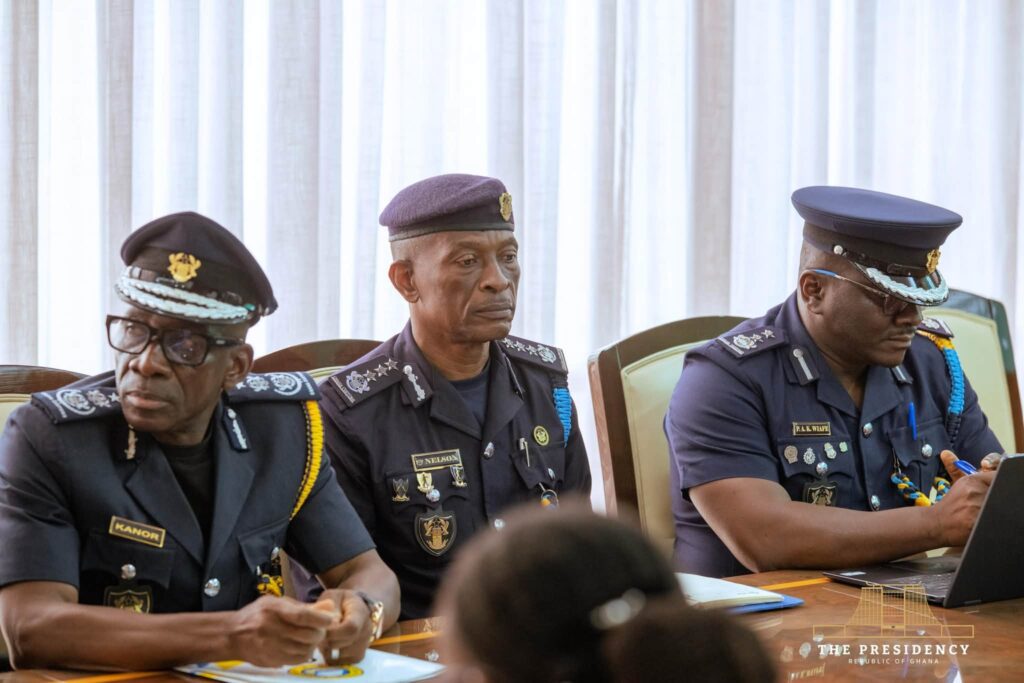
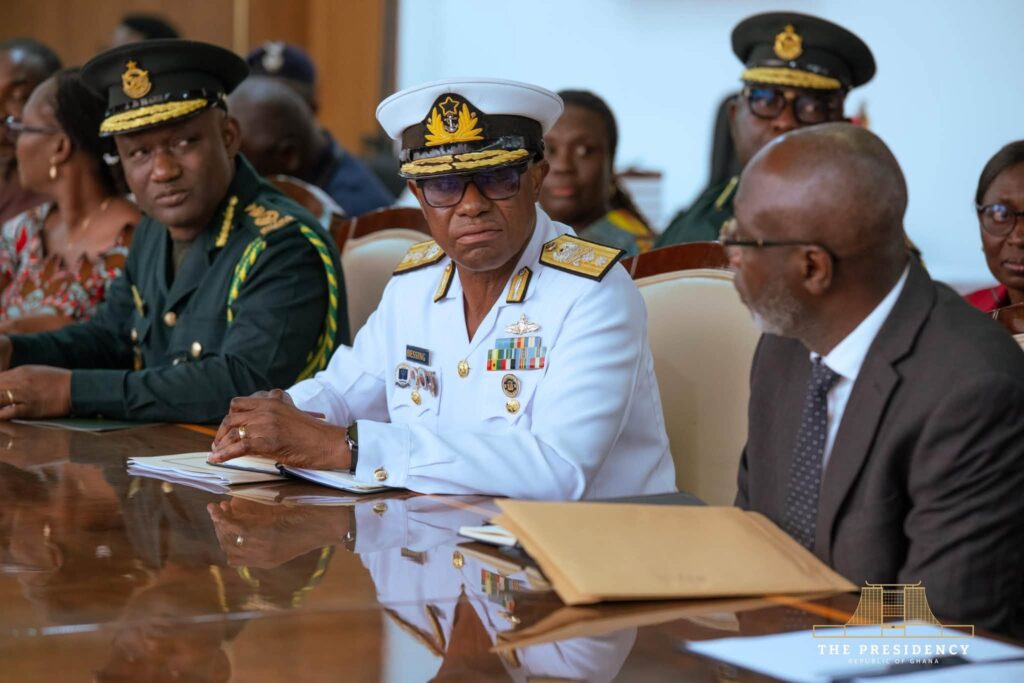
The President chaired a high-level meeting with Ghana’s security chiefs on Thursday, September 17, 2026, where he received a detailed briefing on ongoing investigations into the movement of narcotic drugs through Ghana’s ports.
According to information presented at the meeting, 10 individuals, including four officers of the Customs Division of the Ghana Revenue Authority (GRA), are currently being held as investigations continue.
The authorities have not publicly disclosed the identities of all those in custody or detailed the specific allegations against them in the official statement. No conclusion of criminal responsibility has been announced.
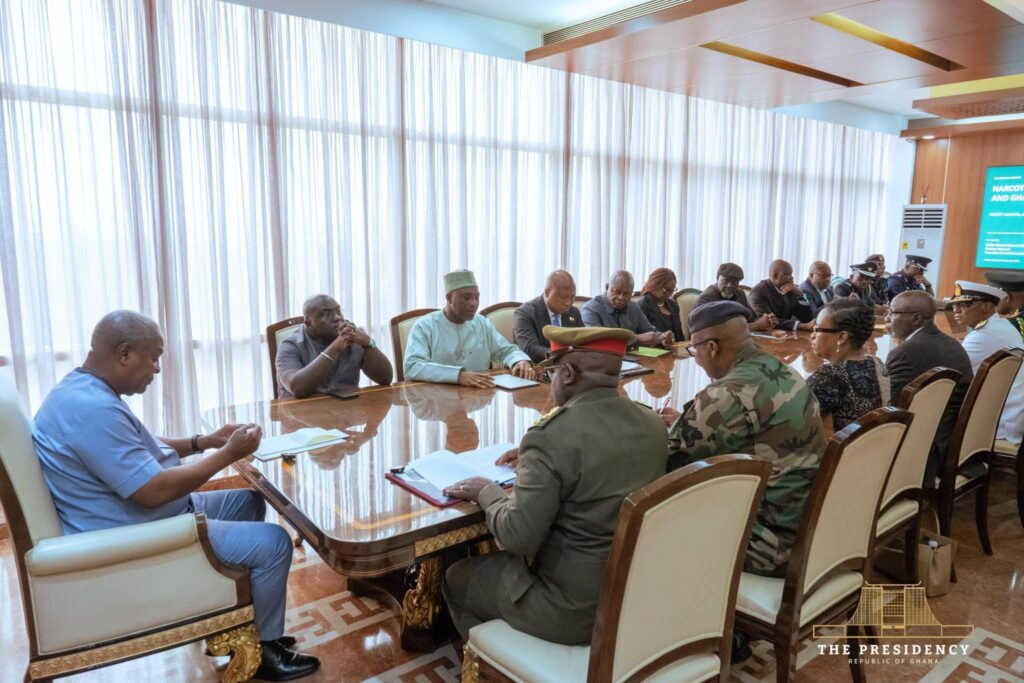
Following the briefing, President Mahama directed the establishment of an inter-agency task force to translate the recommendations from the security meeting into a detailed national roadmap.
The task force has been given two weeks to submit its proposals.
The roadmap is expected to identify weaknesses in Ghana’s existing systems and recommend measures to improve the detection and prevention of narcotics trafficking through ports and other border entry points.
The Presidency said the meeting examined the existing security structures and systems and recommended additional actions to address the problem.
The presidential intervention comes amid heightened scrutiny of Ghana’s ports following major international narcotics seizures linked to consignments originating from Ghana.
French customs authorities recently seized nearly 3.9 tonnes of cocaine at the port of Dunkirk in France. The shipment was concealed in a container carrying plastic waste that had arrived from Ghana, with part of the consignment reportedly destined for Antwerp, Belgium.
The seizure has triggered investigations in both France and Ghana into how the alleged shipment passed through Ghana and who may have been involved.
Ghanaian authorities have subsequently arrested and charged suspects in connection with the case, while investigations continue.
The reported involvement of four Customs officers has added another layer to the investigation.
Separate court proceedings reported by the media indicate that four GRA Customs officers are among individuals being investigated in connection with the alleged exportation of the cocaine consignment.
However, the Presidency’s announcement regarding the 10 people being held did not identify the individuals or establish their guilt.
Any allegations against persons in custody will therefore have to be tested through the investigative and judicial processes.
The security meeting also examined the structures currently responsible for detecting and preventing narcotics trafficking.
The review is expected to inform measures aimed at improving coordination between agencies operating at Ghana’s ports and along the country’s borders.
The new task force will therefore have to consider not only enforcement but also how information is shared among agencies, how suspicious consignments are identified and how potential security gaps are closed.
The latest development puts Ghana’s port security and anti-narcotics systems under renewed national scrutiny.
The scale of recent international seizures makes the issue bigger than individual arrests. It raises questions about how effectively Ghana’s ports can identify high-risk consignments, how agencies coordinate their operations and whether existing safeguards are strong enough to prevent organised trafficking networks from exploiting weaknesses in the system.
The President’s decision to give the inter-agency task force a two-week deadline provides a clear timetable for action.
The critical test, however, will be what happens after the roadmap is produced.
A durable response will require more than additional arrests. It will need stronger intelligence sharing, effective screening and inspection systems, accountability where wrongdoing is established, and sustained cooperation between Ghanaian and international law-enforcement agencies.
For now, the investigations remain ongoing, and those in custody should not be presumed guilty unless established through due process.
The immediate question is whether the two-week task force exercise can identify the vulnerabilities within Ghana’s border-security system and translate them into practical measures capable of preventing future trafficking attempts.