Physical Address
304 North Cardinal St.
Dorchester Center, MA 02124
Physical Address
304 North Cardinal St.
Dorchester Center, MA 02124
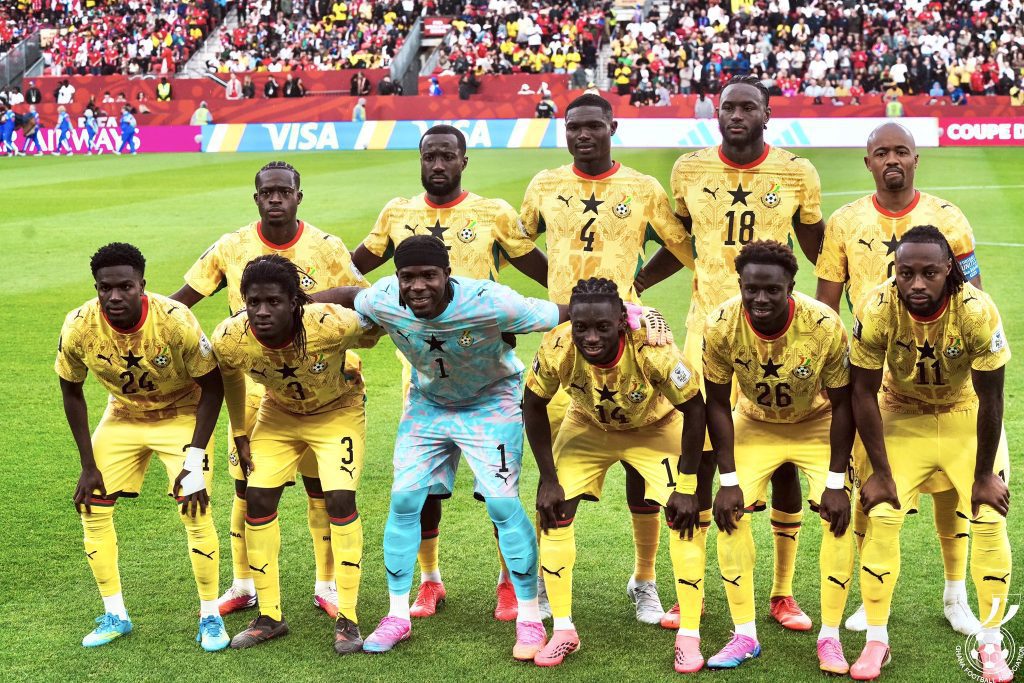
The Minority in Parliament is demanding a detailed, line-by-line breakdown of Ghana’s expenditure on the 2026 FIFA World Cup, alongside full disclosure of private and corporate funds raised to support the Black Stars.
The Minority Caucus in Parliament has called for a comprehensive reconciliation of the money used to finance Ghana’s participation in the 2026 FIFA World Cup, insisting that Ghanaians deserve to know how public and privately raised funds were spent.
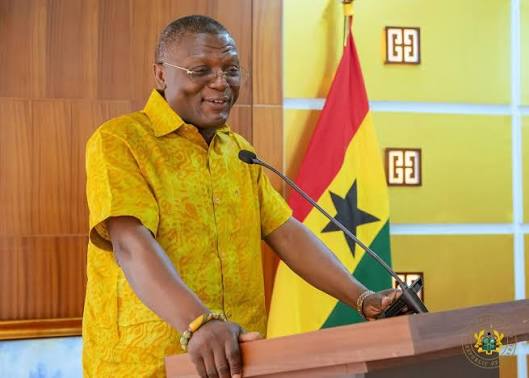
Ranking Member of Parliament’s Youth and Sports Committee and Old Tafo MP, Vincent Ekow Assafuah, made the demand after the Minister for Sports and Recreation, Kofi Adams, appeared before the committee to explain the government’s reported expenditure.
The Minority is specifically demanding a detailed account of the approximately GH¢58 million advanced by government, including expenditure on player appearance fees, technical staff, flights, accommodation, transportation, training camps, catering, security, tickets and other logistical arrangements.
According to Mr Assafuah, the Minister’s explanation accounted for some major payments but left questions about operational expenditure unanswered.
He said Black Stars players received US$100,000 each as appearance fees, amounting to about US$2.6 million, while payments to technical team members and other officials, including honoraria and per diems, brought expenditure to approximately US$4.67 million from a US$5 million advance.
The Minority is now asking for supporting details showing exactly how the remaining operational expenditure was incurred.
Among the items it wants disclosed are:
Mr Assafuah cited reported GFA draft budget allocations of US$15,000 for laundry and US$38,000 for internal transportation, asking authorities to disclose the actual amounts eventually spent and the companies or individuals that provided the services.
“We are not questioning the entitlement of the players or technical team to their approved payments,” he said, according to the report. “We are questioning the absence of a comprehensive, line-by-line account of the operational expenses.”
Ticket purchases have become another area of scrutiny.
The Minority has called for a reconciliation of the tickets purchased for Ghana’s World Cup matches, including tickets that were allocated, used, unused, transferred or allegedly resold.
However, figures presented by Sports Minister Kofi Adams to Parliament indicate that the Ministry purchased 2,922 tickets at a cost of approximately US$1.26 million for Ghana’s three group-stage matches against Panama, England and Croatia.
The allocation reportedly comprised 948 tickets for the Panama match, 1,000 for England and 974 for Croatia. The Minister said the tickets were not purchased for resale and that the prices included a FIFA-permitted 10% administrative charge.
The differing figures and questions surrounding ticket allocation are therefore likely to remain part of the broader accountability debate.
The Minority is also seeking a full reconciliation of money reportedly raised from individuals and corporate organisations to support the Black Stars.
Mr Assafuah cited reported contributions or pledges from individuals and companies including Ibrahim Mahama of Engineers and Planners, Shatta Wale, Stonebwoy, Ghana Gas, GCB Bank, Ecobank Ghana and GoldFields Ghana.
According to the figures he presented, dollar-denominated contributions and pledges amounted to US$7.516 million, while cedi-denominated contributions were reported at GH¢33.08 million, with the Minority putting the total value of corporate contributions in cedis at about GH¢115.756 million.
The Minority wants authorities to publish:
Mr Assafuah argued that private and corporate contributors also have a legitimate interest in knowing how their support was utilised.
The Minority has further demanded details of the government-supported supporter mobilisation programme.
Mr Assafuah said the government had previously indicated that it would not organise a large-scale transportation programme because a significant Ghanaian population was already living in the United States and Canada.
Despite this, he said 431 supporters were facilitated to travel, with expenses reportedly including some combination of air tickets, match tickets, accommodation, internal transportation and stipends.
The Minority wants the Sports Ministry to disclose the selection criteria and the total cost of the exercise.
The issue has since generated additional questions. The Minority has challenged the government’s position that all 431 sponsored travellers returned to Ghana, alleging that the Minister’s driver and a secretary in the Chief Director’s office were among the sponsored travellers who had not returned. Those claims remain allegations by the Minority.
Mr Assafuah also raised concerns about an ongoing investigation involving the Director-General of the National Sports Authority, Yaw Ampofo Ankrah.
The Minority says the NSA boss and some staff have reportedly been questioned by the Criminal Investigations Department over allegations relating to a World Cup visa-facilitation arrangement.
The caucus has said it is not prejudging the investigation or declaring anyone guilty.
However, Mr Assafuah called on President John Mahama to dismiss Mr Ankrah or require him to step aside while investigations continue.
Separate reporting indicates that the allegations involve claims that more than US$600,000 was collected from people seeking assistance with visas to attend the World Cup. The claims are under investigation and have not been established as fact.
The debate surrounding Ghana’s World Cup spending goes beyond football.
Whenever public funds are committed to a national sporting event, transparency requires more than announcing a total figure. A credible accounting should show where the money came from, who received it, what was purchased, who provided the service and how much was ultimately paid.
The same principle applies to private and corporate contributions. Donors and sponsors should be able to establish whether money they contributed was used for its stated purpose.
At the same time, allegations surrounding tickets, sponsored travellers or visa facilitation should be separated from established facts until the relevant investigations are completed.
The current parliamentary scrutiny therefore presents an opportunity for the Sports Ministry, the GFA and other institutions involved in the Black Stars campaign to publish comprehensive supporting documentation.
For Ghanaian taxpayers and supporters, the central question is straightforward: Can every major cedi and dollar spent on the 2026 World Cup campaign be accounted for?
That is the standard the ongoing parliamentary scrutiny will ultimately test.