Physical Address
304 North Cardinal St.
Dorchester Center, MA 02124
Physical Address
304 North Cardinal St.
Dorchester Center, MA 02124

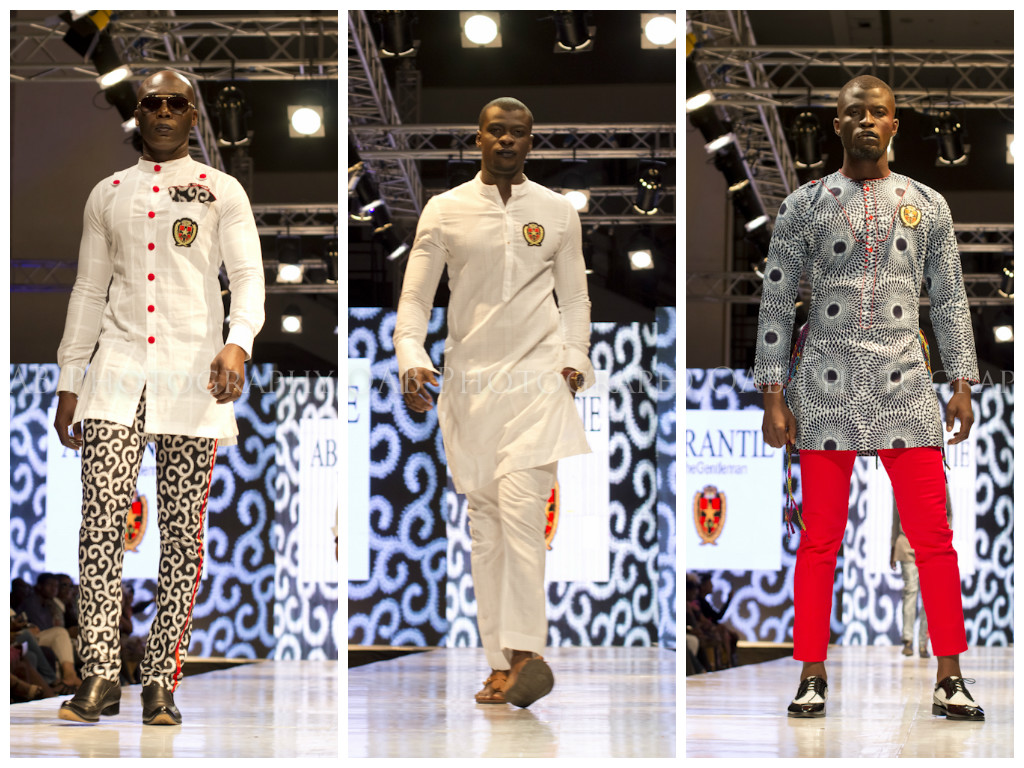
Discover the beauty and meaning of men’s African traditional clothing, from agbada to kente and dashiki, and how African wear expresses culture, pride, and identity.
Across Africa, clothing is more than fabric stitched together—it is history, identity, and pride worn on the body. Men’s African traditional clothing tells stories of ancestry, royalty, celebration, and belonging. Each garment reflects the spirit of a people, shaped by geography, belief, and tradition.
In recent years, African wear for men has moved beyond ceremonies and village life into global fashion spaces. From weddings and festivals to offices and international runways, African traditional clothing is becoming a powerful symbol of heritage and modern style.
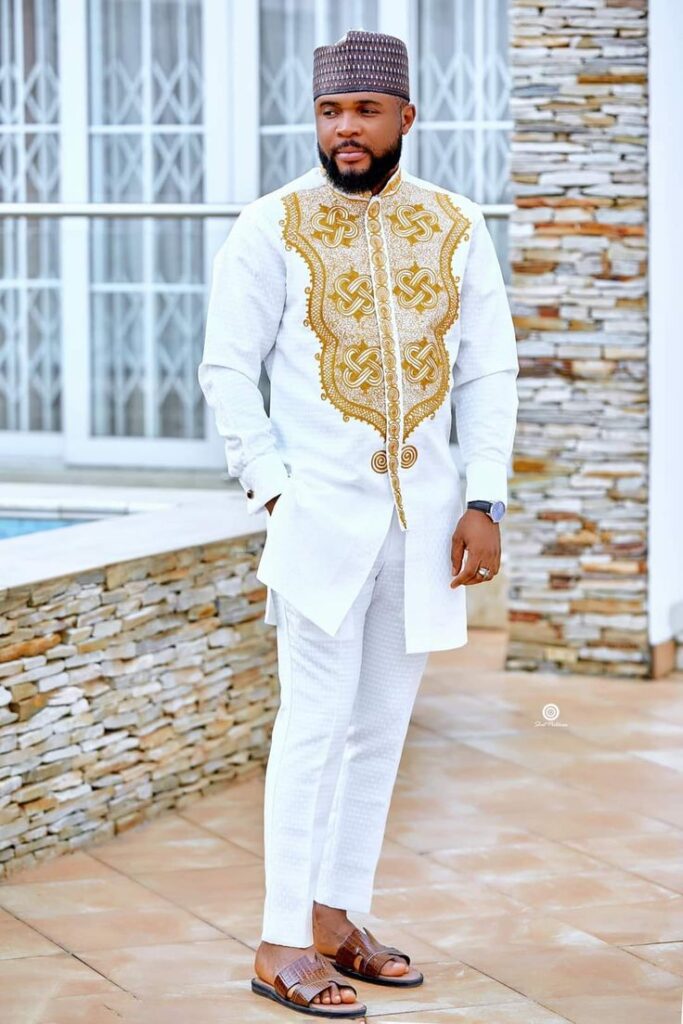
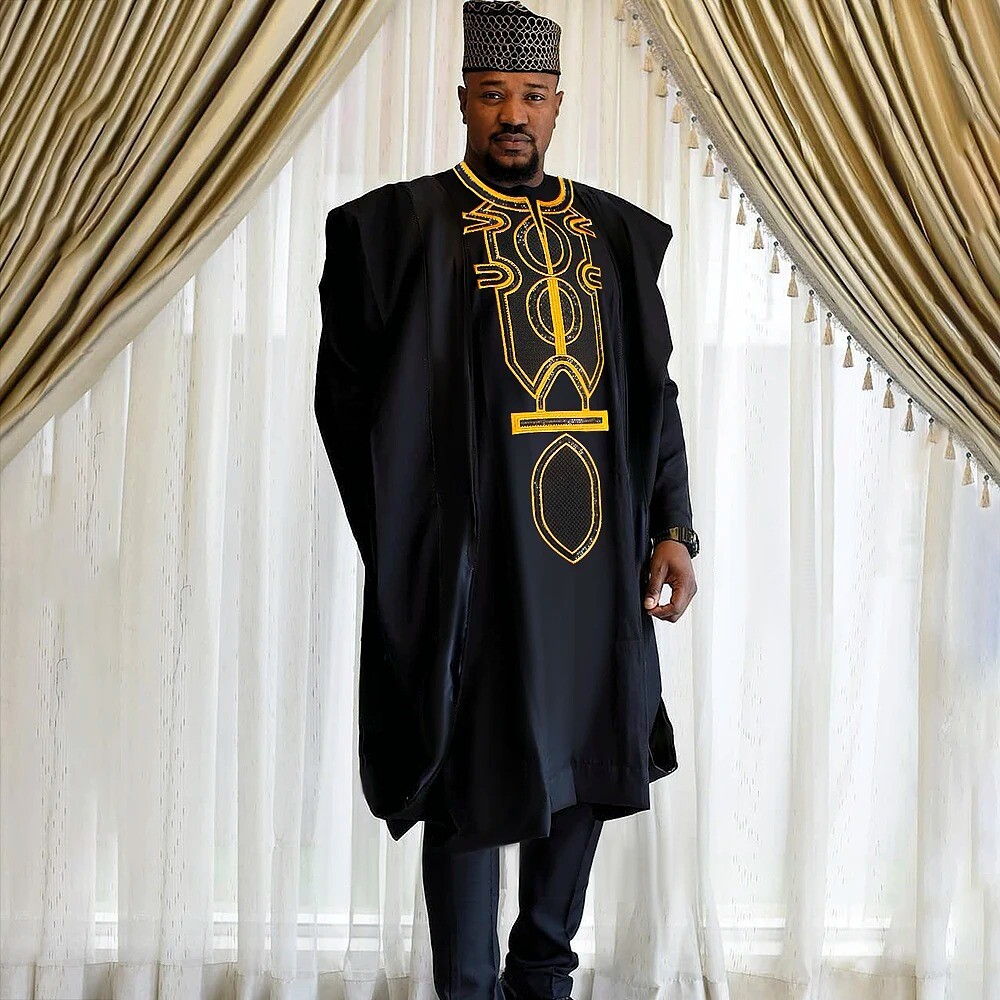
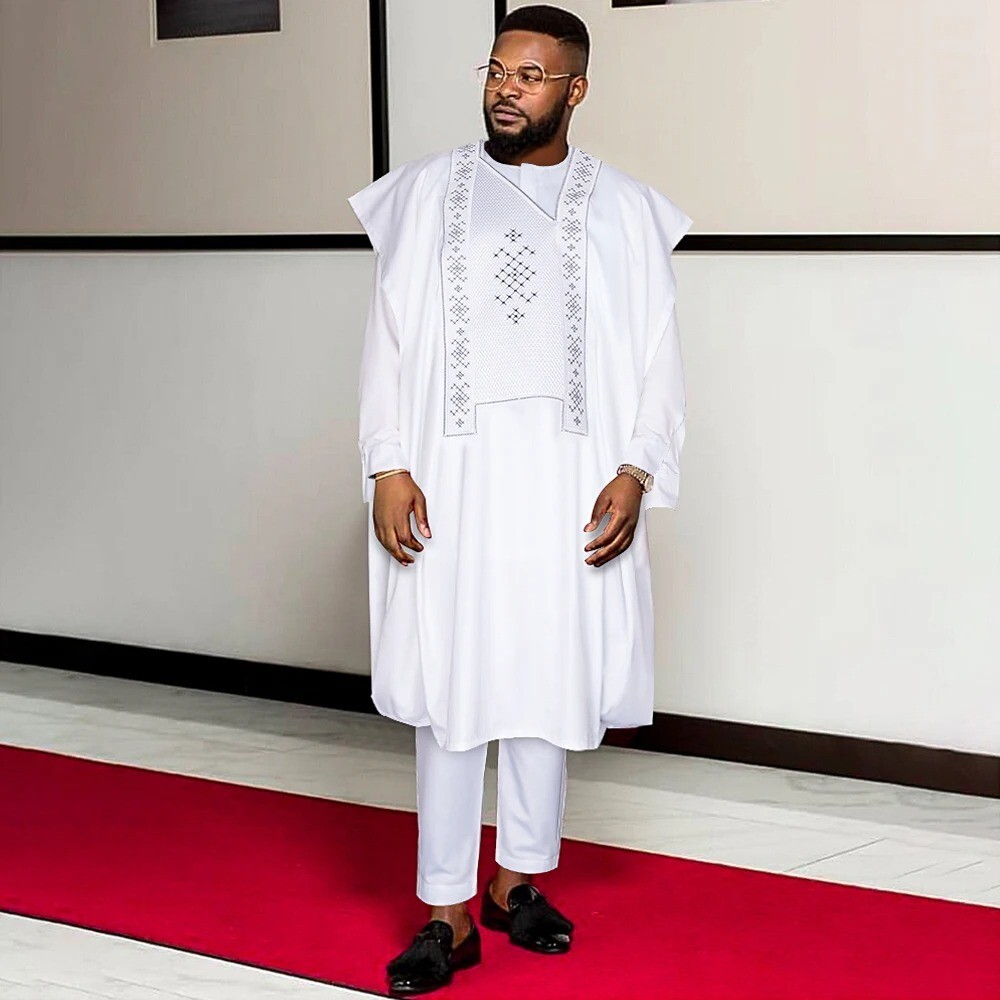
Africa is vast, and so is the diversity of its men’s attire. In West Africa, the flowing Agbada, Boubou, and Kaftan dominate special occasions. These garments, often made from richly embroidered cotton or brocade, symbolize dignity, wisdom, and status. A man in agbada is seen as commanding respect.
In East Africa, men proudly wear the Kanzu, a long white robe common in Uganda, Tanzania, and Kenya, especially for religious and cultural events. In Ethiopia and Eritrea, the Habesha Kemis and shawls woven from cotton reflect centuries of craftsmanship.
Southern Africa offers bold expressions like the Shweshwe outfits of South Africa and the traditional beadwork paired with animal-skin garments among the Zulu and Ndebele people. In North Africa, men wear the Jellaba and Djellabiya, flowing robes suited to desert climates and Islamic traditions.
Each style carries meaning—about age, rank, tribe, marital status, or occasion. African clothing is a language without words.
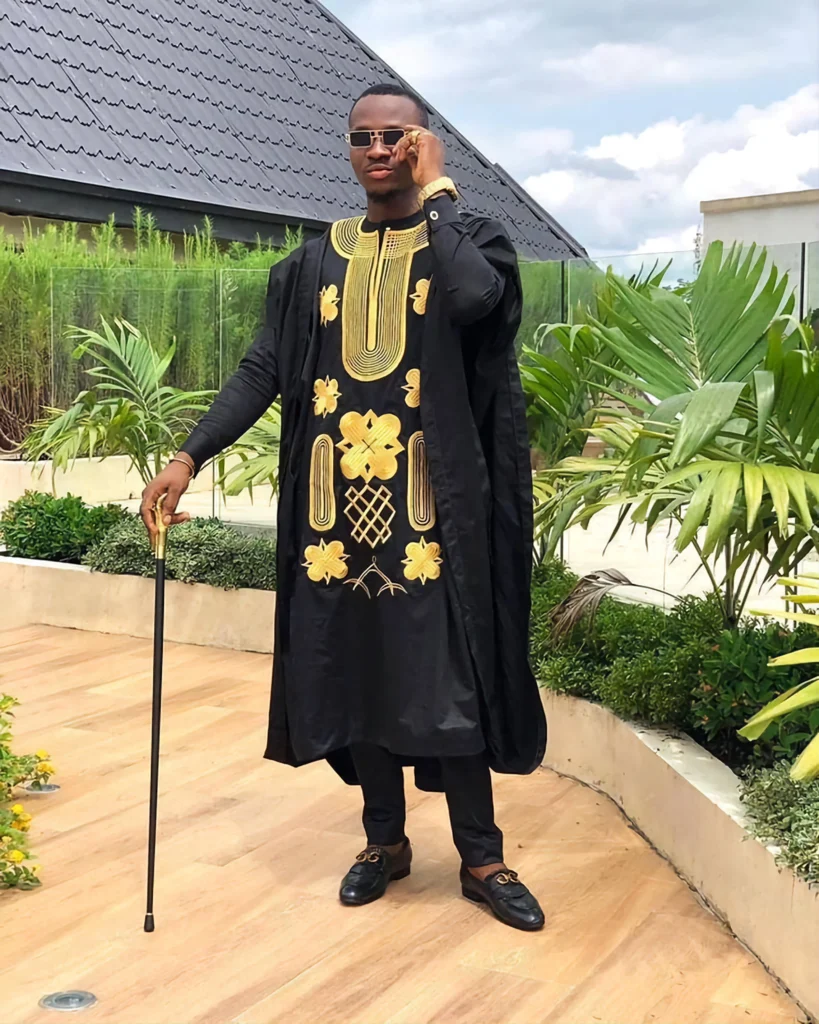
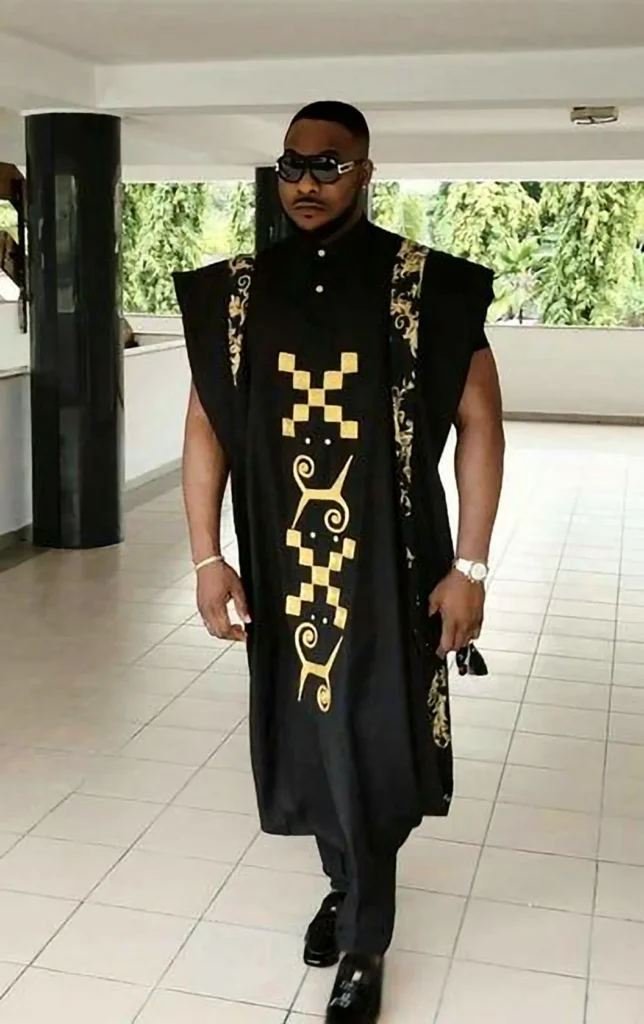
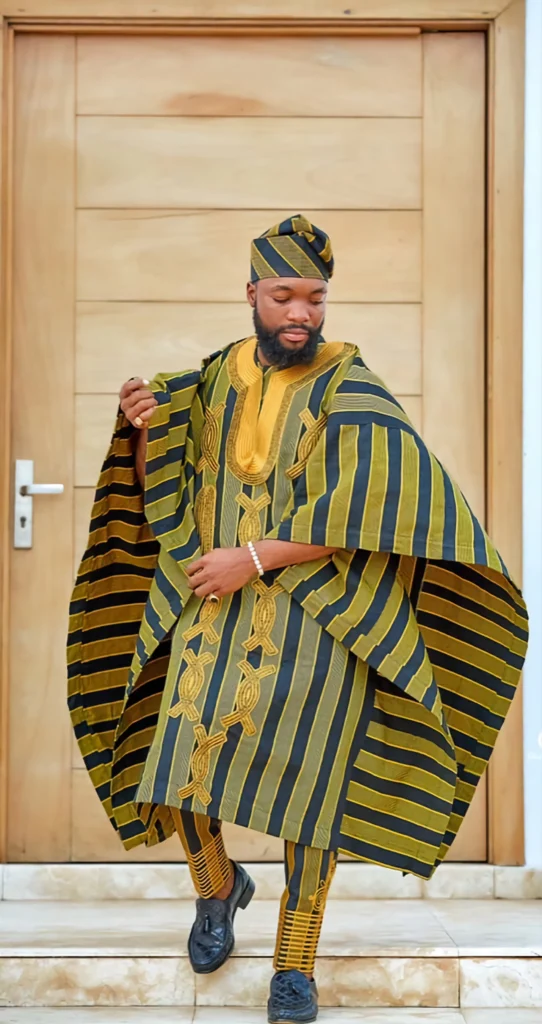
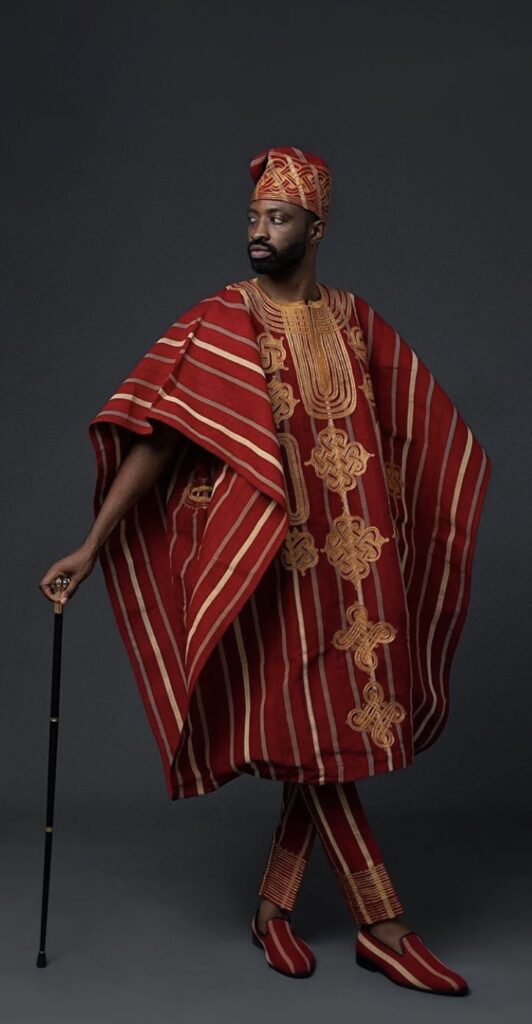
African men’s clothing is defined by powerful textiles. Kente from Ghana is woven in bright geometric patterns, once reserved for kings. Ankara (often called African wax print) is bold and expressive, used in both traditional and modern designs. Aso Oke from Nigeria represents nobility and is worn during weddings and coronations.
These fabrics are not random. Colors communicate messages:
When a man wears African traditional clothing, he carries these messages into every space he enters.
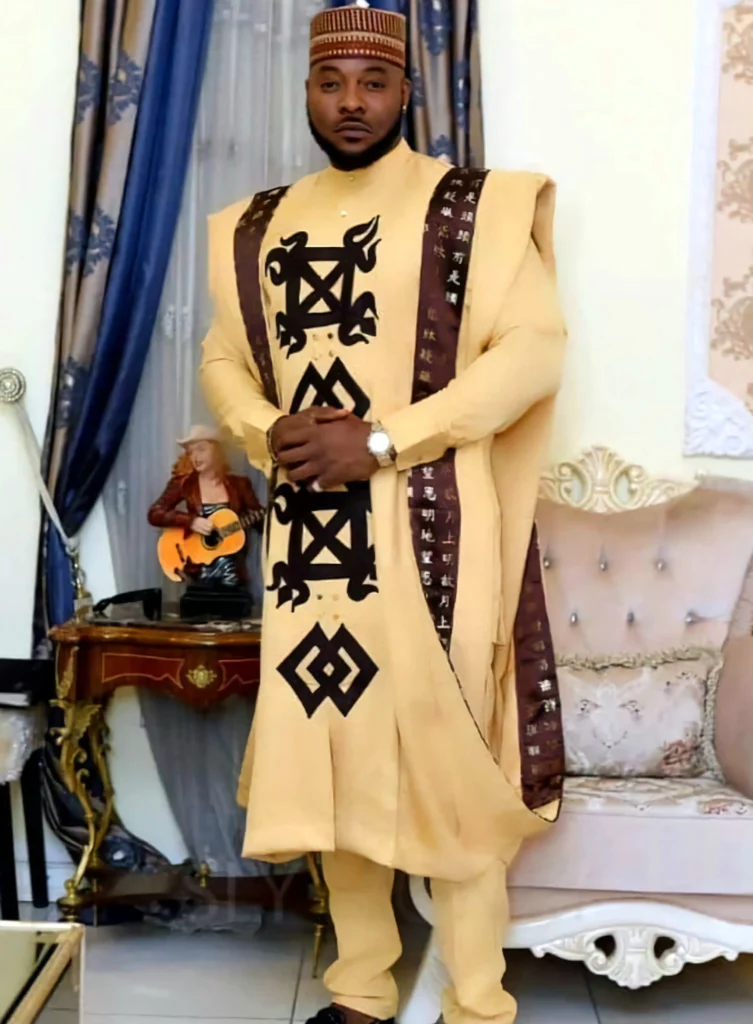
Today’s designers are redefining African wear for men. Traditional garments are being tailored into suits, jackets, shirts, and casual outfits. A man can now wear an Ankara blazer with jeans or a kente-trimmed suit to a corporate event.
This blend of old and new is powerful. It allows African men—both on the continent and in the diaspora—to express pride without abandoning modern lifestyles. African wear is no longer limited to cultural days; it is everyday fashion.
Celebrities, athletes, and world leaders have helped popularize African men’s fashion on global stages. Weddings now feature coordinated traditional outfits for grooms and groomsmen. Social media has turned African fashion into a movement.
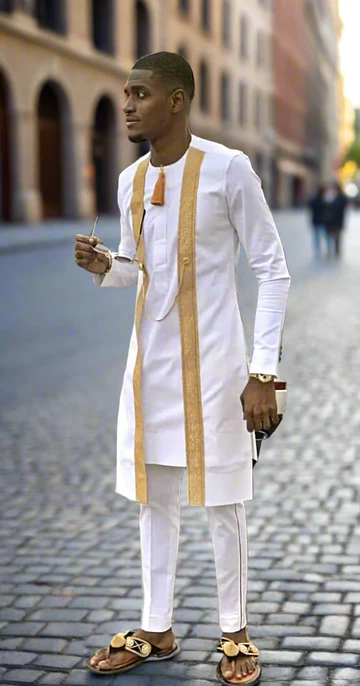
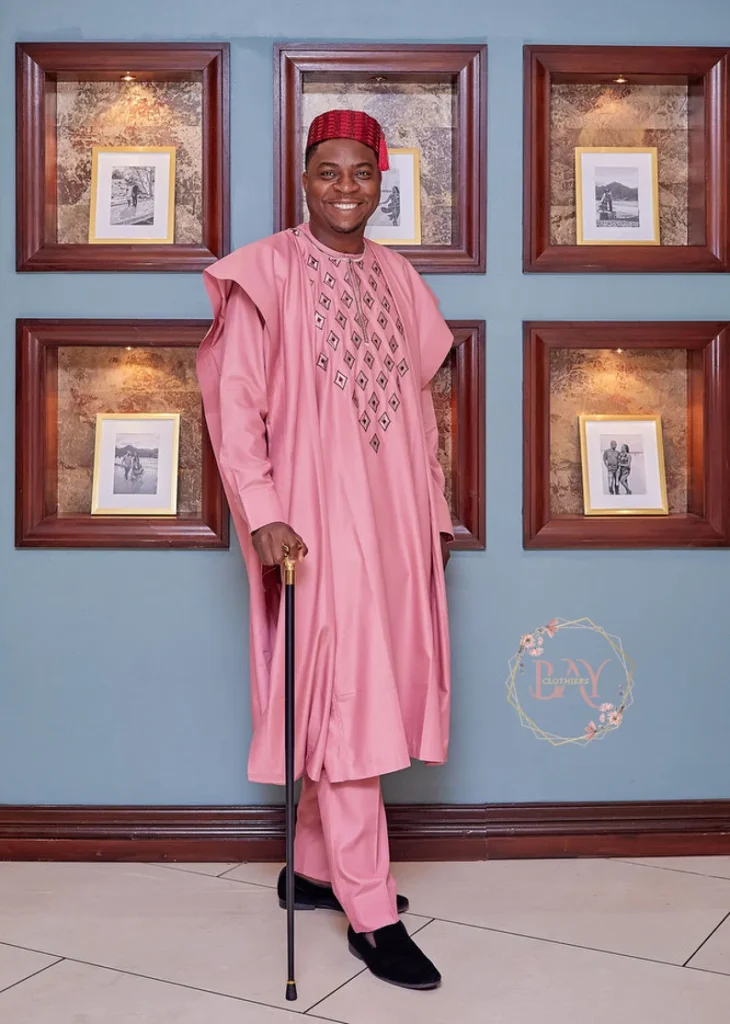
For many African men, wearing traditional clothing is an act of remembrance and resistance. It says, “I know where I come from.” In a world shaped by colonial history and globalization, African wear restores confidence and cultural ownership.
It teaches young boys that their heritage is valuable. It reminds elders that traditions are alive. It connects Africans in the diaspora back to home.
Men’s African traditional clothing is not just about looking good—it is about standing rooted.
Supporting African wear means supporting local tailors, weavers, and designers. It strengthens cultural industries and preserves skills passed down for generations. Every purchase becomes a vote for African creativity and self-expression.
African men should not reserve their culture for special days. Wear it proudly—to work, to meetings, to celebrations, and to the world.
Because every stitch carries a story.
And every story deserves to be seen.
Follow African360 WhatsApp Channel for more African wear: https://whatsapp.com/channel/0029Vb7Oc6nGk1FpdCN0xn44