Physical Address
304 North Cardinal St.
Dorchester Center, MA 02124
Physical Address
304 North Cardinal St.
Dorchester Center, MA 02124
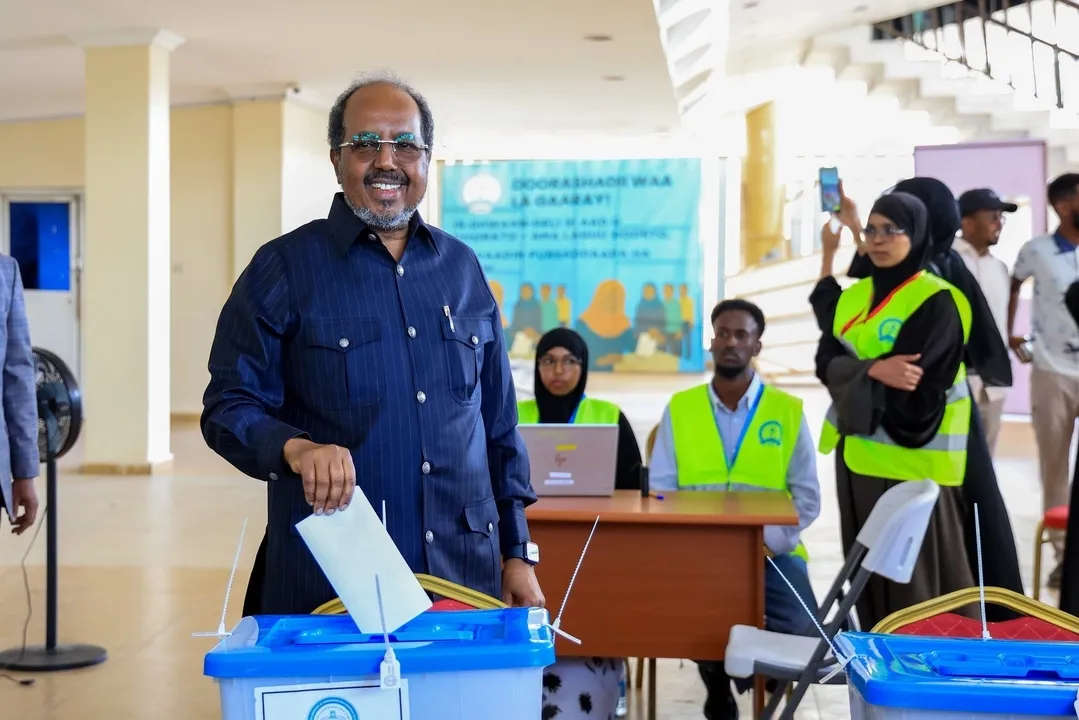
Somalia’s electoral commission has scheduled parliamentary elections for April 15, 2027, and a presidential vote for May 15, 2027, amid an escalating dispute between President Hassan Sheikh Mohamud’s government and opposition leaders over constitutional changes and the country’s electoral process.
Abdikarim Ahmed Hassan, head of the National Independent Electoral and Boundaries Commission, announced the timetable on Thursday, October 15, saying elections would be held for both chambers of the Federal Parliament before the presidential election a month later.
The commission said the schedule was based on the country’s constitutional and electoral provisions, including the rule that the president’s five-year term begins on the date of inauguration.
However, the announcement has not resolved the political dispute surrounding the elections. Opposition groups argue that the timetable lacks the political consensus needed to ensure a credible and widely accepted process.
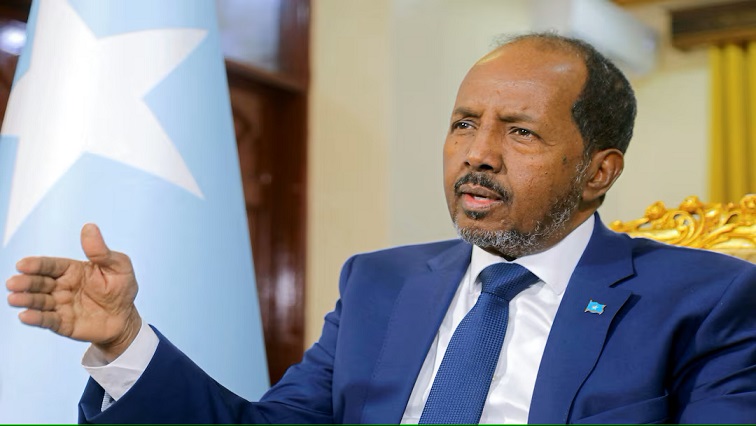
The announcement comes after President Mohamud’s government introduced constitutional amendments that changed the framework for elections and extended the terms of federal institutions.
The amendments were approved by parliament in 2026, but opposition parties boycotted the vote and rejected the changes. The government subsequently declared a transition period while pressing ahead with its proposed electoral arrangements.
Mohamud has advocated a move towards direct, party-based elections, replacing Somalia’s longstanding system in which clan elders and selected delegates play a central role in choosing political representatives.
Supporters of electoral reform argue that direct voting could broaden public participation. Critics, however, contend that changes to the electoral system and presidential term should be agreed upon through an inclusive political process rather than advanced unilaterally.
Former President Mohamed Abdullahi Farmaajo condemned the announcement, describing the decision as a threat to Somalia’s statehood and future. He called for an agreement involving all political factions before the country proceeds with the elections.
Another former president, Sheikh Sharif Sheikh Ahmed, warned that a disputed process could result in rival elections and potentially trigger further conflict.
The opposition’s concerns centre on the legitimacy of the constitutional amendments, the authority under which the timetable was established and whether the proposed process will be accepted by federal member states and political groups outside the government’s camp.
The federal government welcomed the announcement, describing it as an important step towards strengthening Somalia’s democratic institutions.
It called on political parties and other stakeholders to engage peacefully and in good faith with the electoral process.
For the government, the timetable represents progress towards a system in which citizens can participate more directly in choosing their representatives.
However, political analyst Samira Gaid warned that proceeding without a broader agreement could deepen divisions within the country.
Gaid told AFP that the absence of political consensus over the elections could lead to greater fragmentation and confrontation between the federal government and regional administrations.
Some residents in Mogadishu also questioned the legitimacy of a timetable they viewed as having been announced without sufficient consultation with the opposition.
The dispute raises questions about whether the commission will be able to implement the schedule across the country and secure participation from political actors who reject the constitutional changes underpinning it.
Somalia’s electoral preparations are taking place against a continuing security threat from al-Shabab, the armed group affiliated with al-Qaeda.
The group has fought the federal government for years, maintains a presence in parts of southern and central Somalia and has carried out deadly attacks in Mogadishu and neighbouring countries.
Although President Mohamud has said the group no longer has a presence in major cities, the wider security challenge remains significant. Areas affected by insurgent activity could face additional obstacles in organising voter registration, campaigning and polling.
The security situation also complicates efforts to expand direct elections nationwide, particularly where the government’s administrative reach and ability to guarantee safe political participation remain limited.
Somalia’s domestic political dispute comes amid broader regional challenges, including its relationship with neighbouring Ethiopia.
Tensions escalated in January 2024 after Ethiopia signed a memorandum of understanding with Somaliland concerning access to the sea. Somalia condemned the agreement as a violation of its sovereignty, while Somaliland has sought international recognition as an independent state.
Somalia and Ethiopia later agreed to ease tensions through diplomatic engagement.
In an interview with Al Jazeera earlier in October, Mohamud described relations with Ethiopia as good and said Somalia did not object in principle to the landlocked country gaining access to the sea through an agreement involving Somali ports, provided the arrangement respected Somalia’s interests and sovereignty.
The regional environment adds to the pressures facing Somalia’s leaders as they seek to manage domestic political disagreements, security threats and relations with neighbouring states.
The announced timetable sets out two key dates: parliamentary elections on April 15, 2027, followed by the presidential election on May 15.
But publishing dates is only one part of organising an election. The process will also require preparations for voter registration, candidate participation, election administration and security, alongside sufficient political agreement for the results to be broadly accepted.
The commission’s announcement has therefore created a timetable without resolving the dispute over the legitimacy and design of the electoral process.
Whether Somalia can proceed without further confrontation will depend in part on the willingness of the federal government, opposition leaders and regional administrations to negotiate outstanding disagreements.
For now, the 2027 elections remain a major test of Somalia’s efforts to strengthen democratic governance while navigating political divisions and an ongoing security crisis.
African360 WhatsApp Channel for more News update: https://whatsapp.com/channel/0029Vb7Oc6nGk1FpdCN0xn44