Physical Address
304 North Cardinal St.
Dorchester Center, MA 02124
Physical Address
304 North Cardinal St.
Dorchester Center, MA 02124

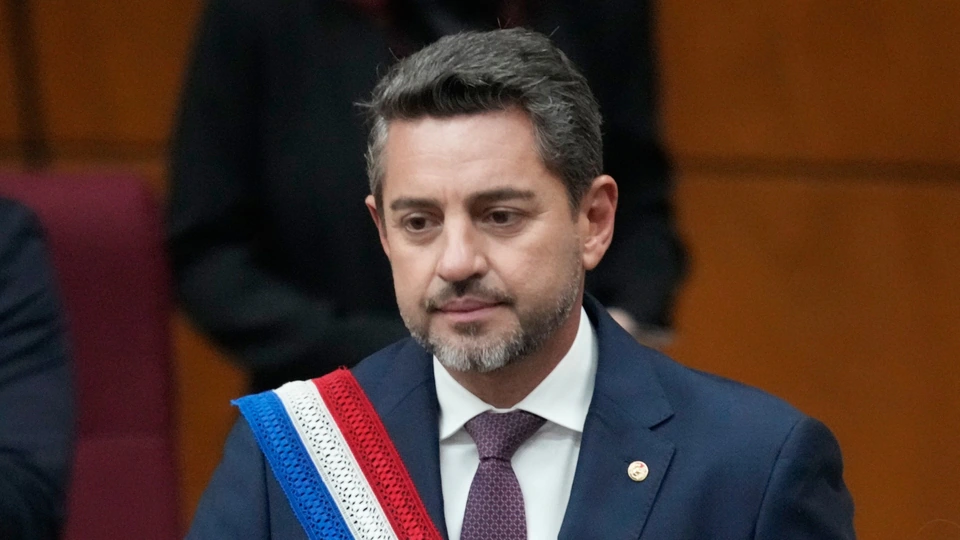
Paraguay’s President Santiago Peña has been removed from office and placed under house arrest following a major banking crisis that left millions of people unable to access their savings.
The political crisis erupted after the Central Bank took control of Ueno Bank, a major financial institution linked to Peña, amid concerns over its financial position.
The bank’s collapse and subsequent intervention triggered widespread public anger, with approximately 2.94 million customers affected in a country with a population of about 6.1 million.
On Friday, November 6, lawmakers proceeded with impeachment proceedings against Peña despite his decision to submit his resignation a day earlier.
The Senate voted 44 to 0 to remove him from office, with one senator absent. He was found guilty of misconduct in office, stripping him of the immunity associated with his position as a former president and clearing the way for criminal proceedings.
Prosecutors subsequently ordered his arrest, and authorities placed him under house arrest pending questioning.
The impeachment followed allegations of conflicts of interest, improper influence over financial regulators, misuse of public and pension funds, and an institutional cover-up connected to Ueno Bank.
Peña previously held shares in Grupo Vázquez, the company associated with the bank, but sold his stake in April 2025.
Lawmakers alleged that his administration failed to properly oversee the institution and that public funds were exposed to financial risks.
The former president has denied wrongdoing.
Prosecutor Silvia Margarita González Vester said Peña would be questioned over alleged breach of trust, influence peddling and misappropriation of funds.
The investigation is also examining the role of former Central Bank chief Carlos Carvallo, who was among the officials targeted by prosecutors.
The crisis has caused serious disruption for customers, pensioners and businesses across Paraguay.
Ueno Bank had become a major financial institution, handling customer deposits as well as funds belonging to public institutions.
Following the Central Bank’s intervention, millions of customers reported being unable to access their savings and make payments.
The situation triggered long queues outside bank branches in the capital, Asunción, as customers attempted to withdraw their money.
Thousands of people also took to the streets demanding the return of their savings and accountability from government officials.
Some demonstrations turned violent, with police using tear gas and water cannons to disperse protesters.
The Central Bank has begun arrangements for the gradual release of funds to affected customers, with initial payments targeting eligible depositors.
Following Peña’s removal, Vice-President Pedro Alliana was sworn in as Paraguay’s new president.
Alliana is expected to serve the remainder of the presidential term, which runs until August 2028.
In his first public remarks, he promised that people affected by the banking crisis would not be abandoned.
“Compatriots who are now going through a difficult time as a result of the financial collapse will be fully compensated,” Alliana said.
He also pledged to work towards restoring public confidence in the country’s financial institutions.
However, the new president is also facing political pressure, with opposition lawmakers having previously attempted to initiate impeachment proceedings against him over the crisis.
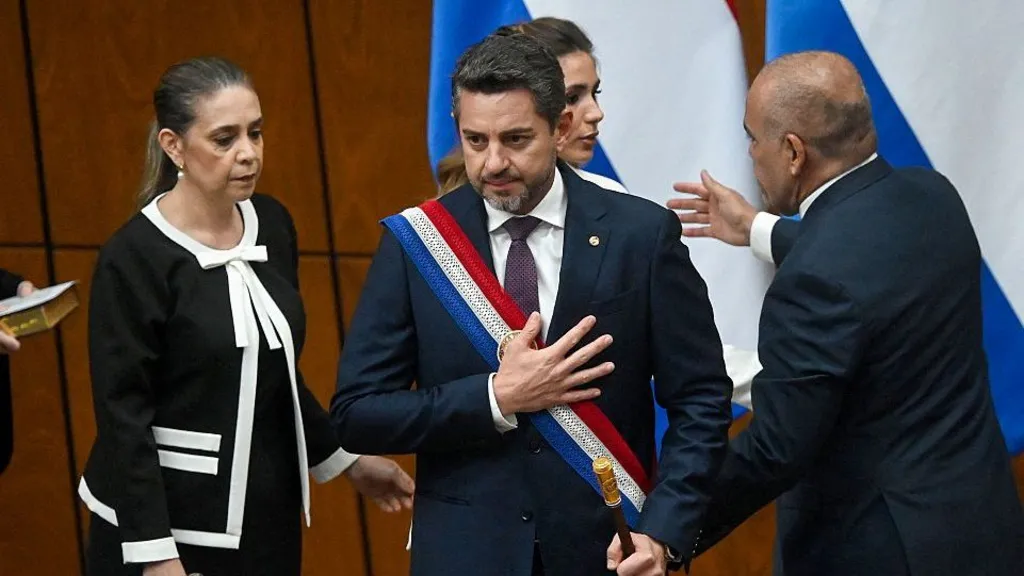
Before his removal, Peña announced that he had submitted his resignation, saying his priority was to restore confidence in Paraguay’s financial system and protect citizens affected by the banking crisis.
In a video message posted on X, he said it had never been his intention to betray the trust placed in him by the Paraguayan people.
However, lawmakers chose to proceed with impeachment rather than simply accept his resignation.
Senate President Basilio Núñez said Peña had been found guilty of dereliction of duty.
Senator Rafael Filizzola described the banking scandal as one of the biggest corruption crises in Paraguay’s democratic history, warning that it had severely damaged public confidence in the state and the country’s international reputation.
Peña’s defence lawyer, Ricardo Preda, rejected the allegations, describing them as reckless, irresponsible and politically opportunistic.
Peña’s removal marks a dramatic development in Paraguay’s political history and has raised serious questions about financial oversight, public accountability and the relationship between government officials and private financial institutions.
With millions of customers affected, the new administration faces pressure to restore access to deposits, compensate eligible savers and rebuild confidence in the banking sector.
Meanwhile, Peña’s legal troubles are expected to continue as prosecutors investigate allegations surrounding Ueno Bank and the handling of public funds.
African360 WhatsApp Channel for more News update: https://whatsapp.com/channel/0029Vb7Oc6nGk1FpdCN0xn44