Physical Address
304 North Cardinal St.
Dorchester Center, MA 02124
Physical Address
304 North Cardinal St.
Dorchester Center, MA 02124

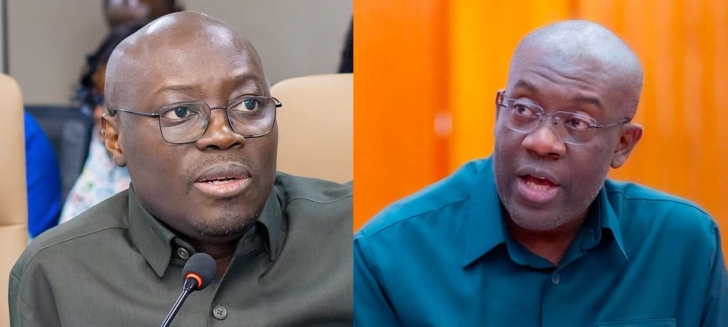
Former Information Minister and Ofoase-Ayirebi MP Kojo Oppong Nkrumah has challenged the government to account for its existing economic programmes before committing public resources to the proposed “New Economy” agenda.
Finance Minister Dr Cassiel Ato Forson has spent recent weeks consulting industry, government ministries and financial institutions ahead of the programme’s expected unveiling in the 2027 Budget.
The government says the New Economy will move Ghana from economic stabilisation to transformation, with about US$10 billion in investment over four years targeted at areas including commercial agriculture, mining value addition, energy and transport infrastructure.
Oppong Nkrumah agrees with the stated objective of increasing domestic production and creating jobs but argues that many of the government’s earlier flagship programmes have yet to demonstrate measurable results.
His central question is simple: where are the results?
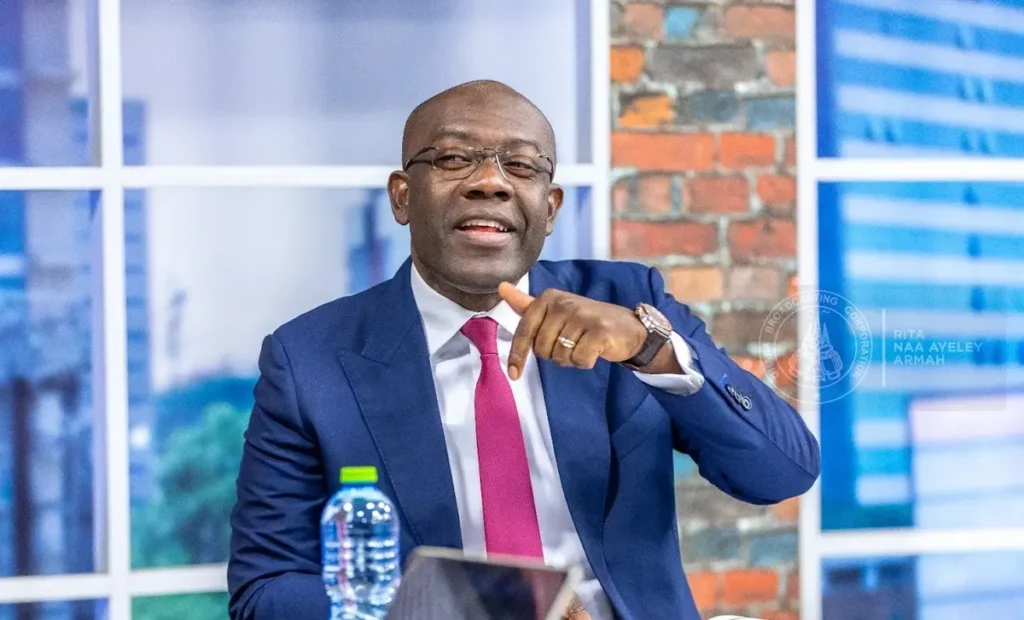
Oppong Nkrumah argues that the government’s 24-Hour Economy programme should be assessed before another major economic initiative is launched.
The programme was presented as a key component of the NDC’s economic agenda, with a target of creating 1.7 million jobs by the end of 2028.
According to Oppong Nkrumah, the programme’s 2026 budget allocation was GH¢110 million. He also questions claims about jobs and businesses operating around the clock, arguing that some of the reported activity does not necessarily demonstrate new economic activity created by the programme.
He says government should publish verifiable information on the jobs reportedly created, including the companies employing workers and their corresponding SSNIT contributions.
The proposed Women’s Development Bank is another programme Oppong Nkrumah highlights.
He argues that despite government allocations and funding commitments, the bank has yet to begin lending to women entrepreneurs.
The government’s 2026 budget guidelines list the establishment of the Women’s Development Bank among its key programmes.
Oppong Nkrumah says the delay has left women who expected access to affordable financing still relying on informal sources of credit.
He is calling for a clear timetable for the bank to begin lending, together with published lending criteria.
Oppong Nkrumah also questions how the One Million Coders Programme is being measured.
The initiative aims to train one million young Ghanaians over four years. He argues that registration and course completion figures do not necessarily demonstrate that participants have acquired marketable skills or secured employment.
He therefore wants government to publish the number of graduates who have moved into jobs or income-generating opportunities.
The MP also raises concerns about the poultry component of the Feed Ghana Programme, known as Nkoko Nkitinkiti.
He cites concerns raised by poultry farmers over the programme’s implementation and points to comments from the Agriculture Minister that some beneficiaries had consumed birds supplied to them instead of raising them.
Oppong Nkrumah argues that government should publish data showing how many beneficiaries remain in production and whether the programme has had a measurable impact on poultry imports.
The government’s 2026 budget documents identify Feed Ghana and Nkoko Nkitinkiti as part of its agricultural transformation agenda.
A central argument in Oppong Nkrumah’s commentary is that several areas highlighted under the proposed New Economy already feature in existing government programmes.
Commercial agriculture is part of Feed Ghana, while agro-processing and energy investments have links to the 24-Hour Economy agenda.
He also argues that improving access to finance for small producers was a major rationale behind the proposed Women’s Development Bank.
The question, therefore, is whether the New Economy represents a substantially new policy direction or a restructuring of programmes already announced.
The government, meanwhile, says the programme is intended to move Ghana beyond stabilisation and towards productive investment, job creation, value addition and sustainable growth.
Oppong Nkrumah also challenges the government’s narrative surrounding Ghana’s recent economic stabilisation.
He argues that the macroeconomic gains being highlighted by the current administration were built partly through reforms implemented under the previous government, including Ghana’s IMF programme and debt restructuring.
The IMF’s latest review confirms that Ghana made significant progress in macroeconomic stabilisation, including a sharp fall in inflation, improved reserves, a stronger primary balance and an improved debt outlook.
The IMF also confirmed that Ghana’s current programme concluded with the sixth and final review in July 2026.
However, the Fund has said Ghana could lower its primary surplus target from 1.5% of GDP in 2026 to 0.5% from 2027, provided the government continues strengthening domestic revenue mobilisation, public financial management, investment management and oversight of state-owned enterprises.
Oppong Nkrumah questions whether the government’s fiscal discipline can be sustained as it creates additional room for development spending.
Oppong Nkrumah is calling on Parliament to demand clearer evidence before approving further major commitments under the New Economy.
Among his proposals are a publicly verifiable register of jobs created under the 24-Hour Economy, a firm timetable for the Women’s Development Bank to begin lending, employment data for One Million Coders graduates and an independent assessment of Nkoko Nkitinkiti.
He also wants the government to present a detailed plan for Ghana’s upcoming debt maturities before Parliament considers changes to the country’s fiscal framework.
The IMF has acknowledged that Ghana faces substantial development needs and that carefully managed fiscal space could support higher development spending, but it has stressed that this depends on credible reforms and continued progress in revenue mobilisation and public financial management.
The government’s position is that stabilisation was only the first stage of its economic programme.
Finance Minister Ato Forson has said the New Economy will focus on producing more goods locally, adding value to Ghanaian resources, expanding exports and creating jobs.
At a recent engagement with the Association of Ghana Industries, he said the programme would involve US$10 billion in strategic investment over four years and urged businesses to invest with confidence.
The full framework is expected to be presented in the 2027 Budget, giving Parliament and the public the opportunity to examine its financing, targets and implementation arrangements.
For Oppong Nkrumah, however, that opportunity should also include a detailed account of what happened to the promises made under the government’s existing programmes.
His argument is that before Ghana embraces a new economic promise, it should first measure the results of the old ones.
African360 WhatsApp Channel for more News update: https://whatsapp.com/channel/0029Vb7Oc6nGk1FpdCN0xn44