Physical Address
304 North Cardinal St.
Dorchester Center, MA 02124
Physical Address
304 North Cardinal St.
Dorchester Center, MA 02124

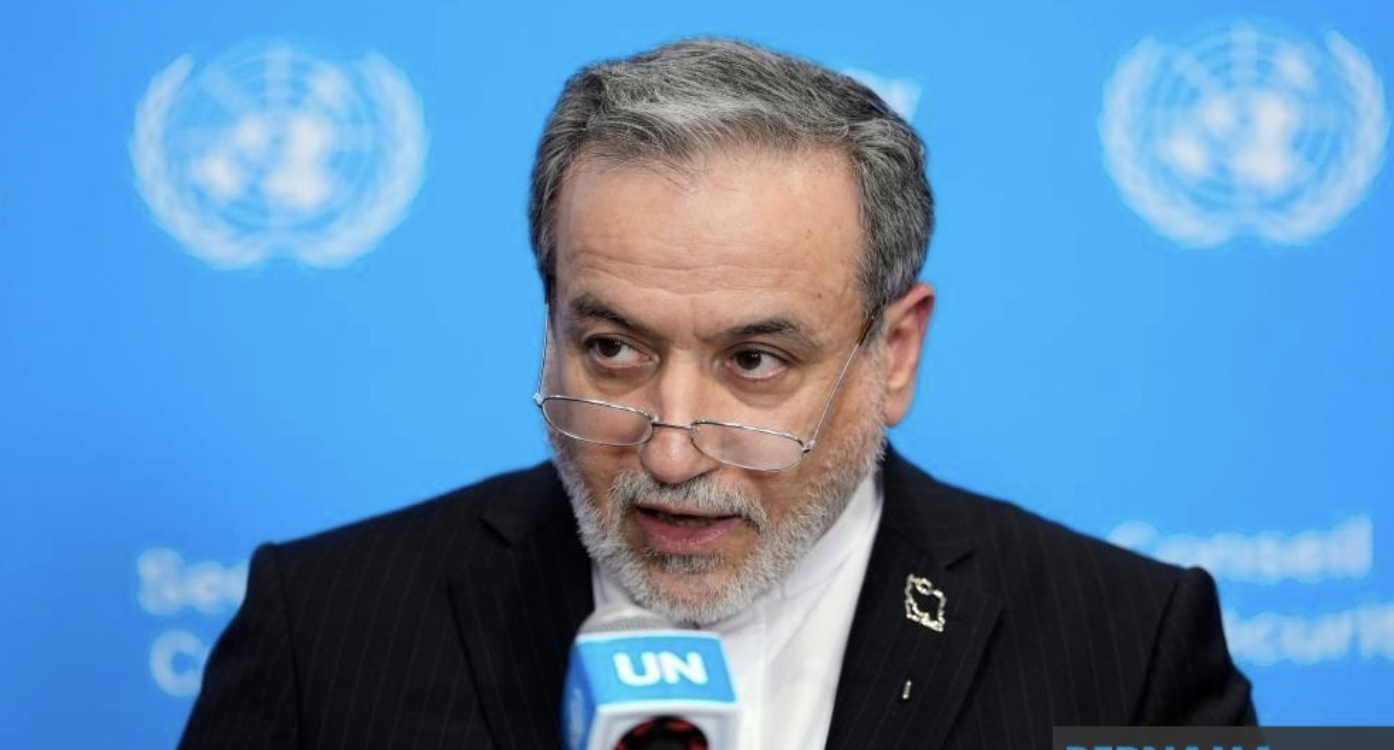
Iran has offered the United States a seven-day roadmap to restore normal shipping through the strategically vital Strait of Hormuz, but reports say President Donald Trump has rejected the proposal, raising fresh uncertainty over the conflict and global energy supplies.
Iranian Foreign Minister Abbas Araghchi says Tehran has delivered Washington a proposal that could see the Strait of Hormuz reopened within seven days if the United States accepts a series of conditions linked to an earlier ceasefire understanding.
Speaking on the sidelines of the United Nations General Assembly in New York, Araghchi said Iran had transmitted the proposal through Qatar, which has been acting as an intermediary between Tehran and Washington.
“If the necessary conditions are met, the strait can be reopened, and normal maritime passage restored within seven days,” Araghchi said.
He added that Iran was ready to move quickly if the United States demonstrated what Tehran considers genuine commitment to a negotiated settlement.
However, a subsequent report by The Wall Street Journal, citing US officials, said Trump had rejected the Iranian proposal and privately remained sceptical that Tehran would meet his demands.
Araghchi has not publicly disclosed every detail of Tehran’s proposal, but reporting by the Associated Press says the plan would require Washington to lift its naval blockade of Iranian ports, waive sanctions affecting Iranian oil sales and observe a ceasefire covering the wider region, including Lebanon.
The Iranian proposal is based heavily on a 14-point memorandum of understanding reached in June, which was intended to establish a ceasefire and create a framework for negotiations over Iran’s nuclear programme and freedom of navigation through Hormuz.
Araghchi said the conditions Iran was presenting were not fundamentally new.
“The actions that the United States should take are not new. They are all already in the MOU,” he said.
According to Iranian officials, once Washington accepts the arrangement, the seven-day process would begin, with the strait expected to return to normal commercial navigation at the end of the period and nuclear negotiations resuming.
Iranian President Masoud Pezeshkian has also indicated that Tehran remains prepared to return to the earlier diplomatic framework.
Pezeshkian said the ceasefire process could begin immediately once Washington accepts the proposal, arguing that Iran and the United States had already established a basis for negotiations.
He also said Tehran would allow UN nuclear inspectors to return to Iran as part of negotiations over the country’s nuclear programme.
Iran has repeatedly rejected accusations that it is seeking to develop a nuclear weapon, while the United States and its allies have continued to demand safeguards and verification concerning Tehran’s nuclear activities.
The June MOU included commitments relating to Iran’s nuclear programme, sanctions and navigation through the Strait of Hormuz. The House of Commons Library notes that the full official text of the agreement has not been publicly released, although versions briefed to journalists and released by Iran contain broadly similar provisions.
The dispute extends far beyond Iran and the United States.
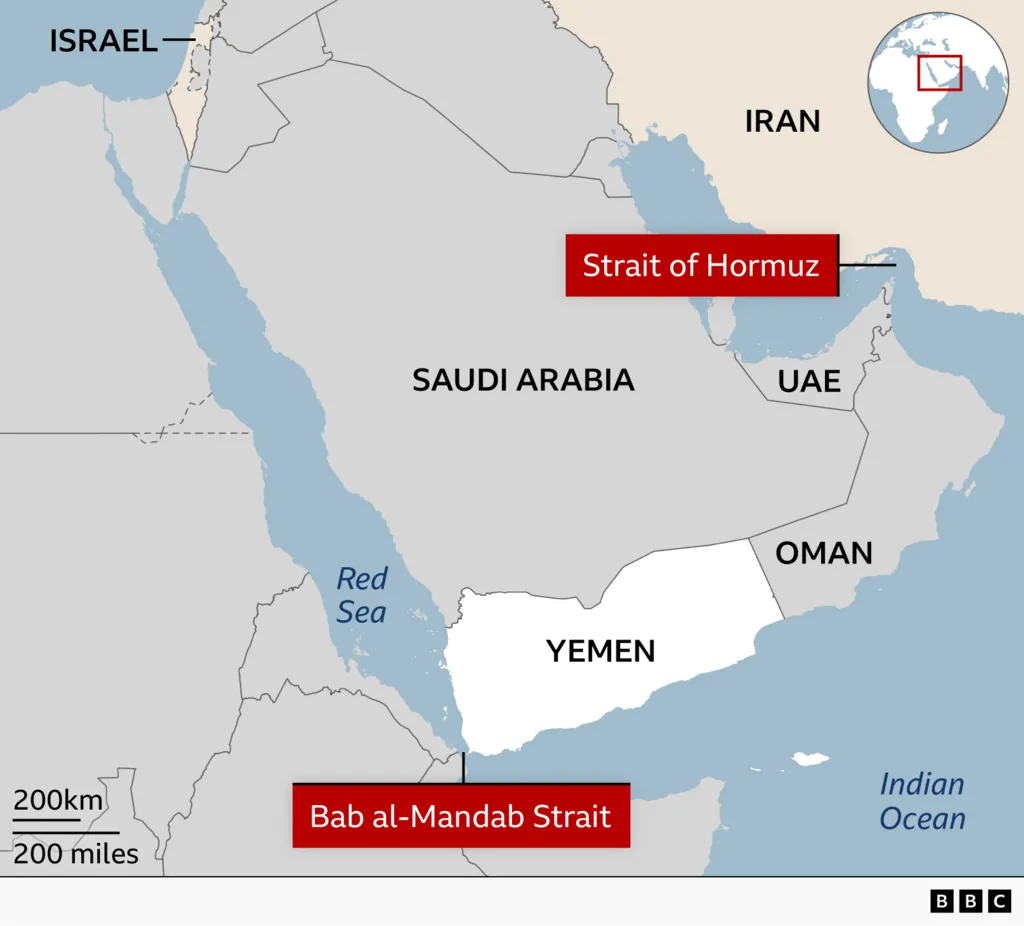
The Strait of Hormuz is one of the world’s most important energy chokepoints, linking the Persian Gulf with the Gulf of Oman and the wider Indian Ocean.
Before the conflict, roughly one-fifth of the world’s traded oil and gas passed through the waterway.
Its disruption has therefore affected energy prices, shipping costs and supply expectations across international markets.
The continuing restrictions have also placed additional pressure on governments and businesses already dealing with elevated energy costs.
According to shipping data cited by the Associated Press, recent traffic has fallen dramatically compared with normal levels, with the number of daily vessel transits at times dropping into single digits.
While Tehran has presented the proposal as an opportunity for Washington to restart diplomacy, the US position remains significantly different.
A US official told the BBC that Washington believed it was in a strong position regarding control of the Strait of Hormuz and therefore was not under pressure to accept an agreement quickly.
The White House has nevertheless acknowledged that discussions through mediators have been taking place.
The conflicting signals underline how difficult it may be for the two sides to rebuild trust after the collapse of the June arrangement.
The current proposal is closely connected to the agreement reached between Iran and the United States in June.
That arrangement was intended to provide a temporary ceasefire and establish a period for negotiations covering several major issues, including:
But the arrangement broke down after hostilities resumed.
Iran subsequently restricted shipping through the strait, while the United States maintained pressure on Iranian ports and energy exports.
The latest proposal therefore represents another attempt to revive a diplomatic framework that has already failed once.
The Strait of Hormuz is not the only major shipping route facing disruption.
Iran-allied Houthi forces in Yemen have also intensified attacks affecting the Red Sea and the Bab el-Mandeb Strait, another critical passage for global trade.
The development has increased concern over the possibility of simultaneous pressure on two of the world’s most important maritime corridors.
The Associated Press reported that the renewed Yemen conflict has also complicated regional diplomacy, with Saudi Arabia and other Gulf states closely watching developments.
Trump has continued to present the US position as one of considerable leverage.
During his address to the UN General Assembly, he suggested that a possible agreement with Iran could come after the November US congressional elections, while also warning that Washington could choose a much more aggressive course if negotiations fail.
Iran, meanwhile, has rejected what it describes as threats and coercion.
Araghchi said Friday that Iran would not accept negotiations conducted under intimidation, arguing that threats could not provide the foundation for lasting peace.
The immediate question is whether the reported rejection by Trump closes the diplomatic window or whether negotiations through Qatar and other intermediaries can continue.
Iran says it has prepared a concrete seven-day roadmap and is ready to reopen the Strait of Hormuz if Washington accepts its conditions.
Washington, however, has not publicly embraced the proposal, while reports that Trump has rejected it point toward continued confrontation.
For global markets, the stakes are substantial.
A sustained reopening of Hormuz could ease pressure on oil and gas supplies and reduce uncertainty for international shipping. Continued disruption, on the other hand, could prolong volatility across energy markets and increase the cost of transporting goods around the world.
For now, the Strait of Hormuz remains at the centre of the diplomatic and economic struggle between Iran and the United States.
The Hormuz crisis demonstrates how a conflict involving two countries can quickly become a global economic issue.
For Africa, the consequences are particularly important because many economies remain sensitive to changes in fuel prices, freight costs and imported inflation. Higher international energy prices can increase transportation, electricity and production costs, placing additional pressure on households and businesses.
The diplomatic proposals also show that control of strategic maritime routes has become an important bargaining tool in the conflict.
Iran is linking the restoration of normal shipping to wider issues including sanctions, military operations and nuclear negotiations. The United States, meanwhile, appears to be weighing whether continued pressure can secure broader concessions from Tehran.
The key uncertainty now is whether diplomacy can prevent another escalation.
With both sides having already experienced the collapse of an earlier agreement, any new arrangement would require not only political commitments but mechanisms capable of verifying compliance and preventing another rapid breakdown.
For the global economy, the most important question is straightforward: can diplomacy reopen one of the world’s most important energy corridors before further disruption spreads through international markets?
African360 WhatsApp Channel for more News update: https://whatsapp.com/channel/0029Vb7Oc6nGk1FpdCN0xn44