Physical Address
304 North Cardinal St.
Dorchester Center, MA 02124
Physical Address
304 North Cardinal St.
Dorchester Center, MA 02124
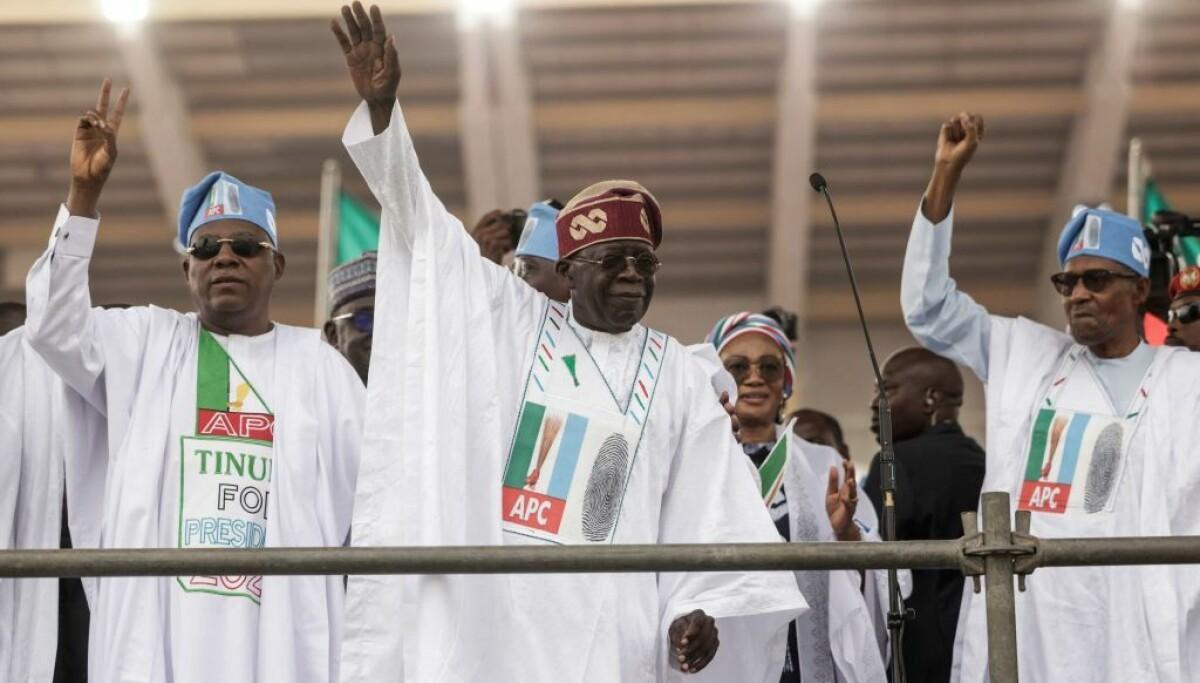
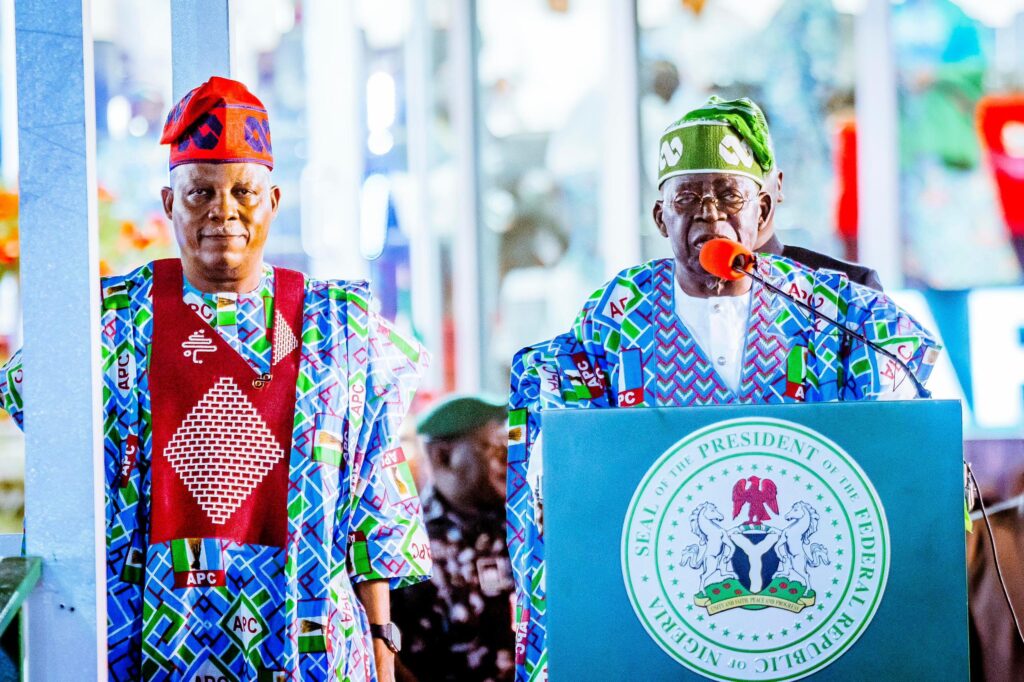
Nigeria’s President Bola Ahmed Tinubu has unveiled his 2027 re-election manifesto, promising to accelerate economic growth, strengthen national security, reduce the cost of living and address the country’s housing shortage ahead of the January 2027 general election.
The manifesto, titled From Reform to Prosperity Agenda 2027–2031, was launched by the ruling All Progressives Congress (APC) on November 10, 2026, outlining the president’s priorities if he secures a second term in office.
Among the major commitments are achieving annual economic growth of 6% by 2031, recruiting an additional 78,000 security personnel and facilitating the construction of 200,000 affordable homes.
The proposals come as Tinubu’s administration faces growing pressure to demonstrate that its economic reforms can translate into meaningful improvements in the lives of ordinary Nigerians.
Since assuming office in May 2023, Tinubu has introduced major economic reforms, including removing the longstanding petrol subsidy, harmonising the official and parallel foreign exchange markets and implementing tax reforms.
Although the measures have received recognition from the World Bank and the International Monetary Fund (IMF) for helping to improve macroeconomic stability, they have also contributed to significant financial difficulties for many households.
The removal of fuel subsidies triggered increases in petrol prices, transportation costs and the prices of essential commodities.
Joshua Osiyemi, who heads Tracka, a platform operated by the BudgIT Foundation, told the BBC that many Nigerian families were struggling to survive on their daily incomes.
He said the organisation’s survey indicated that many households could no longer comfortably manage on 10,000 naira a day.
Research by Nigeria’s International Centre for Investigative Reporting (ICIR) also found that imported rice prices increased by 184% between May 2023 and October 2025.
Other essential food items, including beans, garri and bread, also recorded substantial price increases.
However, there have been some recent signs of improvement. According to SBM Intelligence, the cost of preparing a pot of jollof rice declined by 11.5% between June and September 2026, representing the sharpest reduction recorded by its Jollof Index in a decade.
Despite this improvement, analysts say many households are yet to experience substantial relief from the rising cost of living.
Nigeria’s headline inflation stood at 14.63% in September 2026, compared with a peak of approximately 34.8% in December 2024.
Security remains one of the major challenges facing Nigeria, particularly in the northern regions, where terrorism, banditry, kidnapping and communal conflicts continue to threaten communities.
Under his new manifesto, Tinubu has promised to recruit an additional 28,000 military personnel and 50,000 police officers, bringing the proposed increase in security personnel to 78,000.
The government says the recruitment will strengthen the country’s security architecture and improve its ability to tackle criminal activities.
However, security analysts believe recruitment alone may not resolve Nigeria’s security challenges, which also involve intelligence gathering, inadequate equipment, weak infrastructure and the difficulties of protecting vulnerable communities.
Insecurity has also affected agricultural production, particularly in northern Nigeria, where some farmers are reluctant to return to their farms because of fears of attacks and kidnappings.
This presents another challenge for Tinubu’s economic ambitions, as increased agricultural production will be essential to reducing food prices and achieving the proposed growth target.
The manifesto also places significant emphasis on improving electricity supply, with Tinubu promising to increase power availability towards 10,000 megawatts.
Reliable electricity remains a major concern for Nigerian households and businesses, many of which depend on generators because of persistent power supply challenges.
According to the Nigerian Electricity Regulatory Commission, the country had an installed electricity generation capacity of 13,625MW at the end of 2024 but generated an average of only 4,223MW during that year.
Ageing infrastructure, inadequate maintenance, gas supply constraints and insufficient investment have continued to affect the electricity sector.
Analysts have also questioned how the government intends to finance the proposed improvements, particularly given the financial difficulties facing electricity distribution companies and the wider power industry.
Unreliable electricity has increased operating costs for businesses, affected industrial production and placed additional financial pressure on households.
Addressing Nigeria’s housing shortage is another major component of Tinubu’s re-election agenda.
The president has promised to facilitate the construction of 200,000 affordable homes by 2031.
However, the proposed target represents only a small portion of the country’s housing deficit.
A technical committee established by Nigeria’s housing ministry estimated the national housing deficit at approximately 14.9 million units in 2025.
Delivering affordable homes on the promised scale will therefore require substantial investment, effective planning and collaboration between the government and private-sector developers.
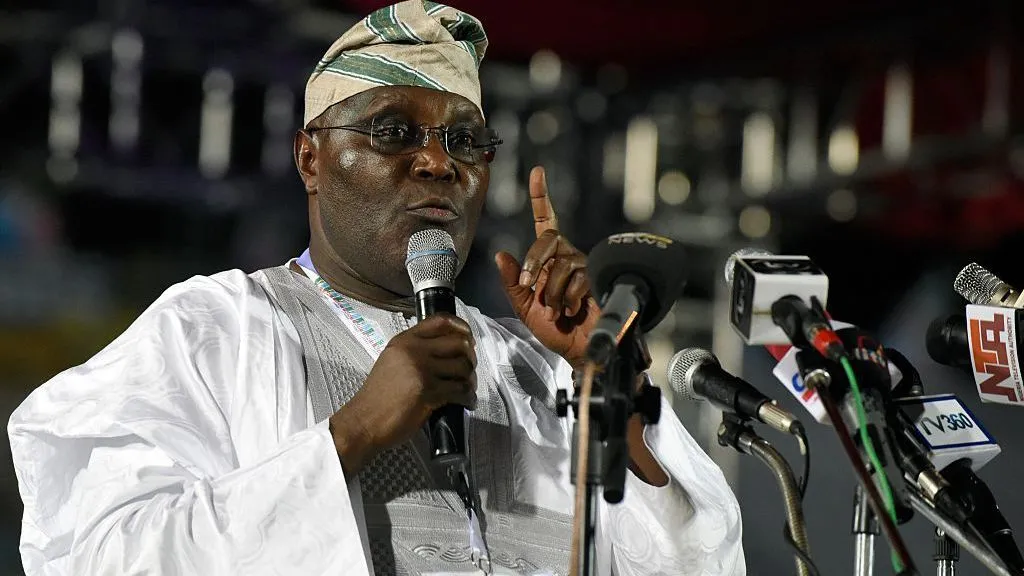
With Nigeria’s general election approaching in January 2027, Tinubu is expected to face strong competition from opposition figures, including former Vice-President Atiku Abubakar and Peter Obi.
Atiku has strongly criticised the president’s decision to remove fuel subsidies, arguing that restoring the subsidy would help reduce the financial burden on ordinary Nigerians.
“My position stands! I will restore subsidy to make life easier and affordable for Nigerians,” Atiku wrote on X.
However, some economic analysts have questioned whether Nigeria can afford to return to the subsidy system, considering the country’s debt obligations and fiscal challenges.
Peter Obi, who finished third in the 2023 presidential election, has also presented his 2027 Governance Agenda under the campaign slogan “A New Nigeria is Possible”.
Obi has placed national unity and security among his major priorities, promising stronger action against kidnappers and other criminal groups.
His message is expected to appeal to voters who are concerned about insecurity, unemployment, economic hardship and governance.
The 2027 election is expected to be heavily influenced by economic conditions, insecurity, unemployment and the rising cost of living.
Although the Tinubu administration has pointed to improvements in inflation and other economic indicators as evidence that its reforms are beginning to deliver results, many Nigerians continue to face difficulties meeting their basic needs.
Analysts say the president’s biggest challenge will be convincing voters that his economic policies can deliver tangible improvements in their daily lives.
Tinubu’s government will also need to demonstrate how it intends to finance and implement its ambitious promises on electricity, housing, security and job creation.
The 2023 presidential election saw Tinubu emerge victorious with approximately 8.79 million votes, ahead of Atiku Abubakar and Peter Obi.
The opposition’s division between two major candidates was widely viewed by analysts as an important factor in the APC’s victory.
As the country prepares for another general election, the ability of opposition parties to build a united political front could become a significant factor in the contest.
For Tinubu, the 2027 election will be an opportunity to seek another mandate. But whether Nigerians are willing to give his administration more time will depend largely on their experiences with the economy, security and living conditions.
African360 WhatsApp Channel for more News update: https://whatsapp.com/channel/0029Vb7Oc6nGk1FpdCN0xn44