Physical Address
304 North Cardinal St.
Dorchester Center, MA 02124
Physical Address
304 North Cardinal St.
Dorchester Center, MA 02124

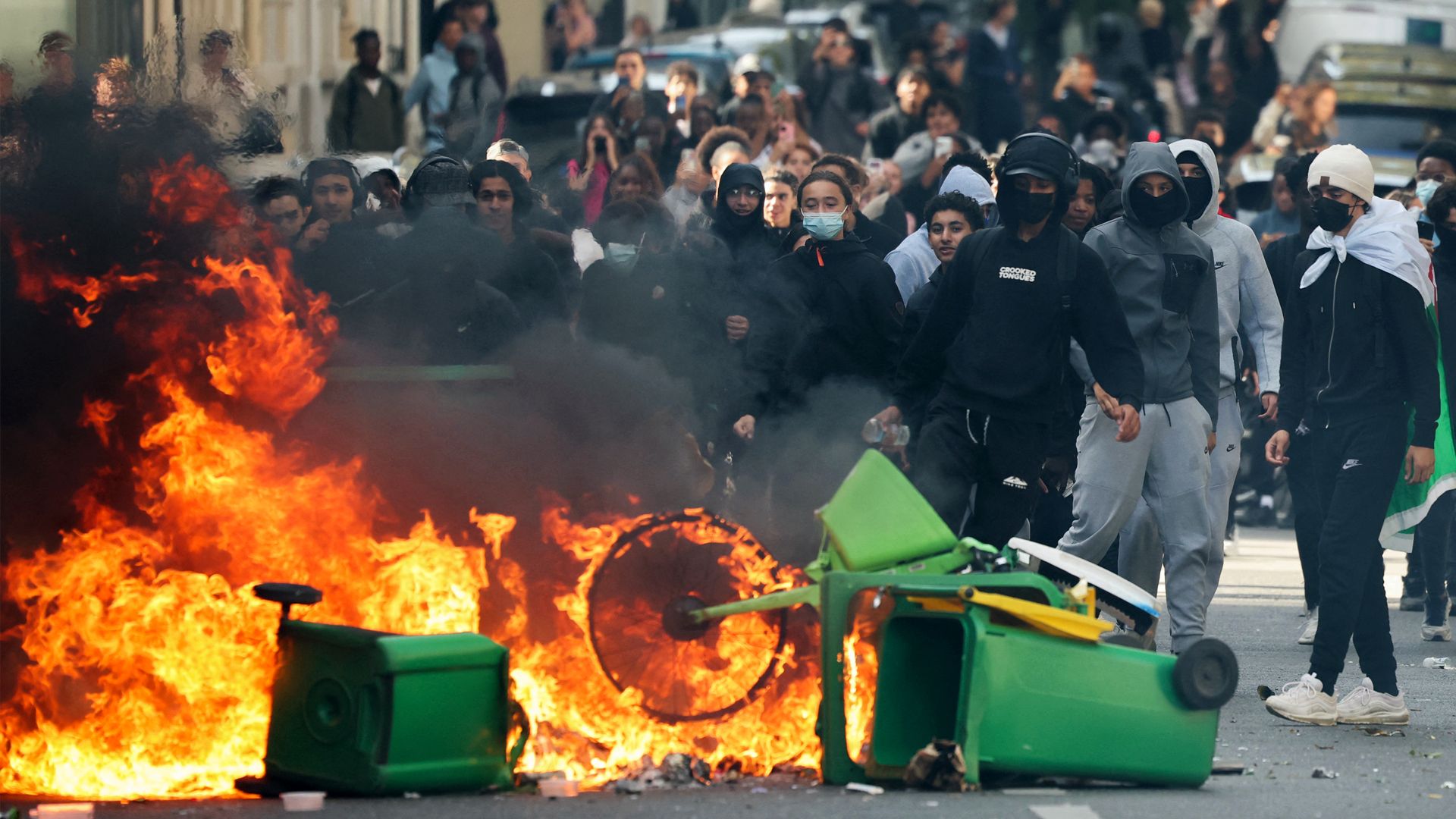
France is preparing for a nationwide day of demonstrations on Tuesday as student protests over education funding and school conditions continue to spread, with thousands arrested and dozens injured during clashes.
France is bracing for another major wave of protests after student organisations called for nationwide mobilisation in support of demands for greater investment in education.
The demonstrations, which began with high school students before spreading to universities, have intensified over the past week. Hundreds of schools have reportedly been blockaded, while authorities say more than 5,000 people have been arrested since the unrest began.
The protests centre on concerns including overcrowded classrooms, deteriorating school buildings and teacher shortages.
French Prime Minister Sébastien Lecornu announced measures on Sunday aimed at addressing what his government described as difficulties facing students and education workers.
Lecornu promised “visible changes” in schools but also warned that the government would not tolerate violence.
“We will make no concessions to violence,” he said, while expressing support for students and education staff who had been assaulted, as well as police officers and gendarmes injured during the unrest.
However, the Union Syndicale Lycéenne (USL), one of the main student organisations behind the demonstrations, rejected the government’s response, saying it had offered “nothing concrete”.
The group urged supporters to join Tuesday’s nationwide mobilisation, accusing authorities of failing to resolve what it described as a political deadlock and an unprecedented crackdown on the movement.
The teachers’ union SNES-FSU has also called on its members to participate in the demonstrations.
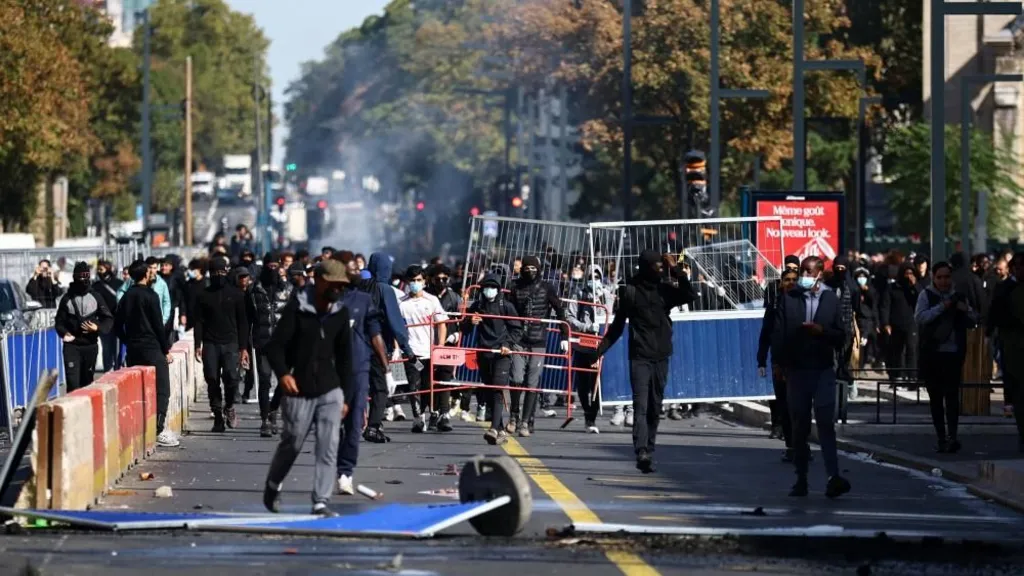
The protests have been accompanied by violent confrontations between demonstrators and police.
On Monday, a 15-year-old boy suffered severe injuries, including the loss of his hand, during a confrontation near a school in Lens in northern France. Officials said the injury was not life-threatening after he was taken to hospital.
Another teenager, 14-year-old Eden, was seriously injured during a protest in Saint-Ouen-l’Aumône last week after reportedly being struck in the head by a tear-gas grenade.
His lawyer said the teenager suffered a double jaw fracture and required major surgery.
Eden’s mother described the incident as “shameful” and “horrific”, saying children should not be subjected to such violence while demonstrating for better conditions in their schools.
Authorities have also reported significant damage to property. Education Minister Édouard Geffray said 24 schools had been “burned and ransacked” since the protests began.
France’s Justice Ministry says 5,060 people have been arrested since the beginning of the unrest.
According to ministry figures, 87% of those arrested were minors, while adults accounted for 13%.
Fourteen people have reportedly been placed in pre-trial detention, while 1,802 people are facing prosecution. Of those facing prosecution, 1,483 are minors and 319 are adults.
Student organisers have accused police of using excessive force during demonstrations.
Interior Minister Laurent Nuñez rejected the allegation, saying last week’s protests had been policed in an “extremely proportionate manner”.
The contrasting accounts have become a major part of the political dispute surrounding the demonstrations.
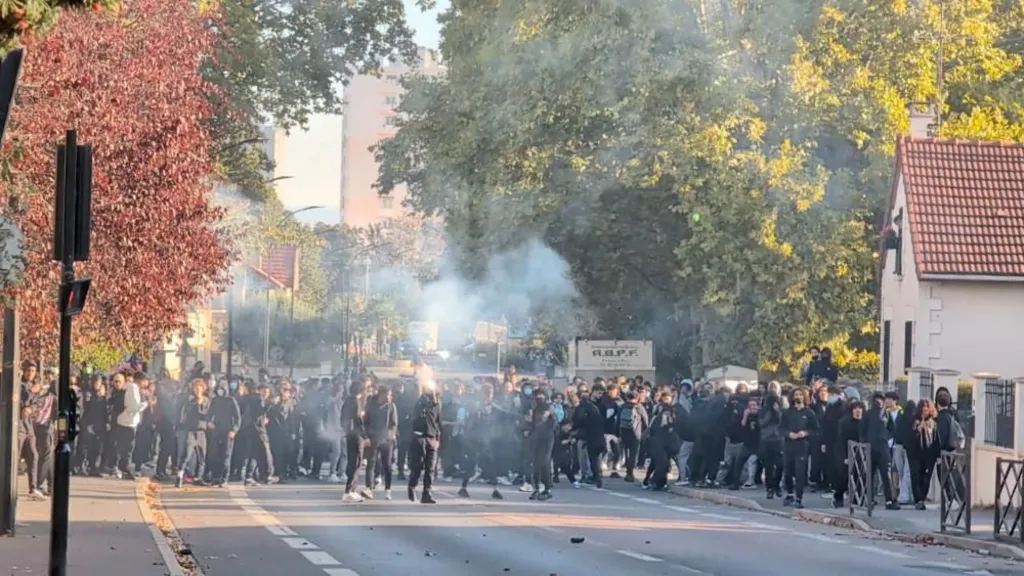
The protests have increasingly become entangled in France’s wider political divisions.
The government and right-wing politicians have accused the radical left of encouraging the unrest.
Prime Minister Lecornu criticised the left-wing La France Insoumise (LFI) party for encouraging the movement to expand.
LFI leader Jean-Luc Mélenchon, meanwhile, described the demonstrations as the most powerful high school and university student movement since 1968, when France experienced one of its most significant periods of social and political unrest.
Mélenchon has accused police of abuses of power and urged people to support young protesters.
National Rally leader Marine Le Pen has taken a sharply different position, arguing that the situation has moved beyond ordinary student demonstrations.
“This is no longer about high school student protests,” Le Pen said, describing the unrest as riots allegedly organised by professionals and accusing LFI politicians of overseeing them.
She has called for a new anti-riot law.
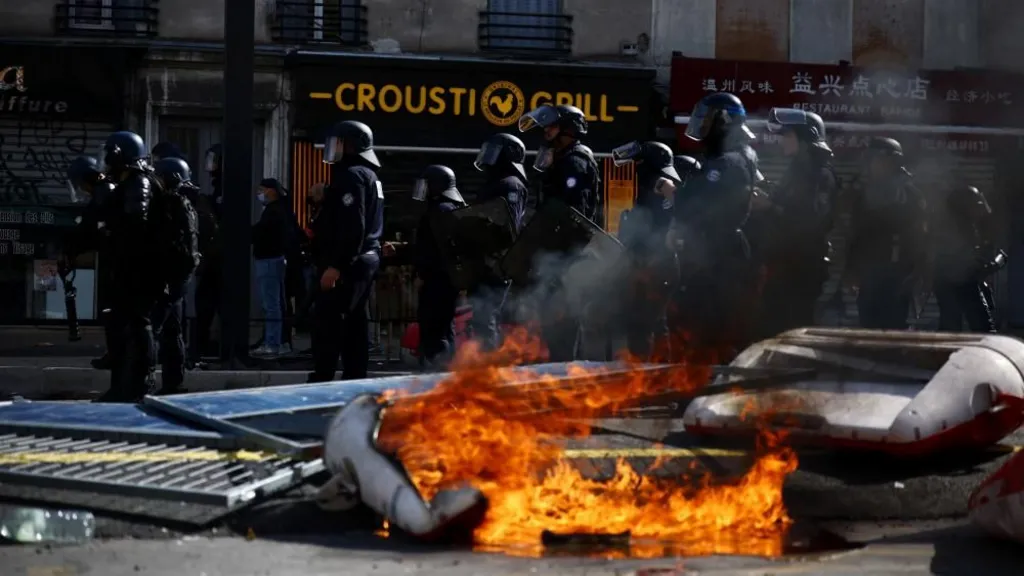
Some political leaders have sought to acknowledge the students’ concerns while rejecting violence.
Marseille Mayor Benoît Payan condemned what he called “unacceptable violence” but said young people had legitimate concerns about their future and public services.
He urged protesters to express those concerns peacefully.
With nationwide demonstrations expected on Tuesday, attention will now turn to the scale of the mobilisation and whether further clashes occur between protesters and security forces.
The government faces growing pressure to address the underlying education concerns while maintaining public order, as student organisations insist that the measures announced so far do not go far enough.
African360 WhatsApp Channel for more News update: https://whatsapp.com/channel/0029Vb7Oc6nGk1FpdCN0xn44