Physical Address
304 North Cardinal St.
Dorchester Center, MA 02124
Physical Address
304 North Cardinal St.
Dorchester Center, MA 02124

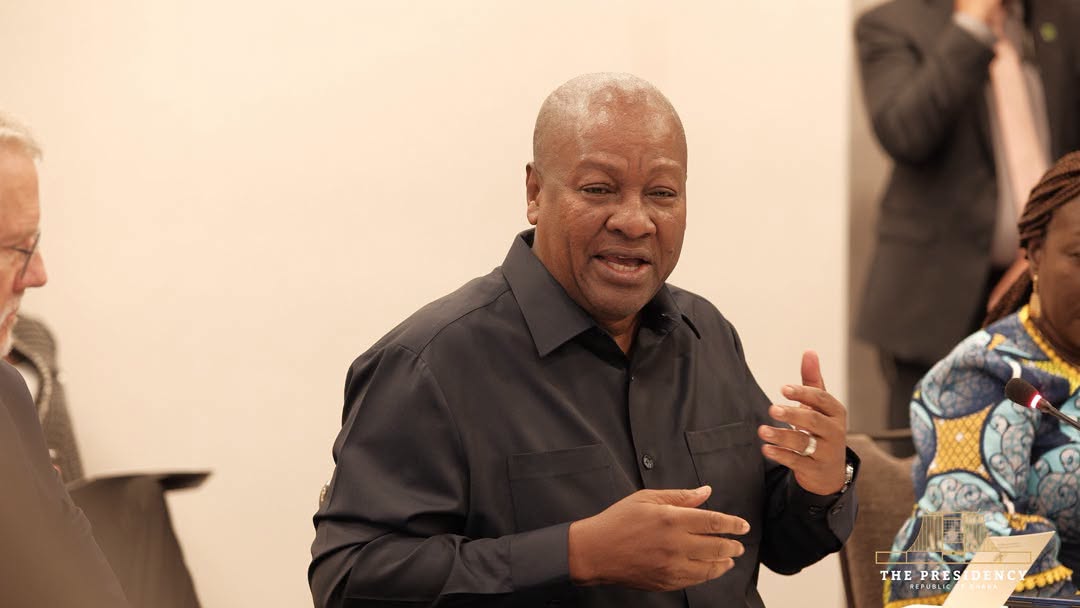
President John Dramani Mahama has called on countries across the Global South to strengthen their institutions, mobilise more domestic resources and build sustainable financing systems as mounting debt pressures and changes in international development cooperation reshape the global landscape.
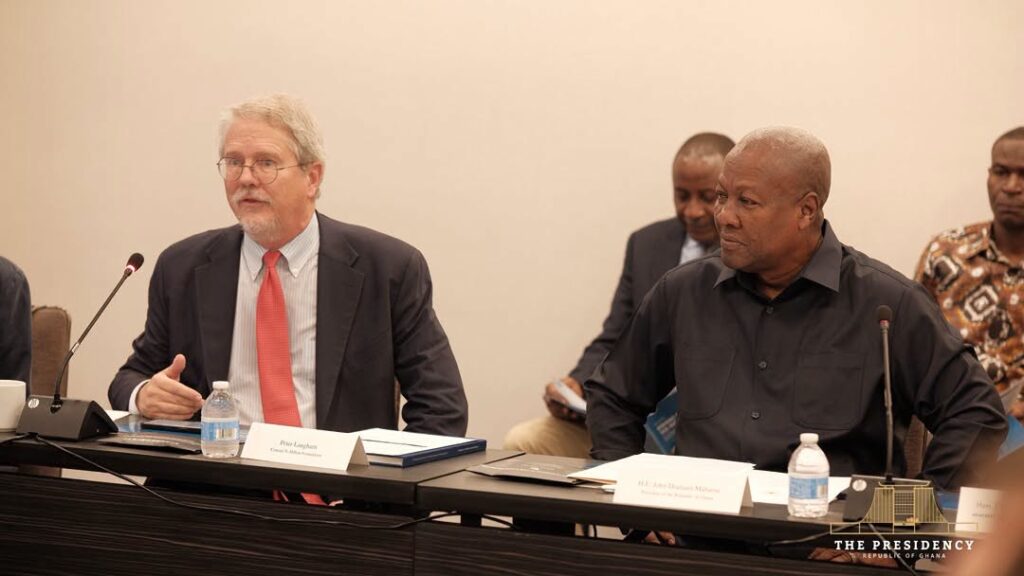
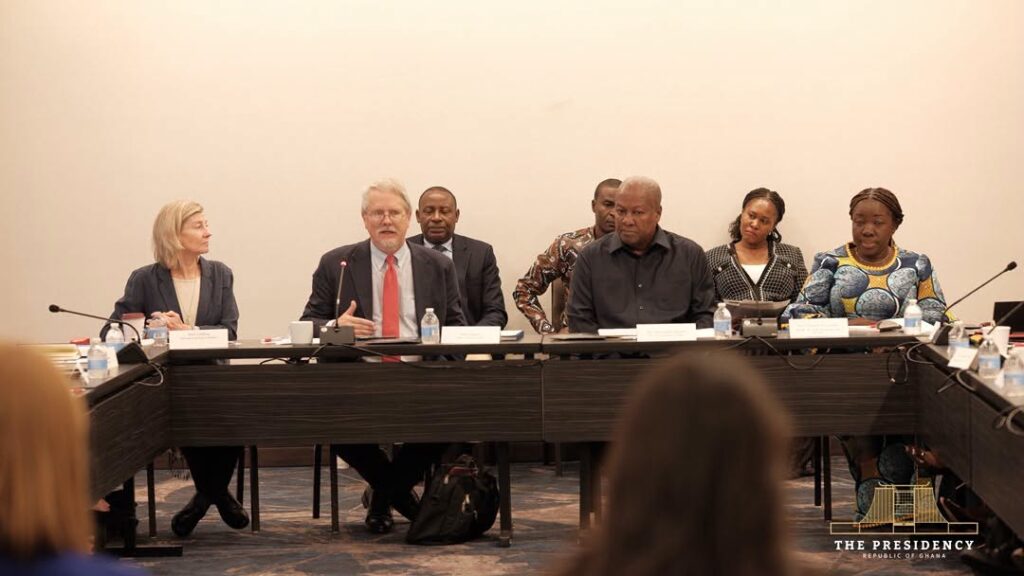
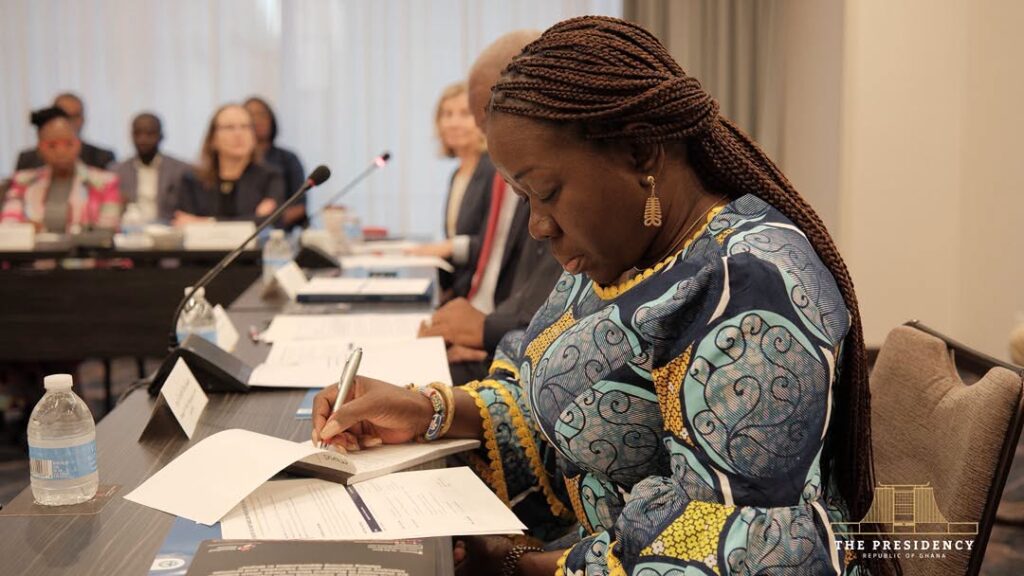
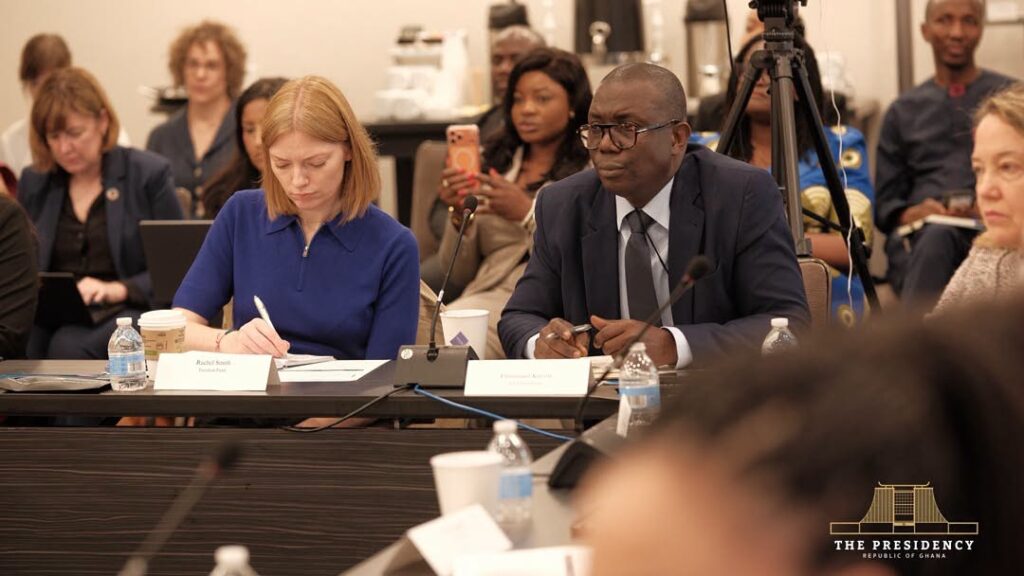
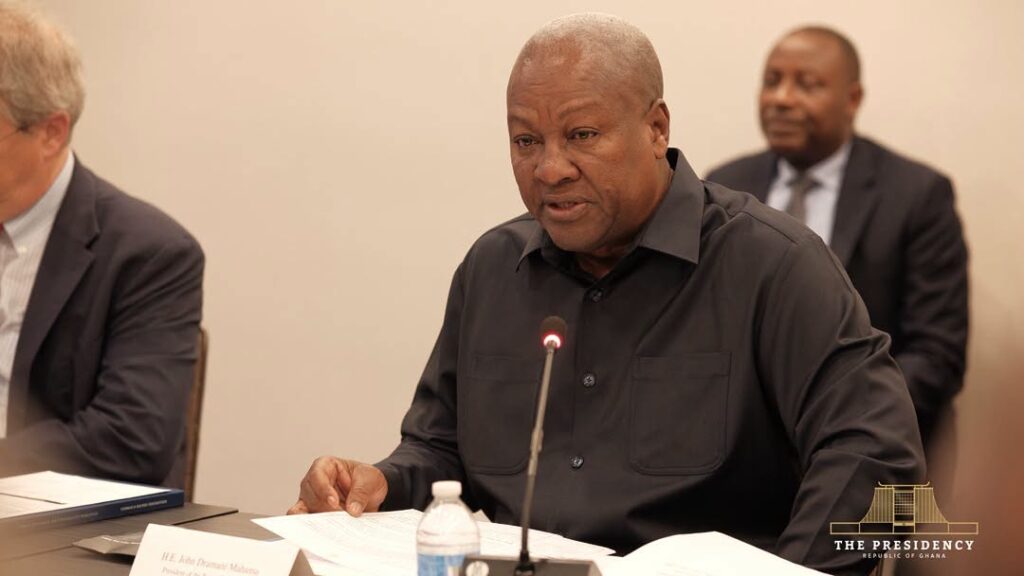
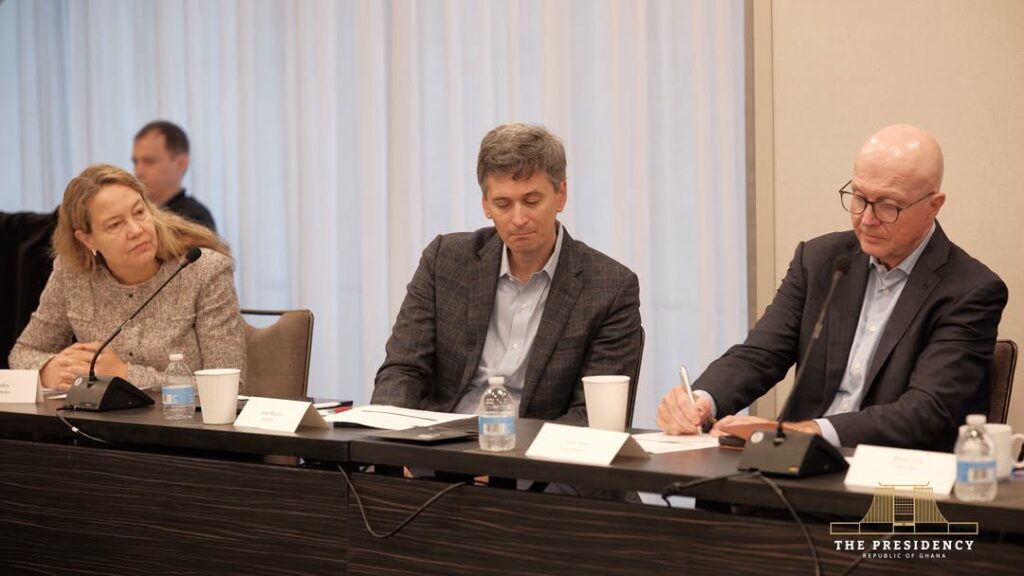
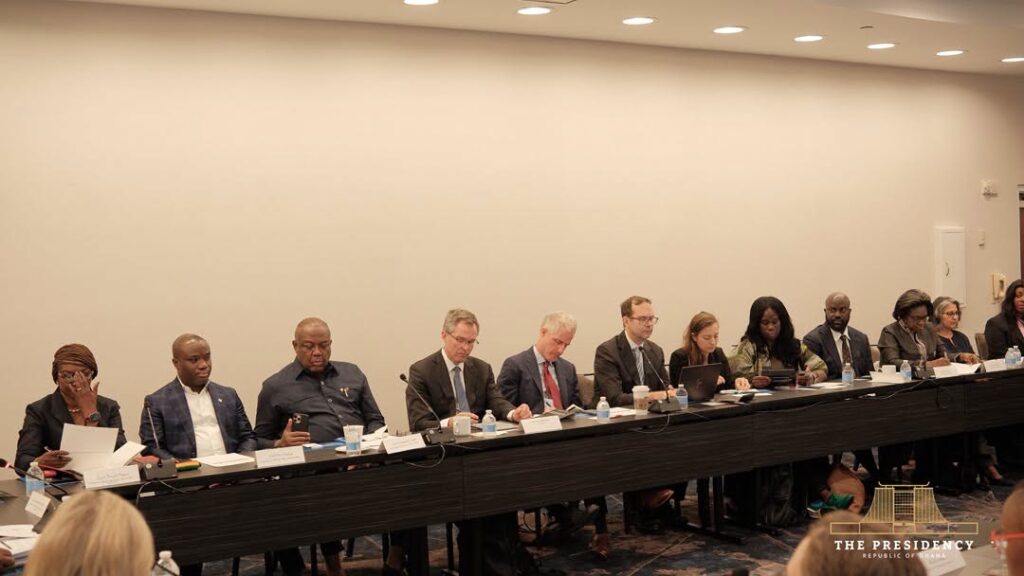
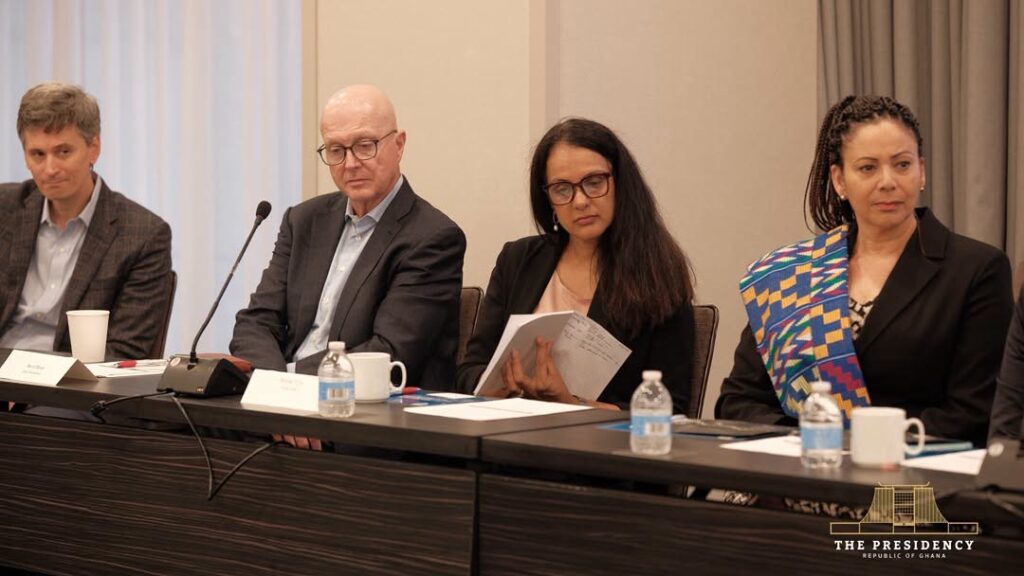
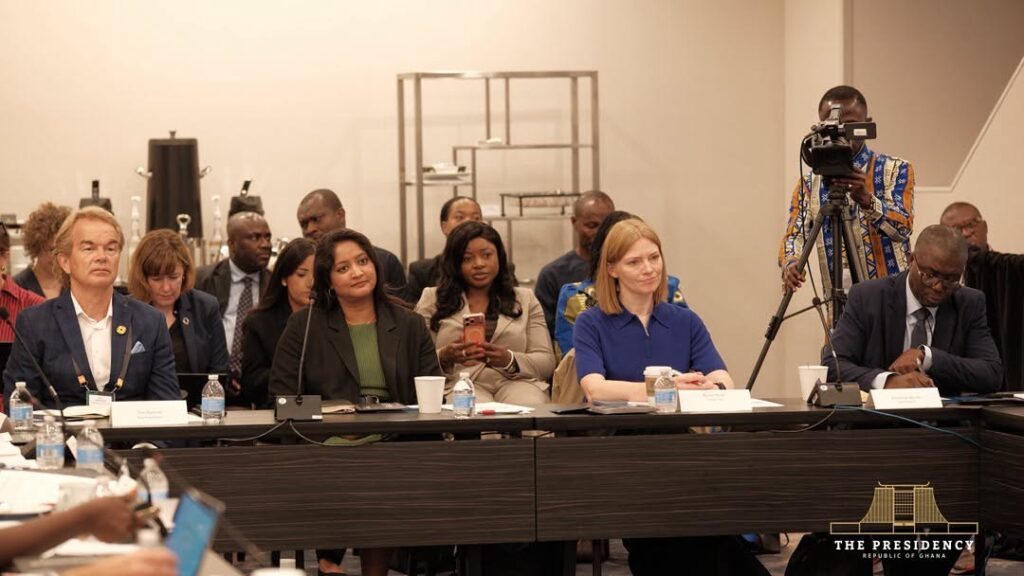
Speaking at a Presidential Roundtable organised by the Open Society Foundation in New York on Monday, September 21, on the sidelines of the 81st United Nations General Assembly, President Mahama said developing countries must build the capacity to determine and implement their own development priorities.
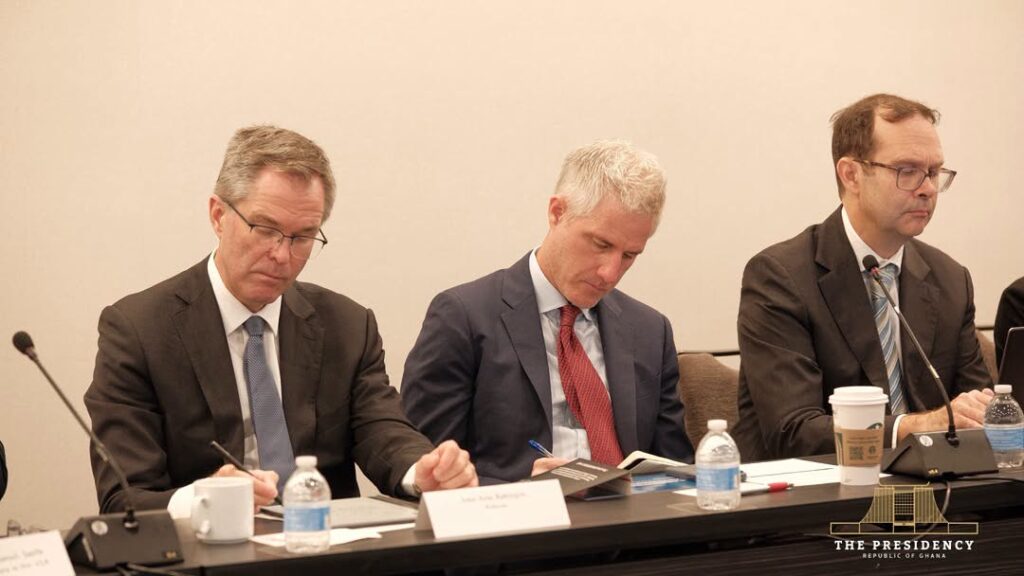
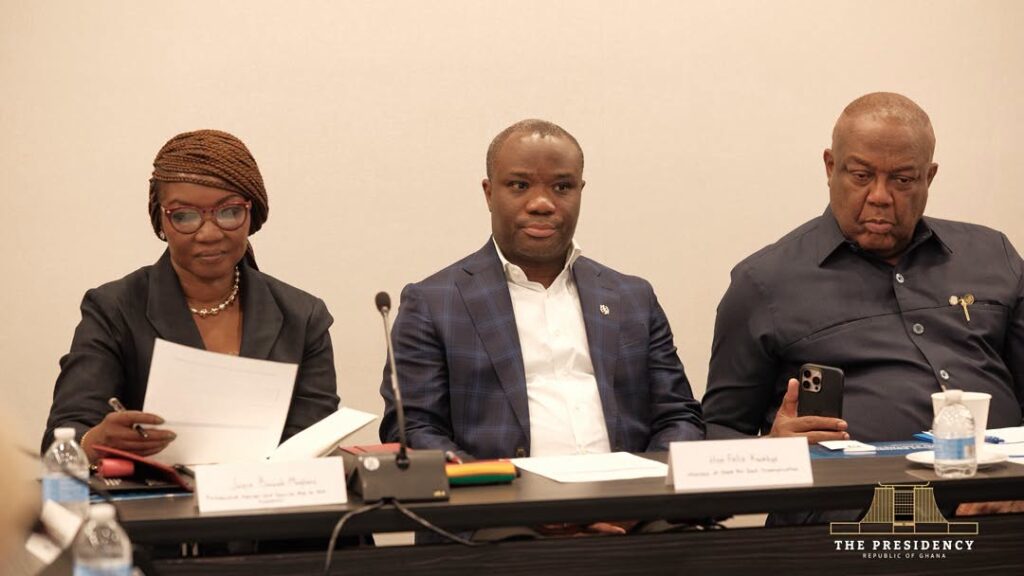
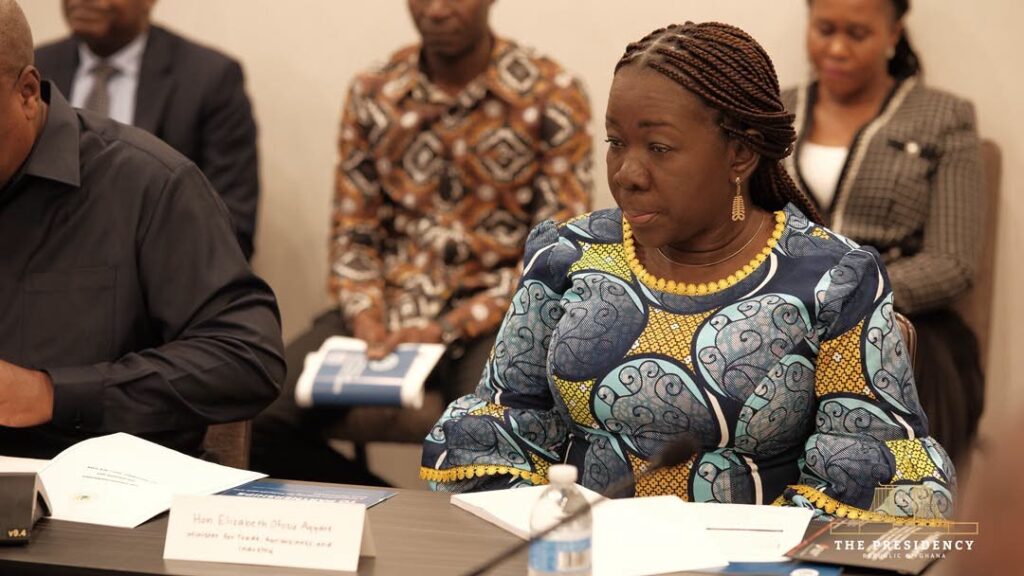
The high-level meeting brought together presidents and chief executives of major global foundations to discuss development financing, institutional strengthening and the future of international cooperation.
President Mahama placed particular emphasis on the practical meaning of national sovereignty.
“When I speak about sovereignty in this context, I am speaking about the capacity to act,” he said.
According to the President, countries need the ability to set their priorities, negotiate effectively, mobilise resources and follow through with development decisions, regardless of changes in the international environment.
He argued that this capacity is increasingly important as countries in the Global South face rising debt burdens and disruptions to traditional development financing.
President Mahama said the changing global environment should not distract governments from the fundamental needs of their citizens.
He identified job creation, improved public services, infrastructure development and expanded economic opportunities—particularly for young people—as priorities that must remain at the centre of national development strategies.
“In all the disruption and chaos are born new ideas and partnerships,” the President said, stressing that periods of uncertainty can also create opportunities for innovation and reform.
For Africa, he pointed to Agenda 2063 as an existing strategic framework for building productive economies, stronger institutions, deeper regional integration and greater opportunities for citizens.
President Mahama also acknowledged that Ghana and other African countries have internal work to do if they are to exercise greater ownership over their development.
He called for stronger coordination across government, better preparation of development programmes and projects, increased domestic revenue mobilisation and sound financial management.
He also stressed the importance of institutions that can demonstrate measurable results.
The President said governments should not work in isolation, arguing that civil society, businesses, universities and local communities can also contribute important expertise and capacity.
One of the key messages from the roundtable was a call for international development partners and philanthropic organisations to rethink how they support developing countries.
President Mahama urged international partners to move beyond short-term programmes and place greater emphasis on building national and local capacity.
He questioned whether international cooperation could do more to strengthen local systems when they meet the required standards, while maintaining accountability and reducing unnecessary duplication.
He also said philanthropic organisations have a particular opportunity to finance areas that may not immediately attract commercial investment, including institutional development, public goods, early-stage programmes and social priorities.
President Mahama argued that successful development initiatives should not remain isolated projects dependent on temporary funding.
Instead, he said successful approaches should eventually be incorporated into public institutions, local delivery systems and sustainable long-term financing arrangements.
“Where an approach proves successful, the next step should be its adoption into public systems, local delivery institutions, and long-term financing models,” he said.
That approach, he suggested, could help countries move from externally supported projects towards systems capable of sustaining development gains over the long term.
President Mahama’s remarks come at a time when African governments are facing difficult questions about how to finance development while managing debt and navigating changes in international support.
The central issue is therefore not simply how much external assistance Africa can attract, but how effectively countries can combine external partnerships with domestic resources, strong institutions and accountable public systems.
For Ghana, the challenge will be turning these principles into measurable outcomes: stronger public institutions, efficient use of domestic revenue, better project execution and economic opportunities that reach young people.
The President’s emphasis on institutional capacity also highlights an important distinction between funding a programme and building a system that can continue delivering after the funding ends.
The New York roundtable therefore placed Ghana’s development debate within a wider global conversation about how countries in the Global South can build greater capacity and resilience while remaining engaged with international partners.
President Mahama is in New York for the 81st UN General Assembly, where his engagements include discussions on the Accra Reset, reparatory justice and Africa’s role in the evolving global development order.
oin African360 WhatsApp Channel for more News update: https://whatsapp.com/channel/0029Vb7Oc6nGk1FpdCN0xn44