Physical Address
304 North Cardinal St.
Dorchester Center, MA 02124
Physical Address
304 North Cardinal St.
Dorchester Center, MA 02124
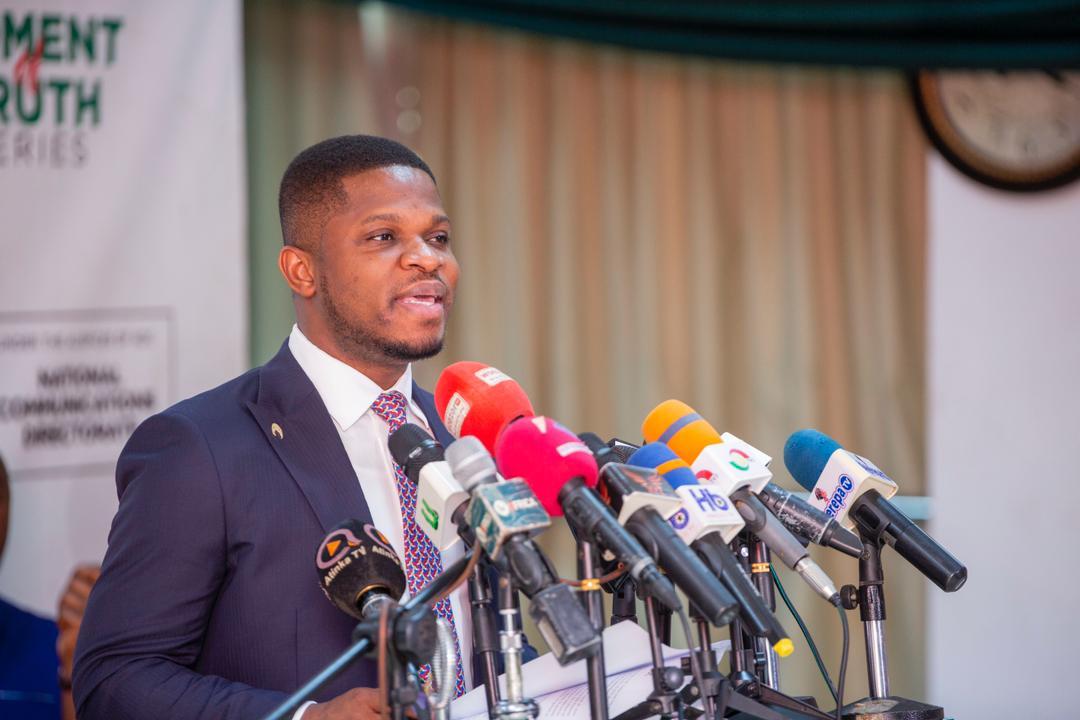
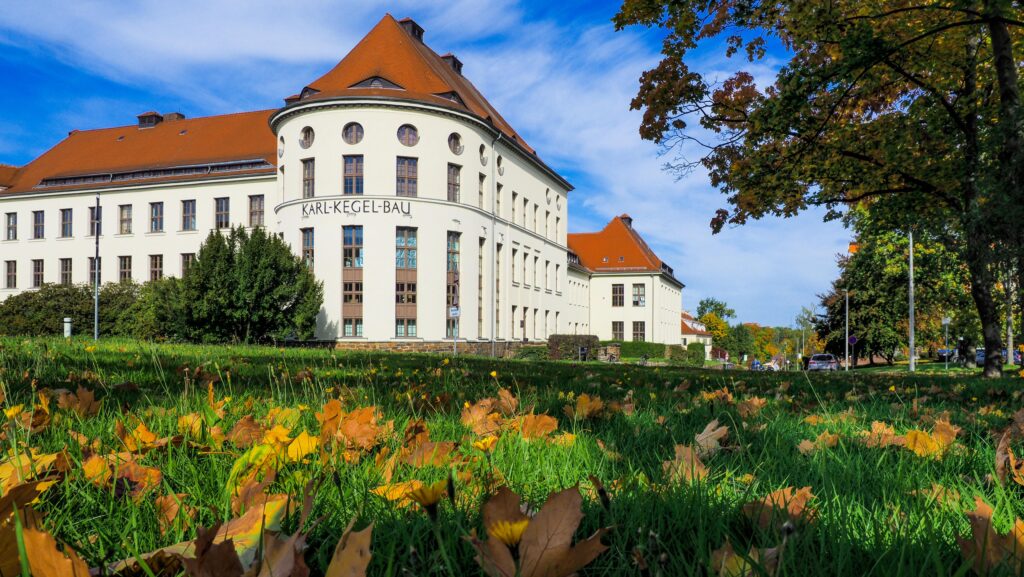
Germany’s TU Bergakademie Freiberg University of Mines is exploring a potential partnership with Ghana Gold Board (GoldBod) to promote more responsible, sustainable and technology-driven artisanal and small-scale mining in Ghana.
Ghana’s efforts to modernise its artisanal and small-scale mining (ASM) sector have received international attention following an engagement between TU Bergakademie Freiberg University of Mines in Germany and the Ghana Gold Board (GoldBod).
The discussions explored areas where German technical expertise, research and technology could support Ghana’s efforts to build a more responsible and sustainable small-scale mining industry.
Key areas discussed included youth skills development, technical training, environmental monitoring, responsible sourcing, gold traceability and the restoration of degraded mining lands.
The potential collaboration could provide opportunities for knowledge exchange and technical capacity-building within Ghana’s mining sector.
One of the key areas of discussion was the development of technical skills among young people involved in or interested in the mining industry.
With artisanal and small-scale mining providing livelihoods for many Ghanaians, improved training could help miners adopt safer, more efficient and environmentally responsible methods.
A partnership with a specialised mining institution such as TU Bergakademie Freiberg could potentially expose Ghanaian students, mining professionals and operators to modern technologies and international mining practices.
The discussions also point towards a broader focus on transforming mining from a largely extraction-based activity into one that creates stronger opportunities for skills development, technology transfer and local expertise.
Another major area of interest is responsible sourcing and traceability.
For Ghana, establishing effective systems that can trace gold from mining sites through the supply chain is important for improving transparency and demonstrating that gold entering international markets has been responsibly sourced.
Technical cooperation could support efforts to strengthen monitoring systems and improve the ability to identify the origins of gold.
Such systems can also help address concerns surrounding illegal mining and environmental degradation while improving confidence among international buyers and investors.
Environmental rehabilitation was also part of the discussions.
Artisanal and small-scale mining has contributed significantly to Ghana’s gold production and provides employment for communities, but poorly managed mining can leave behind degraded land, polluted water bodies and damaged ecosystems.
The potential partnership could therefore explore technical approaches to land restoration, environmental monitoring and rehabilitation of abandoned or degraded mining sites.
The focus on restoration is particularly relevant as Ghana continues to debate how to balance the economic importance of gold mining with environmental protection.
The engagement is part of a broader effort to position GoldBod beyond its role in Ghana’s gold trading and marketing ecosystem.
Collaboration with international institutions could give Ghana access to specialised knowledge, research and technologies that may support reforms within the mining sector.
It could also strengthen connections between Ghanaian mining institutions and international universities with expertise in mining engineering, mineral processing, environmental management and resource sustainability.
The discussions with TU Bergakademie Freiberg come at a time when Ghana is seeking new approaches to the management of its mineral resources.
For young people, the potential benefits extend beyond direct employment in mining.
Training in areas such as mining technology, environmental management, geological services, mineral processing, data systems and responsible sourcing could create new professional opportunities across the wider mining value chain.
The most important aspect of the proposed partnership may be what happens beyond the immediate gold trade.
Ghana has a long history of gold production, but the future of the sector increasingly depends on technology, skills, environmental responsibility and transparency.
If the discussions translate into concrete programmes, Ghanaian mining professionals and young people could gain access to specialised training and international expertise, while the country could strengthen its capacity to monitor mining activities and restore damaged landscapes.
The involvement of a leading mining university also creates the possibility of connecting academic research with practical challenges facing Ghana’s ASM sector.
For GoldBod, the challenge will be turning international engagements into measurable outcomes — including training programmes, improved traceability, stronger environmental monitoring and practical support for responsible miners.
The potential partnership therefore represents more than an exchange between a Ghanaian institution and a German university. It could become part of a broader conversation about how Ghana can build a more skilled, technologically advanced and environmentally responsible mining industry while ensuring that the country’s gold wealth creates wider opportunities for its people.
Join African360 WhatsApp Channel for more News update: https://whatsapp.com/channel/0029Vb7Oc6nGk1FpdCN0xn44